
[論文レビュー] HEAL-ViT: Vision Transformers on a spherical mesh for medium-range weather forecasting
HEAL-ViT は、中距離天気予報のための球面メッシュ上に Vision Transformers (ViT) を適用する新しいアーキテクチャを提案する。これは、グラフベースのモデルの空間均一性と ViT の効率的なアテンション機構を組み合わせるものであり、ECMWF IFS よりも優れた性能を達成する。バイアス蓄積やぼやけを低減し、運用用途に適した低い計算コストを維持している。
In recent years, a variety of ML architectures and techniques have seen success in producing skillful medium range weather forecasts. In particular, Vision Transformer (ViT)-based models (e.g. Pangu-Weather, FuXi) have shown strong performance, working nearly "out-of-the-box" by treating weather data as a multi-channel image on a rectilinear grid. While a rectilinear grid is appropriate for 2D images, weather data is inherently spherical and thus heavily distorted at the poles on a rectilinear grid, leading to disproportionate compute being used to model data near the poles. Graph-based methods (e.g. GraphCast) do not suffer from this problem, as they map the longitude-latitude grid to a spherical mesh, but are generally more memory intensive and tend to need more compute resources for training and inference. While spatially homogeneous, the spherical mesh does not lend itself readily to be modeled by ViT-based models that implicitly rely on the rectilinear grid structure. We present HEAL-ViT, a novel architecture that uses ViT models on a spherical mesh, thus benefiting from both the spatial homogeneity enjoyed by graph-based models and efficient attention-based mechanisms exploited by transformers. HEAL-ViT produces weather forecasts that outperform the ECMWF IFS on key metrics, and demonstrate better bias accumulation and blurring than other ML weather prediction models. Further, the lowered compute footprint of HEAL-ViT makes it attractive for operational use as well, where other models in addition to a 6-hourly prediction model may be needed to produce the full set of operational forecasts required.
研究の動機と目的
- 標準の Vision Transformers が天気予報の分野で使用する直交座標グリッドに内在する空間非均一性および極域歪みを是正すること。
- 空間的に均一な球面メッシュ表現の利点と、Vision Transformers が有する長距離アテンション機能を統合すること。
- GraphCast らのようなグラフベースのモデルと比較して、計算およびメモリのオーバーヘッドを低減し、実用的な運用デプロイメントを可能にすること。
- 特に小スケールの大気特徴においてバイアス蓄積やぼやけを最小限に抑えることで、予報品質を向上させること。
- 標準の ViT アーキテクチャを球面メッシュ上で使用可能にすることで、コンピュータビジョン分野の進展との統合を容易にすること。
提案手法
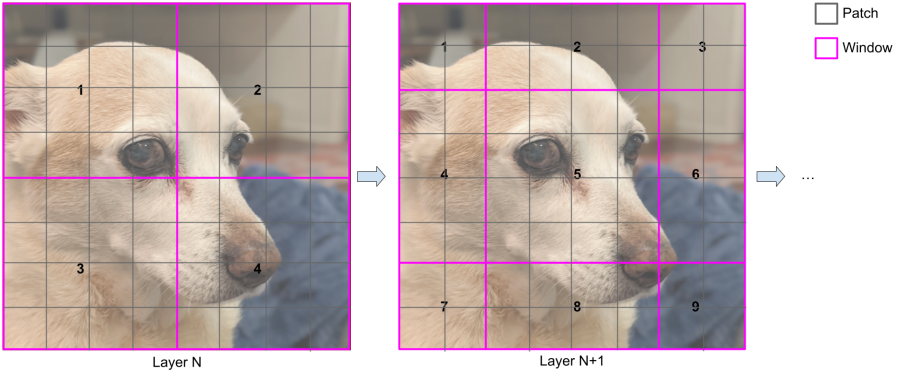
- SWIN Transformer アーキテクチャを直交座標グリッドではなく、HEALPix 球面メッシュ上で動作可能に改造する。
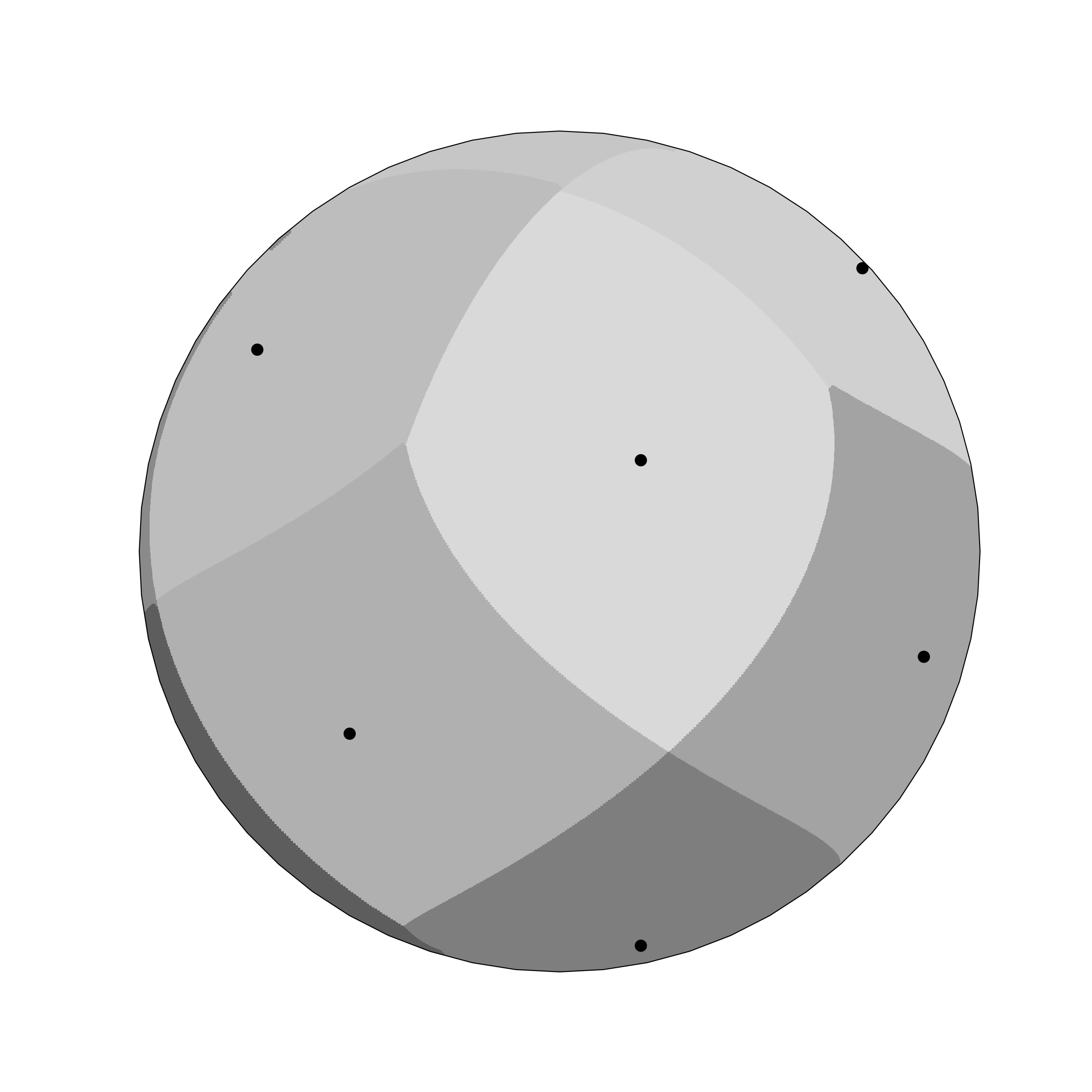
- 球面イコサヘドロンメッシュに、経度・緯度グリッドデータを均一なノード分布を持つ形でマッピングするためのグラフベースのエンコーダーを用いる。
- 球面メッシュ上で標準の Vision Transformer プロセッサを適用し、長距離の大気テレコネクションを効率的にモデル化する。
- 処理済みのメッシュを元の経度・緯度予報グリッドに戻すためのグラフベースのデコーダーを適用する。
- エンコーディングおよびデコーディングの過程で空間構造を保持するためのメッシュ・トゥ・グリッドアテンション機構を導入する。
- HEALPix メッシュの規則的なリング構造を活用し、局所的アテンションおよびコンテキスト窓メカニズムをサポートする。
実験結果
リサーチクエスチョン
- RQ1Vision Transformers は球面メッシュ上で効果的に適用可能であり、中距離天気予報の性能向上に寄与するか?
- RQ2空間的に均一な球面メッシュを用いることで、直交座標グリッドベースの ViT モデルと比較してバイアス蓄積やぼやけが低減されるか?
- RQ3球面メッシュ上で動作するにあたり、ViT ベースのモデルの計算効率を維持できるか。これにより運用デプロイメントが可能になるか?
- RQ4RMSE、バイアス、スペクトルエネルギー分布という観点から、HEAL-ViT の性能は ECMWF IFS や GraphCast といった最先端モデルと比較してどうなるか?
- RQ5エンコーダーおよびメッシュ構造の選定が、予報品質およびスペクトル忠実性にどの程度影響を与えるか?
主な発見
- HEAL-ViT は、複数の大気変数において RMSE の低減を示し、ECMWF IFS モデルを主要な予報品質指標で上回っている。
- 他の機械学習天気予測モデルと比較して、時間経過に伴うバイアス蓄積が顕著に低減されている。
- WS10 や Z500 において、特に小スケールの気象特徴がよりよく保持されていることを示す、より高いゾーナルエネルギースペクトルが得られており、予報のぼやけが少ないことが裏付けられている。
- 予報リードタイムにかかわらず、エネルギースペクトルが比較的一定に保たれているため、予報ダイナミクスが安定していると示唆される。これは、ERA5-IFS ベースラインと類似している。
- GraphCast らのようなグラフベースのモデルと比較して、メモリおよび計算コストの両方が低く抑えられており、複数の同時予報を要する運用環境に適している。
- エンコーダーが球面メッシュを用いることで、パッチベースのエンコーダー(例:FuXi)で見られるスペクトルスパイクが減少しており、グリッドからメッシュへの離散化に起因するアーティファクトが少ないことが示されている。
この論文を読む
Nubintのビューアで原文を開き、読みながら気になる箇所をすぐに質問できます。
Nubintでこの論文を読むこのレビューはAIが論文の原文をもとに作成しました。引用する前に原文をご確認ください。