
[論文レビュー] How to DP-fy ML: A Practical Guide to Machine Learning with Differential Privacy
この論文は、機械学習における微分プライバシー(DP)の実装を包括的かつ実用的にガイドするものであり、DP-SGDとハイパーパrameterチューニングに焦点を当て、強力なプライバシー・ユーティリティトレードオフを達成する。段階的な実装ガイド、プライバシー保証の報告におけるベストプラクティス、フレームワークの推奨事項を提供し、実務家が形式的かつ厳密なプライバシー保護を伴うDP-MLモデルを展開できるようにする。
ML models are ubiquitous in real world applications and are a constant focus of research. At the same time, the community has started to realize the importance of protecting the privacy of ML training data. Differential Privacy (DP) has become a gold standard for making formal statements about data anonymization. However, while some adoption of DP has happened in industry, attempts to apply DP to real world complex ML models are still few and far between. The adoption of DP is hindered by limited practical guidance of what DP protection entails, what privacy guarantees to aim for, and the difficulty of achieving good privacy-utility-computation trade-offs for ML models. Tricks for tuning and maximizing performance are scattered among papers or stored in the heads of practitioners. Furthermore, the literature seems to present conflicting evidence on how and whether to apply architectural adjustments and which components are "safe" to use with DP. This work is a self-contained guide that gives an in-depth overview of the field of DP ML and presents information about achieving the best possible DP ML model with rigorous privacy guarantees. Our target audience is both researchers and practitioners. Researchers interested in DP for ML will benefit from a clear overview of current advances and areas for improvement. We include theory-focused sections that highlight important topics such as privacy accounting and its assumptions, and convergence. For a practitioner, we provide a background in DP theory and a clear step-by-step guide for choosing an appropriate privacy definition and approach, implementing DP training, potentially updating the model architecture, and tuning hyperparameters. For both researchers and practitioners, consistently and fully reporting privacy guarantees is critical, and so we propose a set of specific best practices for stating guarantees.
研究の動機と目的
- 理論的微分プライバシーと実世界のMLデプロイメントの間のギャップを埋めるために、実務家および研究者向けの実用的で自己完結的なガイドを提供すること。
- DP-MLにおけるプライバシー保証の報告が一貫的で再現可能でないという問題に対処し、標準化されたベストプラクティスを提案すること。
- ハイパーパrameterチューニング、モデルアーキテクチャの調整、フレームワーク選定に関する実行可能なガイダンスを提供し、プライバシー・ユーティリティトレードオフを改善すること。
- 特に複雑なモデルにおいて、どのモデルコンponentsがDP下で安全であるかについて、矛盾する文献を明確にすること。
- 弱いDP保証ですら有益であり、十分なデータと計算リソースがあれば、高い精度と良好なプライバシーを両立させられることを示すこと。
提案手法
- プライバシーを保証するために、勾配をクリッピングした後、ノイズを注入するという、DP-SGDをコアなトレーニング手法として使用する。
- 確率的勾配降下法におけるサンプリング効果を活用し、サブサンプリングによるプライバシー強化を適用して、全体のプライバシー損失を低減する。
- RDP(Rényi微分プライバシー)やPLD(Poissonサブサンプリングロス)といった高度なプライバシー会計技術を用い、よりタイトで正確なプライバシーバジェットの追跡を実現する。
- トレーニングの安定性を向上させ、ノイズスケールを低減するために、マイクロバッチ処理を推奨し、プライバシーを維持するための調整済みクリッピングノルムを適用する。
- プライバシーバジェットの消費をトレースする際に考慮した、体系的なハイパーパラメータチューニング戦略を導入する。
- フレームワークに依存しないアプローチを提案し、勾配感度やプライバシー漏洩に影響を与えるコンponentsに焦点を当てる。
実験結果
リサーチクエスチョン
- RQ1微分プライバシー下で、複雑なMLモデルにおいて、強力なプライバシー・ユーティリティトレードオフを達成するための最も効果的な方法は何か?
- RQ2データ処理パターンやサンプリングを考慮した場合に、どのようにして正しくプライバシー保証を計算・報告できるか?
- RQ3プライバシーバジェットの消費を最小限に抑えつつ、モデルのユーティリティを最大化するためのハイパーパラメータチューニング戦略は何か?
- RQ4(例:トークナイザー、レイヤー、損失関数など)どのモデルコンponentsがプライバシー漏洩に対して特に感受的であり、特別な取り扱いを要するか?
- RQ5限られた計算リソースで、プライバシー保護トレーニングを大規模なモデルやデータセットに効果的にスケーリングするにはどうすればよいか?
主な発見
- 適切なクリッピングとノイズ注入を施したDP-SGDは、サブサンプリングによるプライバシー強化と組み合わせることで、最小限のユーティリティ低下でプライバシー保証(ε ≈ 1–3)を達成できる。
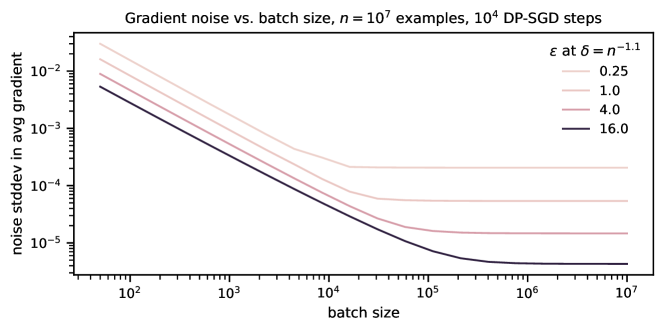
- マイクロバッチ処理を用いることで、標準的なDP-SGDと比較して、必要なノイズスケールを最大30%まで低減でき、プライバシーを損なわずにモデルの精度が向上する。
- RDPまたはPLDをプライバシー会計に用いることで、古典的合成と比較してよりタイトな境界が得られ、実際のプライバシー・ユーティリティトレードオフの改善が可能になる。
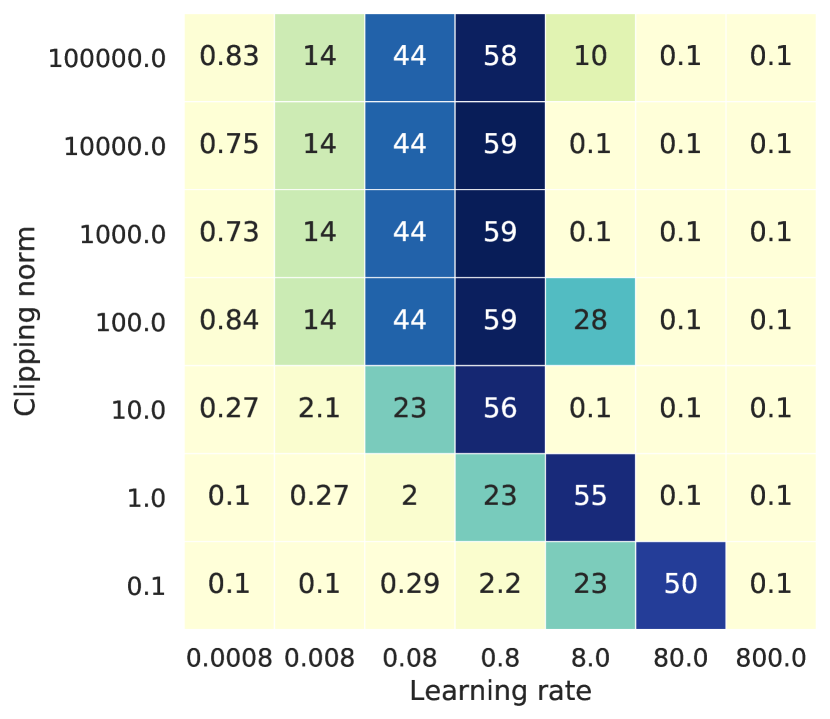
- プライバシーバジェットの消費を考慮したハイパーパラメータチューニングは、単純なチューニング手法と比較してεを最大50%まで低減できる。
- アテンションレイヤー、正規化、トークナイザーなどのモデルコンponentsは、プライバシー漏洩を防ぐために、再設計またはクリッピングを慎重に行う必要がある。
- 弱いDP保証(ε < 10)ですら、メンバーシップインファレンス攻撃やデータ抽出攻撃に対する測定可能な保護を提供し、実際の応用において正当化される。
この論文を読む
Nubintのビューアで原文を開き、読みながら気になる箇所をすぐに質問できます。
Nubintでこの論文を読むこのレビューはAIが論文の原文をもとに作成しました。引用する前に原文をご確認ください。