
[論文レビュー] Introduction to Transformers: an NLP Perspective
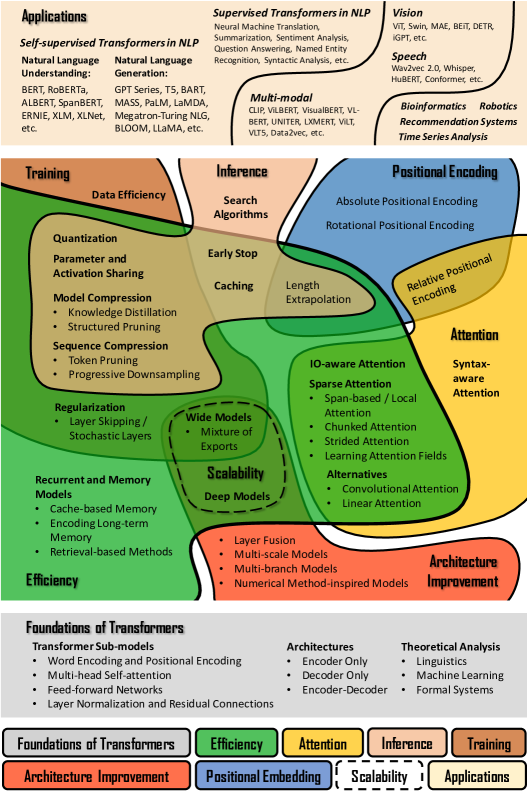
この論文は基本的な Transformer アーキテクチャ、主要な改良点、および応用を紹介し、NLP の観点から Transformer モデルの中核的アイデア、長所、制限を要約している。
Transformers have dominated empirical machine learning models of natural language processing. In this paper, we introduce basic concepts of Transformers and present key techniques that form the recent advances of these models. This includes a description of the standard Transformer architecture, a series of model refinements, and common applications. Given that Transformers and related deep learning techniques might be evolving in ways we have never seen, we cannot dive into all the model details or cover all the technical areas. Instead, we focus on just those concepts that are helpful for gaining a good understanding of Transformers and their variants. We also summarize the key ideas that impact this field, thereby yielding some insights into the strengths and limitations of these models.
研究の動機と目的
- 標準的な Transformer のエンコーダ-デコーダアーキテクチャとそのサブレイヤ(自己注意、FFN、レイヤー正規化)および位置エンコーディングがどのように用いられるかを説明する。
- NLP タスクにおける効率性、スケーラビリティ、および性能を改善する主要な改良点とバリアントを調査する。
- 言語モデリング、テキストエンコーディング、翻訳、マルチモーダルモデルなどの代表的な応用と実用的トレードオフを要約する。
提案手法
- 自己注意、FFN、クロス注意の等式を用いて、Transformer アーキテクチャとそのサブレイヤを説明する。
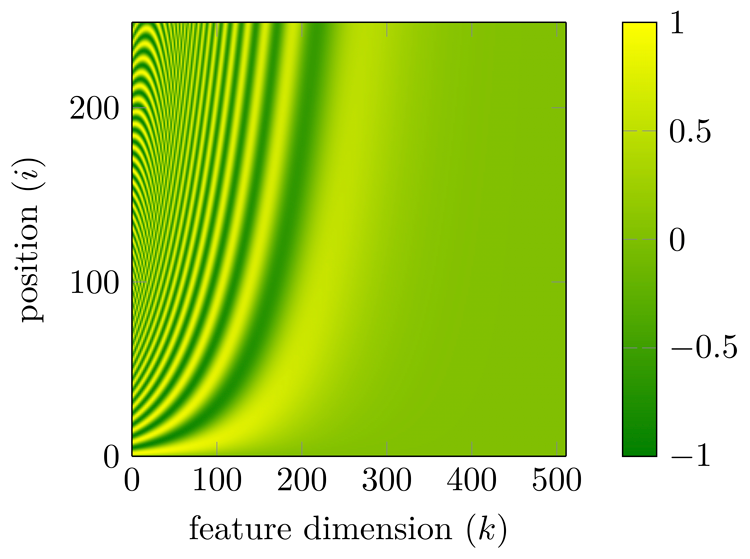
- 正弦波的絶対エンコーディングを含む位置エンコーディングと、それらが入力表現において果たす役割を説明する。
- マルチヘッド注意、QKV 形式化、および複数ヘッドの合理性を紹介する。
- 訓練/推論のワークフローとポストノルム対プリアクノルムの残差構造を検討する。
- エンコーダ/デコーダモジュールのパラメータ数と時間計算量の表を提示し、効率性の検討を示す。
実験結果
リサーチクエスチョン
- RQ1コアとなる Transformer のエンコーダ-デコーダアーキテクチャは何であり、その主要なサブレイヤはどのように計算されるのか?
- RQ2位置エンコーディングは Transformer におけるシーケンス順序付けをどのように可能にするのか?
- RQ3NLP システムにおける Transformer コンポーネントの実用的な効率性の考慮事項(パラメータ数、時間計算量)は何か?
- RQ4異なる NLP タスクのために Transformer モデルを改善したバリアントと改良点は何か?
- RQ5調査で説明されている Transformer ベースのモデルの典型的な応用と制限は何か?
主な発見
- Transformer のエンコーダとデコーダは、自己注意とフィードフォワードネットワークを積み重ねた層を使用し、レイヤー正規化と残差接続を伴う。
- マルチヘッド注意(QKV)は複数の部分空間からの学習を可能にし、グローバルコンテキストのモデリングを改善する。
- 正弦波的位置エンコーディングは埋め込みに絶対位置情報を提供し、シーケンスモデリングを補助する。
- プレノルムとポストノルムのアーキテクチャは、最適化と表現学習においてトレードオフがある。
- より大きな隠れサイズを持つ FFN(例: dffn ~ 4d)は実務的な性能を向上させるが、パラメータ数を増加させる。
- 要約されたパラメータ/時間計算量の表は、エンコーダとデコーダのモジュール全体で計算ボトルネックがどこにあるかを示す。
この論文を読む
Nubintのビューアで原文を開き、読みながら気になる箇所をすぐに質問できます。
Nubintでこの論文を読むこのレビューはAIが論文の原文をもとに作成しました。引用する前に原文をご確認ください。