
[論文レビュー] Loss Functions and Metrics in Deep Learning
回帰、分類、物体検出、セグメンテーション、顔認識、画像生成などの一般的な深層学習タスクにおける損失関数と性能指標の包括的な調査で、それらの性質、利点、制限、および典型的な使用ケースを詳述する。
This paper presents a comprehensive review of loss functions and performance metrics in deep learning, highlighting key developments and practical insights across diverse application areas. We begin by outlining fundamental considerations in classic tasks such as regression and classification, then extend our analysis to specialized domains like computer vision and natural language processing including retrieval-augmented generation. In each setting, we systematically examine how different loss functions and evaluation metrics can be paired to address task-specific challenges such as class imbalance, outliers, and sequence-level optimization. Key contributions of this work include: (1) a unified framework for understanding how losses and metrics align with different learning objectives, (2) an in-depth discussion of multi-loss setups that balance competing goals, and (3) new insights into specialized metrics used to evaluate modern applications like retrieval-augmented generation, where faithfulness and context relevance are pivotal. Along the way, we highlight best practices for selecting or combining losses and metrics based on empirical behaviors and domain constraints. Finally, we identify open problems and promising directions, including the automation of loss-function search and the development of robust, interpretable evaluation measures for increasingly complex deep learning tasks. Our review aims to equip researchers and practitioners with clearer guidance in designing effective training pipelines and reliable model assessments for a wide spectrum of real-world applications.
研究の動機と目的
- 深層学習モデルの訓練と評価における損失関数と性能指標の役割を説明する。
- 主要なタスクにおける一般的な損失関数と指標を列挙・比較する。
- 適切な損失関数と指標を選択する際の長所・限界・実用上の考慮事項を強調する。
提案手法
- 回帰、分類、物体検出、セグメンテーション、顔認識、画像生成に広く用いられる損失関数を系統的に検討する。
- 数学的定義、性質(凸性、微分可能性、ロバスト性等)および典型的な適用例を要約する。
- 実践的に各損失関数と指標をいつ用いるべきかの比較ガイダンスを提供する。
実験結果
リサーチクエスチョン
- RQ1主要な深層学習タスクで最も普及している損失関数と性能指標は何か?
- RQ2損失関数の性質(例: 凸性、微分可能性、ロバスト性)がさまざまな問題への適用性にどう影響するか?
- RQ3回帰、分類、物体検出、セグメンテーション、生成タスクの適切な損失と指標を選択する際、実務家への指針は何か?
- RQ4一般的な損失関数と評価指標に関連する制限とトレードオフは何か?
- RQ5損失関数と指標は訓練目的とモデル評価でどのように異なるか?
主な発見
- 回帰、分類、物体検出、セグメンテーション、顔認識、画像生成の損失と指標の包括的な分類を提供する。
- 訓練に用いられる損失関数と評価に用いられる指標の区別を明確にする。
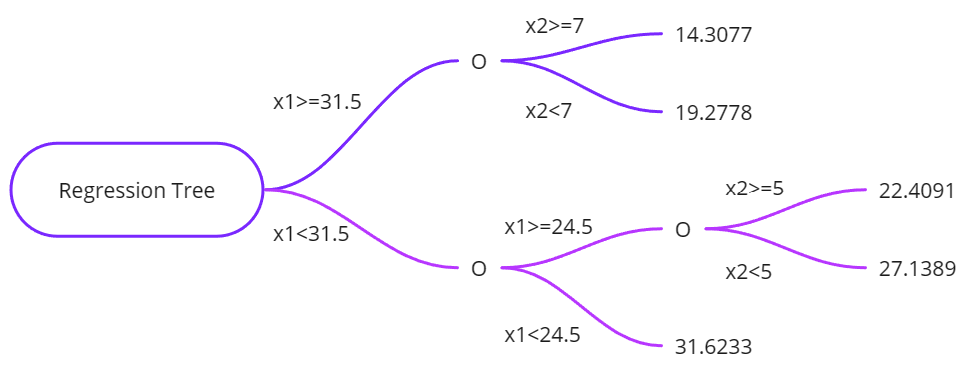
- 主要な損失の主要な性質とトレードオフを概説する(例: MSE、MAE、Huber、交差エントロピー、 focal loss、IoUベースの損失、Dice/Tversky、PSNR/SSIM/FID など)。
- Poisson回帰、分位点回帰、カウントデータのPoisson損失など、タスク別の専門的損失の議論を含む。
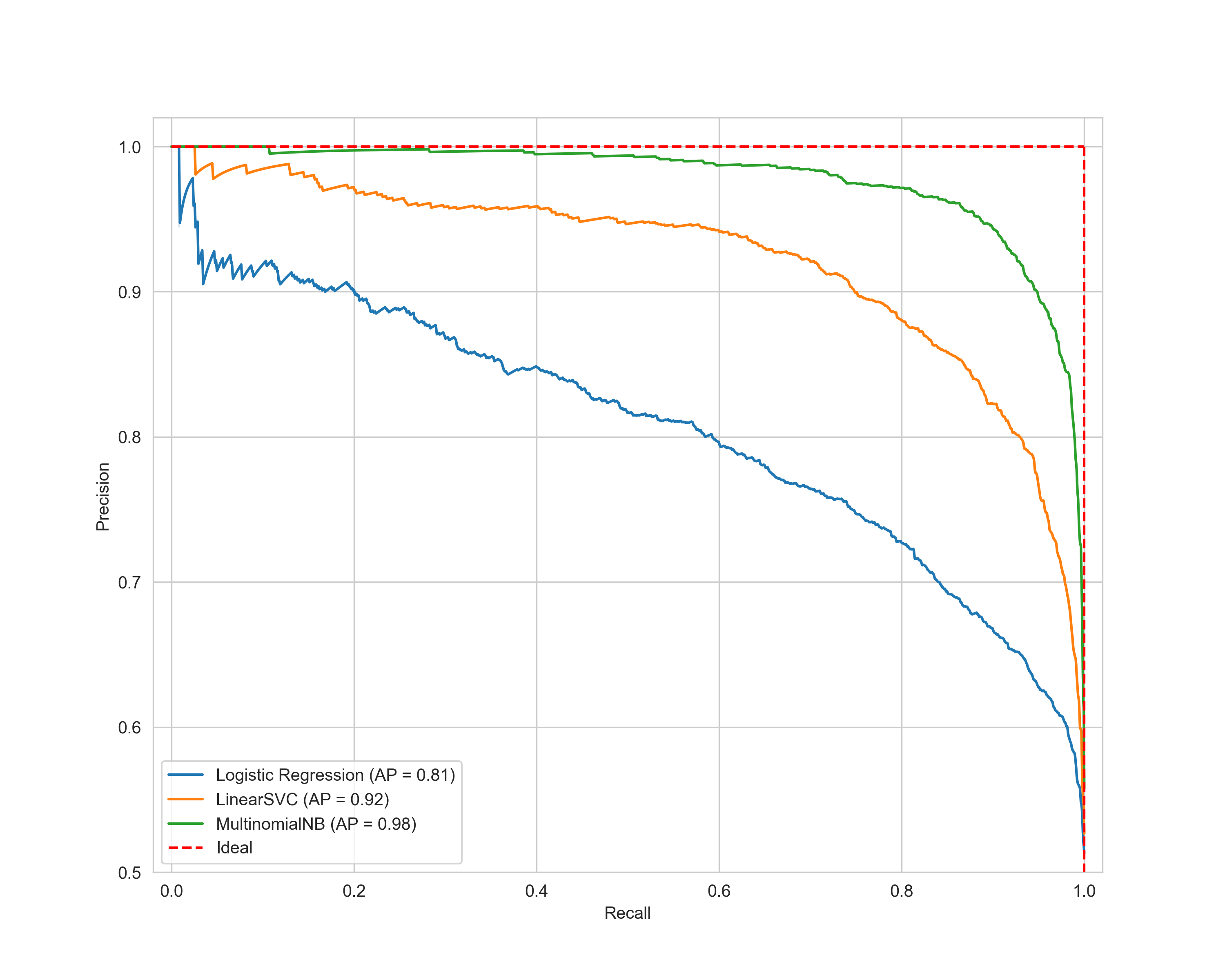
- 広く用いられる評価指標(RMSE、MAPE、SMAPE、R²、精度、適合率、再現率、AUC-ROC、AP、AR、PQ など)とそれらの適用性と限界を要約する。
この論文を読む
Nubintのビューアで原文を開き、読みながら気になる箇所をすぐに質問できます。
Nubintでこの論文を読むこのレビューはAIが論文の原文をもとに作成しました。引用する前に原文をご確認ください。