
[論文レビュー] Machine Learning-Driven Open-Source Framework for Assessing QoE in Multimedia Networks
本論文は、ネットワークパラメータを入力として用いることで、マルチメディアネットワークにおけるリアルタイムな品質体験(QoE)予測を実現するオープンソースで機械学習駆動のフレームワークを提案する。20,000件を超えるデータレコードを用いた学習により、ランダムフォレストモデルは平均評価得点(MOS)の予測で95.8%の正確性を達成し、運用者が最小限のコストでユーザー満足度を最適化するリソース割り当てを動的に実施できるようになった。
The Internet is integral to modern life, influencing communication, business, and lifestyles globally. As dependence on Internet services grows, the demand for high-quality service delivery increases. Service providers must maintain high standards of quality of service and quality of experience (QoE) to ensure user satisfaction. QoE, which reflects user satisfaction with service quality, is a key metric for multimedia services, yet it is challenging to measure due to its subjective nature and the complexities of real-time feedback. This paper introduces a machine learning-based framework for objectively assessing QoE in multimedia networks. The open-source framework complies with the ITU-T P.1203 standard. It automates data collection and user satisfaction prediction using key network parameters such as delay, jitter, packet loss, bitrate, and throughput. Using a dataset of over 20,000 records from various network conditions, the Random Forest model predicts the mean opinion score with 95.8% accuracy. Our framework addresses the limitations of existing QoE models by integrating real-time data collection, machine learning predictions, and adherence to international standards. This approach enhances QoE evaluation accuracy and allows dynamic network resource management, optimizing performance and cost-efficiency. Its open-source nature encourages adaptation and extension for various multimedia services. The findings significantly affect the telecommunications industry in managing and optimizing multimedia services. The network centric QoE prediction of the framework offers a scalable solution to improve user satisfaction without the need for content-specific data. Future enhancements could include advanced machine learning models and broader applicability to digital services. This research contributes a practical, standardized tool for QoE assessment across diverse networks and platforms.
研究の動機と目的
- マルチメディアサービスにおける品質体験(QoE)の評価と予測を実用的かつオープンソースで行うフレームワークの開発。
- ユーザー中心のQoEを正確に測定する課題に取り組む。これは複雑であり、正確なリアルタイムフィードバックモデルが不足している。
- 実世界のネットワークおよびユーザーのデータに基づく機械学習を活用することで、客観的なQoS指標と主観的なユーザー満足度のギャップを埋める。
- ネットワーク運用者が予測されたユーザー満足度に基づいてリソースを動的に割り当てることを可能にし、最小限のコストでサービス品質を向上させる。
提案手法
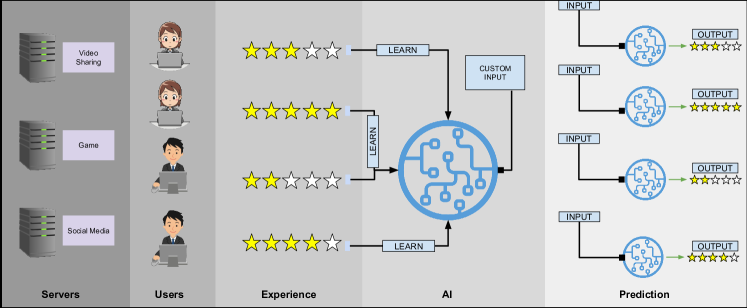
- フレームワークは、多様なネットワーク状態から20,000件を超えるデータレコードを収集し、遅延、ジタ、パケット損失、ビットレート、スループットといった主要なネットワークパラメータを記録する。
- ユーザーのQoEは、ITUT P.1203基準を用いて定量化され、モデルの学習のための真値として平均評価得点(MOS)が計算される。
- ネットワークパラメータを特徴量、MOSを目的変数として、教師あり機械学習パイプラインを実装する。
- R²および正確性の指標を用いて、ランダムフォレスト、XGBoost、ニューラルネットワークなどの複数のモデルを学習・評価した。
- ランダムフォレストモデルが、高いR²(0.958)とネットワーク入力からのMOS予測における頑健性の高さから最適とされた。
- フレームワークは、将来のフェデレーテッドラーニングとの統合をサポートしており、プライバシーを守りながらユーザー端末上で分散型のモデル学習を可能にする。
実験結果
リサーチクエスチョン
- RQ1ネットワークレベルのパラメータのみを用いて、機械学習モデルはマルチメディアサービスにおけるユーザーが感じ取る品質体験(QoE)を正確に予測できるか?
- RQ2ITU-T P.1203基準から導出されたMOSスコアを予測する際、どの機械学習アルゴリズムが最も高い正確性を達成するか?
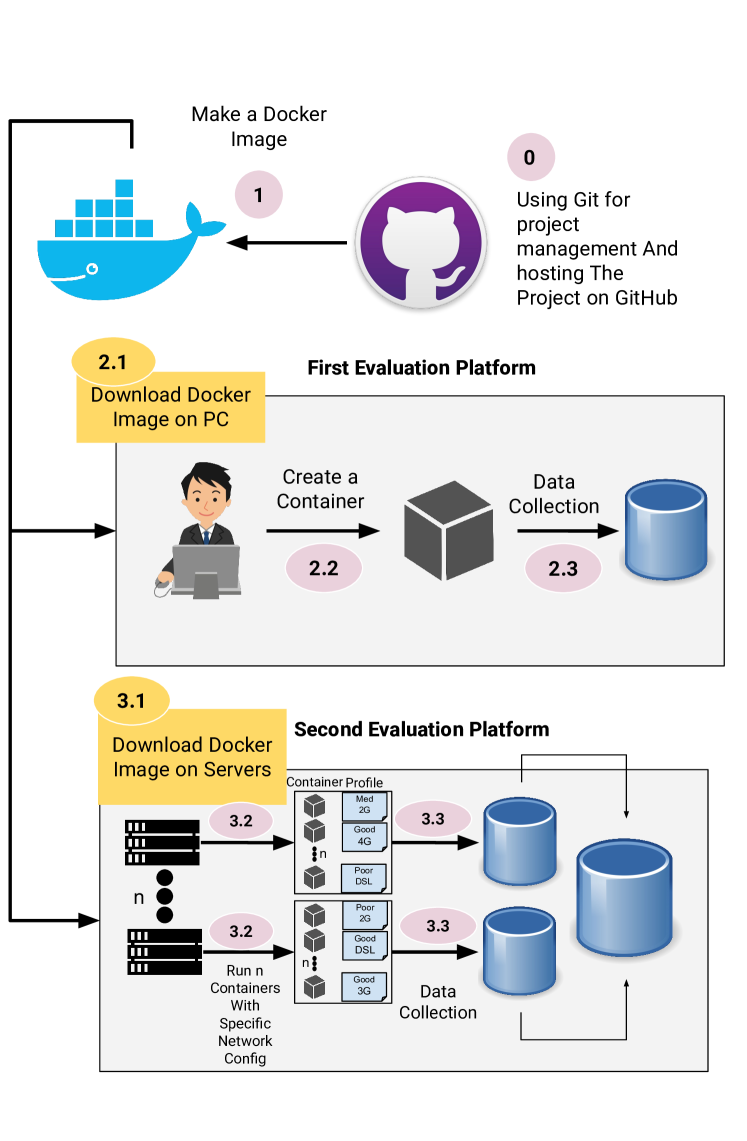
- RQ3リアルタイムでのQoEモニタリングと動的ネットワークリソース最適化を可能にするスケーラブルでオープンソースのフレームワークをどのように設計できるか?
- RQ4ストリーミングサービスにおけるユーザーが感じ取る動画品質に最も顕著に影響を与えるネットワークパラメータは何か?
主な発見
- ランダムフォレストモデルは、R²が0.958に達し、予測されたMOS値と実際のMOS値との間に強い相関関係があることを示した。
- モデルは遅延、ジタ、パケット損失、ビットレート、スループットの5つのネットワークパラメータのみを用いて、95.8%の正確性でユーザー満足度を予測した。
- フレームワークによりリアルタイムでのQoE推定が可能となり、ネットワーク運用者が予測されたユーザー満足度に基づいてリソース割り当てを事前に最適化できるようになった。
- 本研究では、客観的なQoS指標と主観的なQoEの間の複雑な関係を機械学習が効果的にモデル化できることを示した。
- フレームワークのオープンソース性により、拡張性が確保され、プライバシーを守るモデル更新のためのフェデレーテッドラーニング統合も可能である。
- 今後の向上策として、ディープラーニング、強化学習、およびマルチモーダルフィードバック(例:顔の表情)の統合が、さらなる正確性向上のための有望な方向性であると同定された。
この論文を読む
Nubintのビューアで原文を開き、読みながら気になる箇所をすぐに質問できます。
Nubintでこの論文を読むこのレビューはAIが論文の原文をもとに作成しました。引用する前に原文をご確認ください。