
[論文レビュー] Metadetection Weak Lensing for the Vera C. Rubin Observatory
本論文は、Vera C. Rubin観測所のLSST向けに、ノイズ、PSFの変動、宇宙線、不良コラム、過飽和星を含むLSSTのデータ製品の現実的なシミュレーションを用いた、メタ検出に基づく弱引力レンズの歪み測定アルゴリズムを提示する。この手法は、現実的な画像条件下で0.1%未塔の歪み精度を達成し、適切なノイズモデル化と合成手順を組み合わせることで、一般的な観測アーティファクトに対して頑健であることを示している。
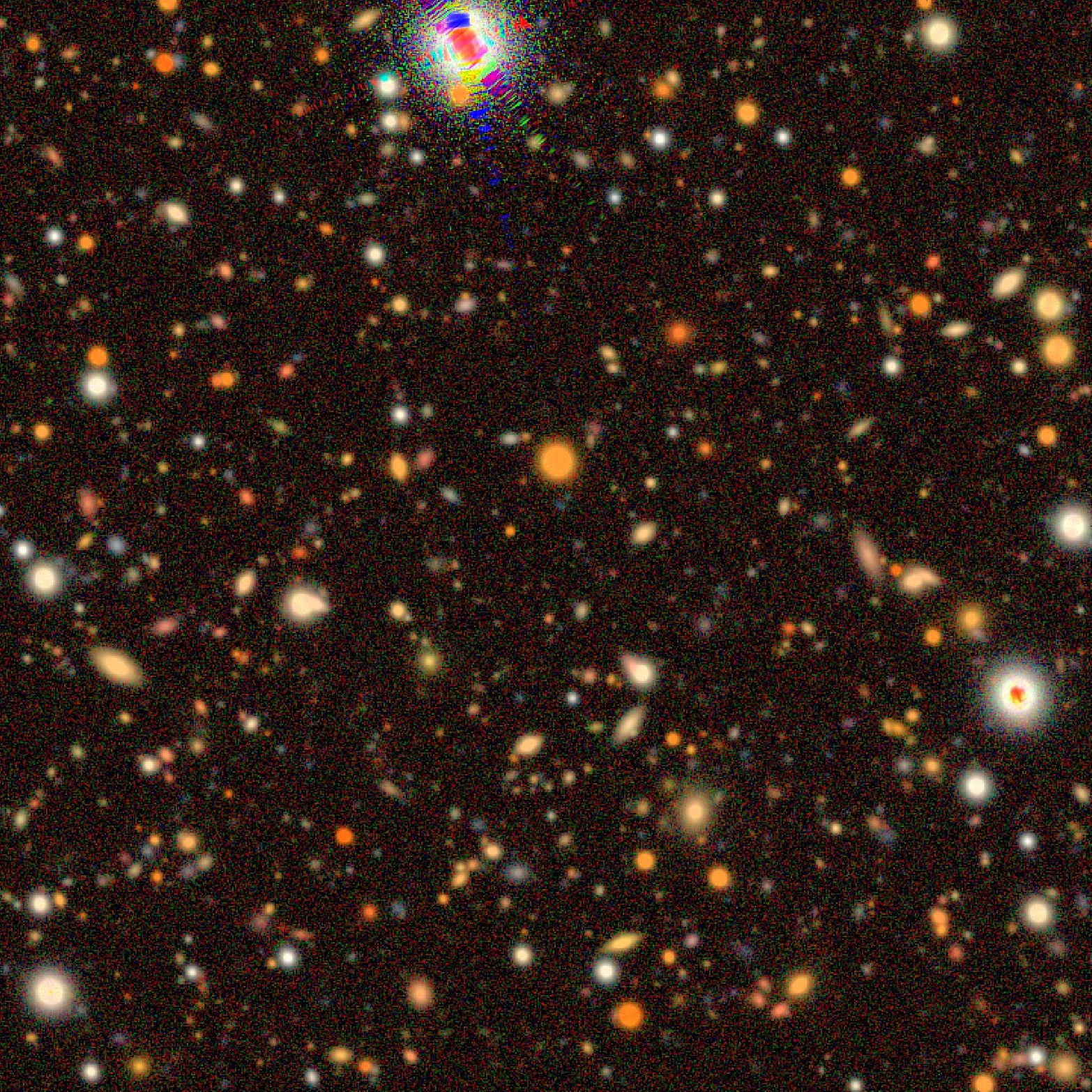
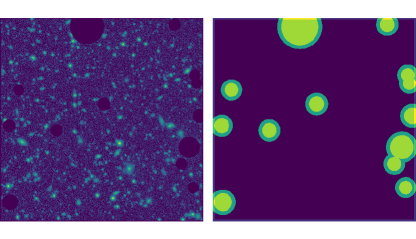
Forthcoming astronomical imaging surveys will use weak gravitational lensing shear as a primary probe to study dark energy, with accuracy requirements at the 0.1% level. We present an implementation of the Metadetection shear measurement algorithm for use with the Vera C. Rubin Observatory Legacy Survey of Space and Time (LSST). This new code works with the data products produced by the LSST Science Pipelines, and uses the pipeline algorithms when possible. We tested the code using a new set of simulations designed to mimic LSST imaging data. The simulated images contained semi-realistic galaxies, stars with representative distributions of magnitudes and galactic spatial density, cosmic rays, bad CCD columns and spatially variable point spread functions. Bright stars were saturated and simulated ``bleed trails'' were drawn. Problem areas were interpolated, and the images were coadded into small cells, excluding images not fully covering the cell to guarantee a continuous point spread function. In all our tests the measured shear was accurate within the LSST requirements.
研究の動機と目的
- LSST Science Pipelinesのデータ構造およびワークフローと互換性のある歪み測定アルゴリズムの開発。
- ノイズ、PSFの変動、および宇宙線や過飽和星などの一般的なアーティファクトを含む現実的な画像条件下でのメタ検出の精度のテスト。
- 空間相関のあるノイズを伴う合成済み、歪み加工済み、補間処理済み画像に適用した場合に、メタ検出がバイアスを生じないかの検証。
- 入力データがよく特徴づけられている場合、複雑な画像特徴が存在しても正確な歪み回復が可能であることを示すこと。
- 将来の共同キャリブレーションの支援として、歪みバイアスと赤方偏移分布をターゲットシミュレーションを用いて同時にキャリブレートすること。
提案手法
- 著者らは、GALSIMおよびdescwl-shear-simsパッケージを用いて、銀河、星、宇宙線、不良CCDコラム、過飽和星を含む現実的なLSST露光画像をシミュレートする。
- 過飽和や不良コラムなどの画像アーティファクトは、画像の整合性を保つためにLSST Science Pipelinesのワープおよび合成ツールを用いてマスクされ、補間される。
- ノイズ分散画像は保持され、ワープおよび合成の過程で一貫して変換され、統計的対称性が保たれ、歪みバイアスが生じないよう配慮される。
- メタ検出アルゴリズムは、パイプラインのPSFモデルおよびノイズ推定値を用いて、合成画像セルに適用され、0.1%未塔の精度で歪みが計算される。
- 歪み回復の妥当性は、複数のシミュレーション設定において検証され、画像特徴の独立的スイッチングにより誤差要因を隔離する。
- ノイズの代表的伝搬は、画像処理ステップ全体を通じて行われ、Sheldon & Huff (2017)およびBecker et al. (in prep.)の手順に従い、ノイズ対称性を回復する。
実験結果
リサーチクエスチョン
- RQ1メタ検出は、宇宙線、不良コラム、過飽和星などの現実的なLSST画像アーティファクトが存在する状況でも、0.1%未塔の歪み精度を達成できるか?
- RQ2空間相関のあるノイズが導入された場合、画像の合成およびワープ処理が歪み測定バイアスに与える影響はいかほどか?
- RQ3現実的なPSFの変動と問題のあるピクセルのマスキングが行われたデータに適用した場合、メタ検出がどれほどバイアスを生じないでいられるか?
- RQ4ノイズ分散画像が画像ワープおよび合成プロセスを通じて変換された場合でも、この手法が精度を維持できるか?
- RQ5ターゲットシミュレーションは、LSSTデータにおける歪みバイアスと赤方偏移分布の共同キャリブレーションにおいて、どのような役割を果たすか?
主な発見
- メタ検出歪み測定手法は、すべてのテストされたシミュレーション設定でLSSTの0.1%要件を満たす精度を達成している。
- 画像に宇宙線、不良CCDコラム、過飽和星、空間変動するPSFが存在しても、歪み測定はバイアスを生じない。
- ワープおよび合成の過程でノイズ分散画像を適切に処理することが、対称性の維持と歪みバイアスの回避に不可欠である。
- 代表的なノイズ画像が処理チェーン全体で使用されている限り、合成画像セルに対してこの手法は頑健に機能する。
- シミュレーションフレームワークは、補間アーティファクトおよび空間相関のあるノイズを含む、LSSTデータの主要な特徴を効果的に再現している。
- 結果は、データ特徴化とノイズモデリングが正確であれば、メタ検出をLSST用の信頼できる歪み測定手法として使用できることを支持している。
この論文を読む
Nubintのビューアで原文を開き、読みながら気になる箇所をすぐに質問できます。
Nubintでこの論文を読むこのレビューはAIが論文の原文をもとに作成しました。引用する前に原文をご確認ください。