
[論文レビュー] Minimize Web Applications vulnerabilities through the early Detection of CRLF Injection
この論文では、HTTP ヘッダー応答から悪意ある CR/LF シーケンスを分析することで、Web アプリケーションにおける CRLF インジェクション脆弱性の早期検出を自動化するフレームワークを提案している。入力のヘッダー内での検証により誤検出を低減し、Acunetix や Metasploit Pro よりも優れた性能を示しており、テストされた 40 サイトのうち 3 サイトが CRLF 攻撃に対して脆弱であることが判明した。
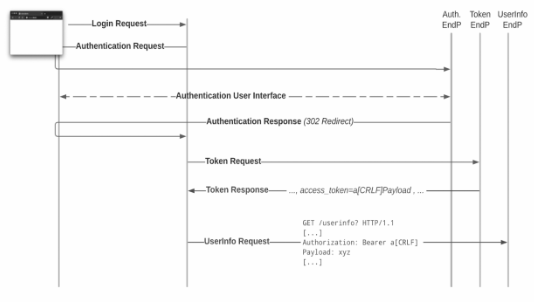
Carriage return (CR) and line feed (LF), also known as CRLF injection is a type of vulnerability that allows a hacker to enter special characters into a web application, altering its operation or confusing the administrator. Log poisoning and HTTP response splitting are two prominent harmful uses of this technique. Additionally, CRLF injection can be used by an attacker to exploit other vulnerabilities, such as cross-site scripting (XSS). According to Open Web Application Security Project (OWASP), CRLF vulnerabilities are among the top 10 vulnerabilities and are a type of injection attack. Automated testing can help to quickly identify CRLF vulnerabilities, and is particularly useful for companies to test their applications before releasing them. However, CRLF vulnerabilities foster a better approach to mitigate CRLF vulnerabilities in the early stage and help secure applications against high-risk known vulnerabilities. There has been less research on CRLF vulnerabilities and how to detect them with automated testing. There is room for further research to be done on this subject matter in order to develop creative solutions to problems. It will also help to reduce false positive alerts by checking the header response of each request. Security automation is an important issue for companies trying to protect themselves against security threats. Automated alerts from security systems can provide a quicker and more accurate understanding of potential vulnerabilities and can help to reduce false positive alerts. Despite the extensive research on various types of vulnerabilities in web applications, CRLF vulnerabilities have only recently been included in the research. Utilizing automated testing as a recurring task can assist companies in receiving consistent updates about their systems and enhance their security.
研究の動機と目的
- CRLF インジェクション脆弱性は高いリスクを伴うが、研究が不足しているため、その問題に対処すること。
- ソフトウェア開発ライフサイクル中に CRLF 脆弱性を自動的かつ効率的に検出する方法を開発すること。
- HTTP ヘッダー応答と入力検証のパターンに焦点を当てることで、脆弱性検出における誤検出を低減すること。
- XSS やログポイズニング、HTTP レスポンススプリッティングなどのチェーン攻撃を防ぐために、CRLF 脆弱性の早期検出を向上させること。
- パフォーマンスへの影響を最小限に抑えつつ、実用的でスケーラブルなソリューションを提供し、Web アプリケーションのセキュリティを強化すること。
提案手法
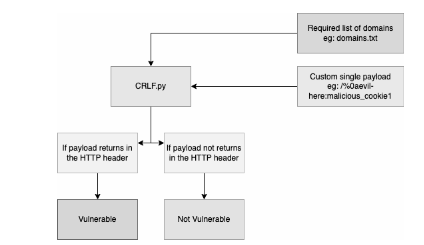
- フレームワークは URL のリストを入力とし、応答ヘッダーを分析するために自動的に HTTP GET 要求を実行する。
- ヘッダー フィールドに ASCII 13 (CR) および ASCII 10 (LF) 文字が存在するかをスキャンすることで、CRLF インジェクションを検出する。
- ユーザー入力内での CR および LF シーケンスの不適切な処理が行われていないかを検証する。
- ヘッダー応答の分析を用いて、正当な改行と悪意あるインジェクションの試みを区別する。
- 文法的パターンに依存するのではなく、ヘッダー レベルの挙動に焦点を当てることで、誤検出を最小限に抑えるように設計されている。
- フレームワークは、3 つのツール(Acunetix、Metasploit Pro、および提案手法)を用いて 40 つの実世界の Web サイトで評価された。
実験結果
リサーチクエスチョン
- RQ1実世界の Web アプリケーションにおける CRLF インジェクション脆弱性の発生頻度はどの程度か?
- RQ2ヘッダー応答分析を用いることで、CRLF 脆弱性の自動検出における誤検出率を低減できるか?
- RQ3提案されたフレームワークは、Acunetix や Metasploit Pro といった既存のツールと比較して、どの程度効果的か?
- RQ4CRLF 脆弱性は、XSS やログポイズニングなどのより深刻な攻撃を引き起こす可能性があるか?
- RQ5CRLF インジェクションの早期検出は、より広範なアプリケーションレベルの脅威を軽減するために果たす役割は何か?
主な発見
- テストされた 40 つの実世界の Web サイトのうち、3 つが CRLF インジェクション攻撃に対して実際に脆弱であると確認された。
- 提案されたフレームワークは、Acunetix と Metasploit Pro の検出率の合計を上回る脆弱サイトを検出できた。
- フレームワークは、一般の入力パターンではなく、HTTP ヘッダー応答に焦点を当てることで、誤検出率を低く抑えた。
- CRLF 脆弱性は、ログポイズニング、HTTP レスポンススプリッティング、特権昇格を可能にする重要な脅威ベクトルであることが判明した。
- この研究は、CRLF インジェクションが広く存在するが、SQL インジェクションや XSS よりも多くの注目を浴びていない脆弱性であることを確認した。
- ヘッダー内のユーザー入力の検証とクリーニングは、CRLF ベースの攻撃を防ぐために不可欠である。
この論文を読む
Nubintのビューアで原文を開き、読みながら気になる箇所をすぐに質問できます。
Nubintでこの論文を読むこのレビューはAIが論文の原文をもとに作成しました。引用する前に原文をご確認ください。