
[論文レビュー] Not All Similarities Are Created Equal: Leveraging Data-Driven Biases to Inform GenAI Copyright Disputes
本論文は、GPT-2 や Stable Diffusion などの生成AI(GenAI)モデルが内蔵するバイアスを活用して、著作権対象の表現的要素における「表現的普遍性」をデータドリブンなアプローチで測定する手法を提案する。モデル出力における頻度パターンを分析することで、独自性よりも普遍性の高い要素を同定し、著作権の範囲を明確にし、過剰保護を低減し、より公平な訴訟、登録、ライセンス意思決定を支援する定量的ツールを提供する。
The advent of Generative Artificial Intelligence (GenAI) models, including GitHub Copilot, OpenAI GPT, and Stable Diffusion, has revolutionized content creation, enabling non-professionals to produce high-quality content across various domains. This transformative technology has led to a surge of synthetic content and sparked legal disputes over copyright infringement. To address these challenges, this paper introduces a novel approach that leverages the learning capacity of GenAI models for copyright legal analysis, demonstrated with GPT2 and Stable Diffusion models. Copyright law distinguishes between original expressions and generic ones (Scènes à faire), protecting the former and permitting reproduction of the latter. However, this distinction has historically been challenging to make consistently, leading to over-protection of copyrighted works. GenAI offers an unprecedented opportunity to enhance this legal analysis by revealing shared patterns in preexisting works. We propose a data-driven approach to identify the genericity of works created by GenAI, employing "data-driven bias" to assess the genericity of expressive compositions. This approach aids in copyright scope determination by utilizing the capabilities of GenAI to identify and prioritize expressive elements and rank them according to their frequency in the model's dataset. The potential implications of measuring expressive genericity for copyright law are profound. Such scoring could assist courts in determining copyright scope during litigation, inform the registration practices of Copyright Offices, allowing registration of only highly original synthetic works, and help copyright owners signal the value of their works and facilitate fairer licensing deals. More generally, this approach offers valuable insights to policymakers grappling with adapting copyright law to the challenges posed by the era of GenAI.
研究の動機と目的
- 著作権法におけるオリジナルな表現的要素と普遍的要素の区別という法的課題に、特にGenAIが生成するコンテンツを念頭に、対処すること。
- 実世界の表現的パターンを反映するスケーラブルで定量的な普遍性の測定法を開発することで、既存の著作物に対する過剰保護を低減すること。
- 曖昧な法的原則に依存せずに、裁判所や著作権庁が保護範囲を評価できるように、データに基づいたツールを提供すること。
- 高水準のオリジナル性と普遍的要素を区別できる仕組みを提供することで、ライセンスおよび登録の実務をより公平にすること。
- AIが関与する創造的活動と大量のコンテンツ生成の現実に適応するよう、著作権の法理を政策立案者に示唆すること。
提案手法
- 事前学習済みのGenAIモデル(例:GPT-2、Stable Diffusion)の訓練データに内在するバイアスを活用し、モデルのデータセット全体にわたる頻度に基づいて、表現的要素を普遍性の度合いごとに同定・順位付けする。
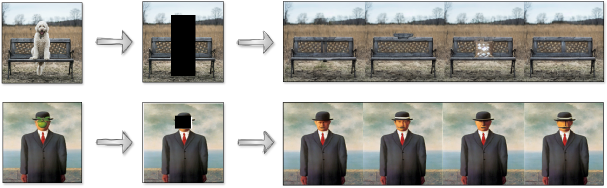
- モデルが学習した表現を用いて、大規模な既存作品のコーパス全体で統計的に共通するパターンを同定し、普遍性を示す。
- 頻度に基づくスコアリングを適用し、特定の表現的要素の普遍性を定量的に測定する——頻度が高いほどオリジナル性が低く、著作権保護の強度も弱くなる。
- これらの普遍性スコアを法的推論に統合し、GenAI出力が保護されない普遍的要素と類似しているかどうかを比較することで、著作権侵害の有無を評価する。
- 代わりに、データドリブンなバイアスを連続的尺度として用いることで、硬直的な2値フィルタリングやアルゴリズム的安定性手法を回避する。
- GenAIモデルの出力を、特定の分野における一般的で保護されない表現の文化的コンセンサスの代理指標として用いる。
実験結果
リサーチクエスチョン
- RQ1GenAIモデルを用いて、著作物内の表現的要素の普遍性を体系的かつ測定可能に同定・評価する方法は何か?
- RQ2GenAIモデルに内在するデータドリブンなバイアスは、Scènes à faire やアイデア/表現の二分法といった法的原則を信頼できる代理指標として機能できるか、その程度はいかほどか?
- RQ3GenAI出力から導出される普遍性スコアは、著作権侵害の判断における予測可能性と公平性を向上させることができるか?
- RQ4このようなスコアは、AI生成コンテンツの登録にあたって著作権庁の実務にどのように貢献できるか?
- RQ5GenAIにおける著作権適合性を確保するため、アルゴリズム的安定性や出力フィルタリングといった2値的解決策に依存することの限界は何か?
主な発見
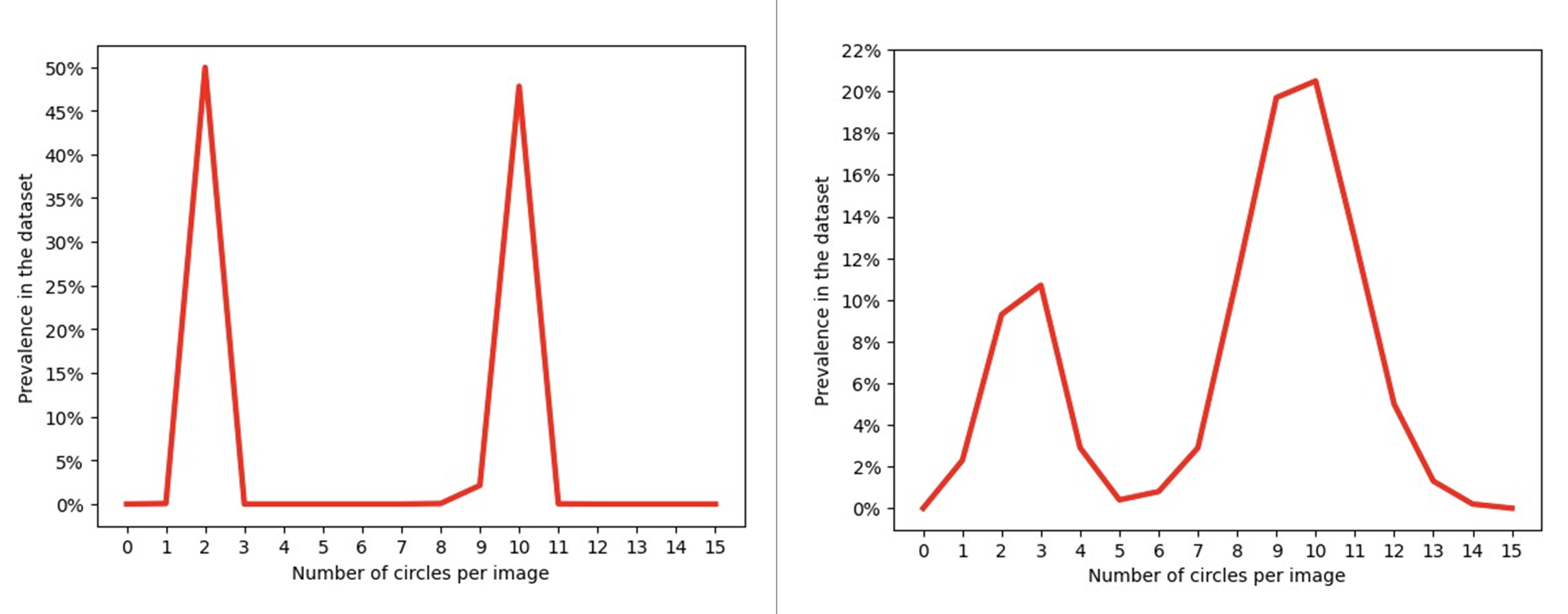
- GenAIモデルは、訓練データに含まれる表現的要素の頻度を反映するデータドリブンなバイアスを示しており、普遍的で保護されないコンテンツの同定が可能である。
- 訓練分布全体にわたって頻度が高い要素は、著作権法の下で保護されにくく、Scènes à faire などの法的原則と整合する。
- 本手法は、硬直的なフィルタリングやアルゴリズム的安定性技術に起因する欠陥を回避しており、保護対象外の要素に類似した出力が、保護された作品の派生物であるにもかかわらず侵害を検出できないという問題を回避する。
- 普遍性スコアは、司法判断に役立てる連続的かつ定量的なオリジナル性の尺度を提供し、共通の表現パターンに対する過剰保護を低減する。
- 著作権庁は、これらのスコアを活用して登録ポリシーを洗練させ、高水準のオリジナル性を持つAI生成作品にのみ保護を適用し、普遍的出力を除外することができる。
- 本アプローチは、抽象的な法的原則を大規模な生成モデルからの実証的データに根拠を置くことで、より洗練された法的推論を支援する。
この論文を読む
Nubintのビューアで原文を開き、読みながら気になる箇所をすぐに質問できます。
Nubintでこの論文を読むこのレビューはAIが論文の原文をもとに作成しました。引用する前に原文をご確認ください。