
[論文レビュー] Secure Semantic Communications: Fundamentals and Challenges
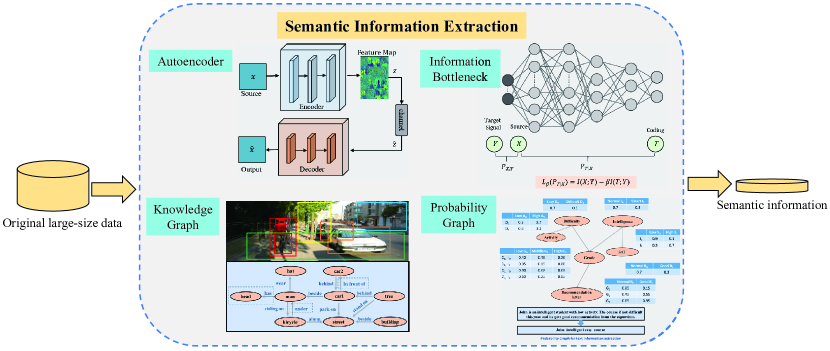
本稿は、情報セキュリティと機械学習(ML)モデルセキュリティという2つの独自のセキュリティ課題に取り組むことで、安全な意味的通信の包括的フレームワークを提示する。自動オートエンコーダ、情報ボトルネック、知識グラフ、確率グラフを用いた意味的情報の定義手法を提案し、MLベースの意味的通信システムにおける意味的敵対的サンプル、バックドア、データ汚染、プライバシー漏洩に対する対策を提示することで、実世界の無線ネットワークにおける安全な意味的通信の設計に包括的なガイドラインを提供する。
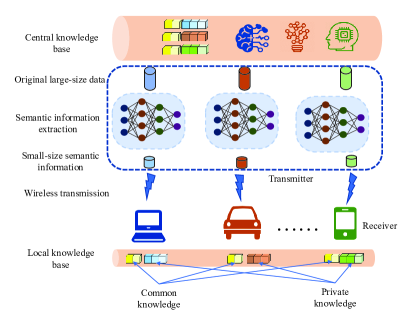
Semantic communication allows the receiver to know the intention instead of the bit information itself, which is an emerging technique to support real-time human-machine and machine-to-machine interactions for future wireless communications. In semantic communications, both transmitter and receiver share some common knowledge, which can be used to extract small-size information at the transmitter and recover the original information at the receiver. Due to different design purposes, security issues in semantic communications have two unique features compared to standard bit-wise communications. First, an attacker in semantic communications considers not only the amount of stolen data but also the meanings of stolen data. Second, an attacker in semantic communication systems can attack not only semantic information transmission as done in standard communication systems but also attacks machine learning (ML) models used for semantic information extraction since most of semantic information is generated using ML based methods. Due to these unique features, in this paper, we present an overview on the fundamentals and key challenges in the design of secure semantic communication. We first provide various methods to define and extract semantic information. Then, we focus on secure semantic communication techniques in two areas: information security and semantic ML model security. For each area, we identify the main problems and challenges. Then, we will provide a comprehensive treatment of these problems. In a nutshell,this article provides a holistic set of guidelines on how to design secure semantic communication systems over real-world wireless communication networks.
研究の動機と目的
- 意味的通信システムに特有のセキュリティ脅威に取り組むこと。これは、単にデータ量に注目するのではなく、意味的意味に焦点を当てる従来のビット単位通信とは異なる。
- 意味的通信における二重のセキュリティ課題、すなわち情報セキュリティと機械学習モデルセキュリティを特定・分析すること。
- 実世界の展開における意味的情報表現手法とその脆弱性について、体系的な概要を提供すること。
- 敵対的例、データ汚染、バックドア、プライバシー漏洩といった主な脅威に対する対策を提案すること。
- 将来の無線ネットワークにおける安全な意味的通信システムの統合的設計フレームワークを提供すること。
提案手法
- 自動オートエンコーダ、情報ボトルネック(IB)、知識グラフ、確率グラフの4つの意味的情報表現手法を用い、それぞれに特徴的な利点と制限がある。
- 送信者と受信者が共通の知識を共有することで意味を抽出・再構築するエンドツーエンドのフレームワークとして意味的通信システムを分析する。
- 主な攻撃表面を2つに特定:(1) 意味的情報の伝送、(2) 意味抽出に使用されるMLモデル。
- 3つの分野に分類された対策を提案:汚染防止(例:トリガー逆転、データフリー知識蒸留)、敵対的耐性(例:敵対的訓練、微分プライバシー)、プライバシー保護(例:フェデレーテッドラーニング、機密コンピューティング)。
- MLベースの意味的通信システムにおける知的財産保護のため、モデルウォーターマーキングと認証技術を統合する。
- 図5に示す視覚的フレームワークを用いて、MLライフサイクル全体にわたる既知の脅威と対策をマッピングし、トレーニング、推論、展開段階での攻撃ベクトルを強調する。
実験結果
リサーチクエスチョン
- RQ1自動オートエンコーダや情報ボトルネックといった機械学習ベースの手法を用いて、意味的情報を形式的に定義し抽出することは可能か?
- RQ2従来のビット単位通信システムに存在しない、意味的通信に特有のセキュリティ脅威とは何か?
- RQ3敵対的例、バックドア、データ汚染は、意味的MLモデルの整合性と機密性をどのように具体的に損なうのか?
- RQ4特にブラックボックス環境および実世界の展開状況において、意味的通信に使用されるMLモデルを安全に保つために最も効果的な対策は何か?
- RQ5機微なデータから導出された意味的表現を送信または保存する際、プライバシー漏洩をどのように防止できるか?
主な発見
- 意味的通信システムは二重のセキュリティ脅威に直面している:送信された意味的コンテンツに対する攻撃と、意味を抽出するために使用される下位のMLモデルに対する攻撃。
- 従来のセキュリティモデルは意味的システムには不十分である。攻撃者はデータ量だけでなく意味的意味に対しても標的を定めるため、意味的整合性が重要な懸念事項となる。
- ビジョントランスフォーマーなどの深層モデルにおける敵対的例とバックドアは、リアルタイムの意味的通信システムに顕著なリスクをもたらす。
- モデルトレーニングへのアクセスが制限されるブラックボックス環境においても、トリガー逆転やデータフリー知識蒸留といった汚染防止技術は有効である。
- 微分プライバシーとフェデレーテッドラーニングはプライバシー保護に役立つが、モデルの精度を低下させる可能性があるため、安全な設計におけるトレードオフを示している。
- 知的財産保護の観点から、モデルウォーターマーキングと認証は商業的意味的通信システムにおいて不可欠である。
この論文を読む
Nubintのビューアで原文を開き、読みながら気になる箇所をすぐに質問できます。
Nubintでこの論文を読むこのレビューはAIが論文の原文をもとに作成しました。引用する前に原文をご確認ください。