
[論文レビュー] Sharing to Learn and Learning to Share; Fitting Together Meta, Multi-Task, and Transfer Learning: A Meta Review
転移学習、メタ学習、マルチタスク学習がドメイン横断でどのように組み合わされるかを検討し、汎用のタスク・モデルに依存しない統合学習ネットワークを提案するメタレビュー。
Integrating knowledge across different domains is an essential feature of human learning. Learning paradigms such as transfer learning, meta-learning, and multi-task learning reflect the human learning process by exploiting the prior knowledge for new tasks, encouraging faster learning and good generalization for new tasks. This article gives a detailed view of these learning paradigms and their comparative analysis. The weakness of one learning algorithm turns out to be a strength of another, and thus, merging them is a prevalent trait in the literature. Numerous research papers focus on each of these learning paradigms separately and provide a comprehensive overview of them. However, this article reviews research studies that combine (two of) these learning algorithms. This survey describes how these techniques are combined to solve problems in many different fields of research, including computer vision, natural language processing, hyper-spectral imaging, and many more, in a supervised setting only. Based on the knowledge accumulated from the literature, we hypothesize a generic task-agnostic and model-agnostic learning network – an ensemble of meta-learning, transfer learning, and multi-task learning, termed Multi-modal Multi-task Meta Transfer Learning. We also present some open research questions, limitations, and future research directions for this proposed network. The aim of this article is to spark interest among scholars in effectively merging existing learning algorithms with the intention of advancing research in this field. Instead of presenting experimental results, we invite readers to explore and contemplate techniques for merging algorithms while navigating through their limitations.
研究の動機と目的
- 転移学習、マルチタスク学習(MTL)、メタ学習が情報を共有することで学習を横断的に改善する仕組みを説明する。
- コンピュータビジョン、NLP、その他の分野にわたり、これらのパラダイムの二つ以上を組み合わせる既存の研究を調査する。
- これらのパラダイムの強み・弱み・一般的な誤解を明らかにする。
- 三つのパラダイムを統合し、タスクおよびモデルに依存しない汎用的な学習ネットワークを提案し、未解決の研究課題を概説する。
提案手法
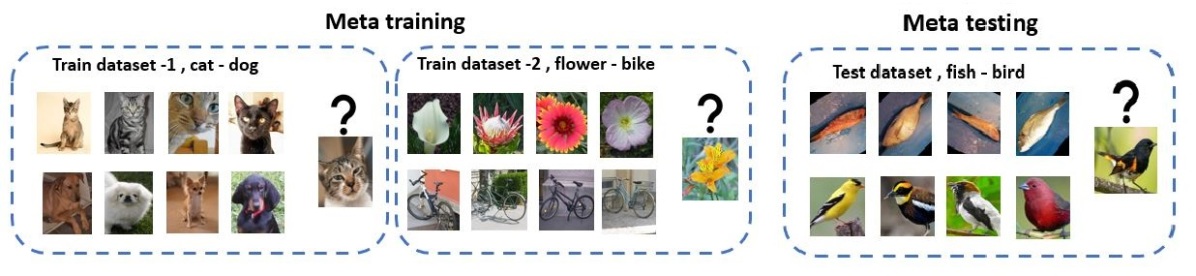
- 転移学習、マルチタスク学習(MTL)、メタ学習を定義・区別し、それぞれの情報共有メカニズムと目的を説明する。
- これらのパラダイムの組み合わせ、メタ転移学習、マルチタスクメタ学習、関連するハイブリッドを含む文献を調査する。
- MTLにおける共有部品とタスク特有部品のアーキテクチャと訓練戦略を、硬結合とソフト結合のパラメータ共有を含めて議論する。
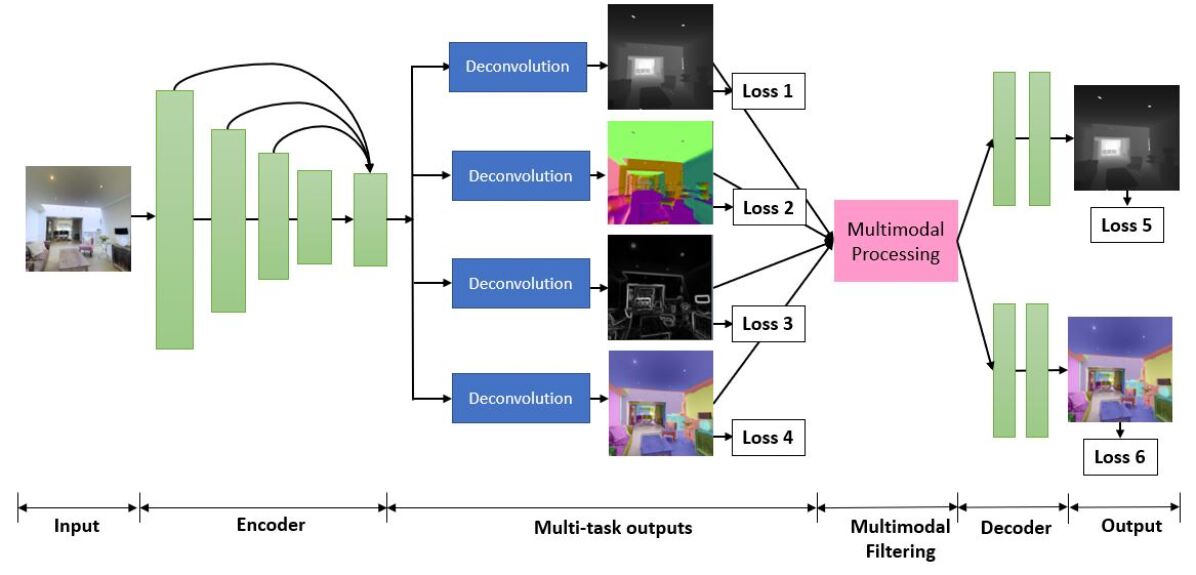
- 三つのパラダイムを統合する概念的な汎用ネットワークを提示し、その潜在能力・限界・今後の研究方向を検討する。
- 表記法を要約し、視覚認識、NLP、その他の分野の例とともにパラダイム間の構造的比較を提供する。
実験結果
リサーチクエスチョン
- RQ1転移学習、メタ学習、マルチタスク学習の情報共有と目的の点での核心的な類似点と相違点は何か。
- RQ2研究者は二つまたは三つのパラダイムをどのように組み合わせてきたのか、そして領域を超えた経験的パターンは何か。
- RQ3メタ学習・転移学習・マルチタスク学習を統合できる汎用のタスク非依存・モデル非依存学習ネットワークとは何か、またその未解決の課題は何か。
- RQ4これらの学習パラダイムのアンサンブルと統合に関して、未解決の研究課題と制限は何か。
主な発見
- 二つのパラダイムを組み合わせることへの関心が広く、相補的な強みを活用する統合フレームワークを提案するべきだという主張がある。
- ネガティブ転移や不適切な共有は性能を妨げる可能性があるため、バランスの取れた共有アーキテクチャとタスク関係学習の必要性を強調している。
- 調査は幅広いドメインとデータセットを対象にしており、タスクタイプとデータの異種性が知識共有に与える影響を要約している。
- 三つのパラダイムを統合した概念的な方向性として「マルチモーダル・マルチタスク・メタ転移学習」を提案している。
- 本研究は、MTL・メタ学習・転移学習を組み合わせるアンサンブル手法の開放的な課題・限界・今後の研究方向を特定している。
この論文を読む
Nubintのビューアで原文を開き、読みながら気になる箇所をすぐに質問できます。
Nubintでこの論文を読むこのレビューはAIが論文の原文をもとに作成しました。引用する前に原文をご確認ください。