
[論文レビュー] Stabilizer configuration interaction: Finding molecular subspaces with error detection properties
本稿では、分子基底状態の近似として最適な安定化子状態を古典的アルゴリズムで特定し、その後に符号語安定化子符号を用いて誤り検出符号を構築する、古典的・量子的ハイブリッドフレームワークを提案する。この手法により、ノイジーな初期のフォールトトレランス量子デバイス上でも、より高い忠実度でこれらの状態を準備可能となり、36量子ビットまでの分子で数値的検証がなされ、低エラー率下で誤り検出の利点が示された。
In this work, we explore a new approach to designing both algorithms and error detection codes for preparing approximate ground states of molecules. We propose a classical algorithm to find the optimal stabilizer state by using excitations of the Hartree-Fock state, followed by constructing quantum error-detection codes based on this stabilizer state using codeword-stabilized codes. Through various numerical experiments, we confirm that our method finds the best stabilizer approximations to the true ground states of molecules up to 36 qubits in size. Additionally, we construct generalized stabilizer states that offer a better approximation to the true ground states. Furthermore, for a simple noise model, we demonstrate that both the stabilizer and (some) generalized stabilizer states can be prepared with higher fidelity using the error-detection codes we construct. Our work represents a promising step toward designing algorithms for early fault-tolerant quantum computation.
研究の動機と目的
- パrameterized量子回路に依存せずに、分子基底状態への安定化子状態近似を構築するための効率的な古典的アルゴリズムの開発。
- 初期のフォールトトレランス量子計算における状態準備プロセスに誤り検出符号を統合すること。
- 安定化子部分空間を符号空間として活用することで、近似基底状態の準備に必要なリソースコストを低減すること。
- 36量子ビットまで拡大する分子系に対して、実用的妥当性を重視して、段階的なサイズの分子で手法の検証を行うこと。
- 測定による後選別によるリソースコストを伴いながらも、ノイズ下で誤り検出符号が状態忠実度を向上させることを示すこと。
提案手法
- ハートリー・フォック基底状態に対して励起を適用することで、真の分子基底状態に最も近い安定化子状態近似を求めるための古典的アルゴリズムを用いる。
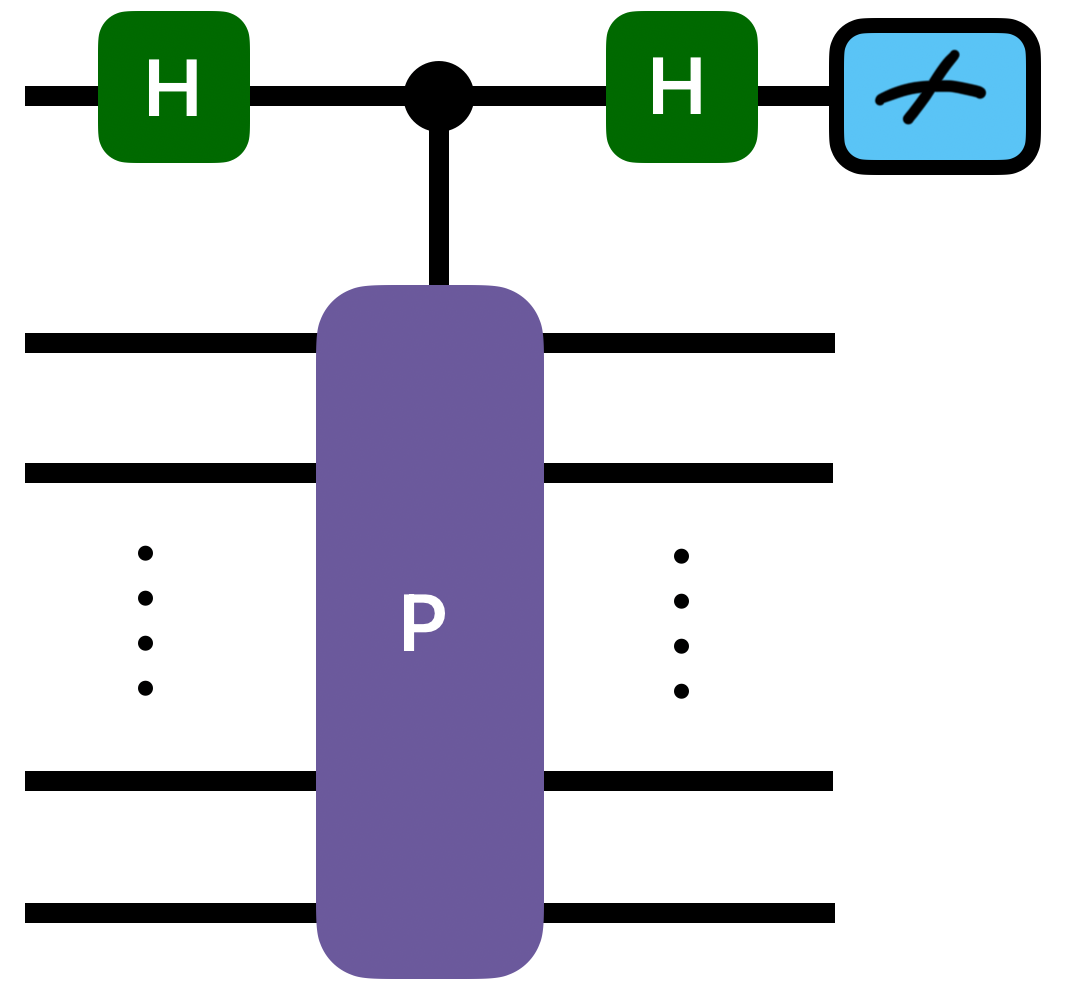
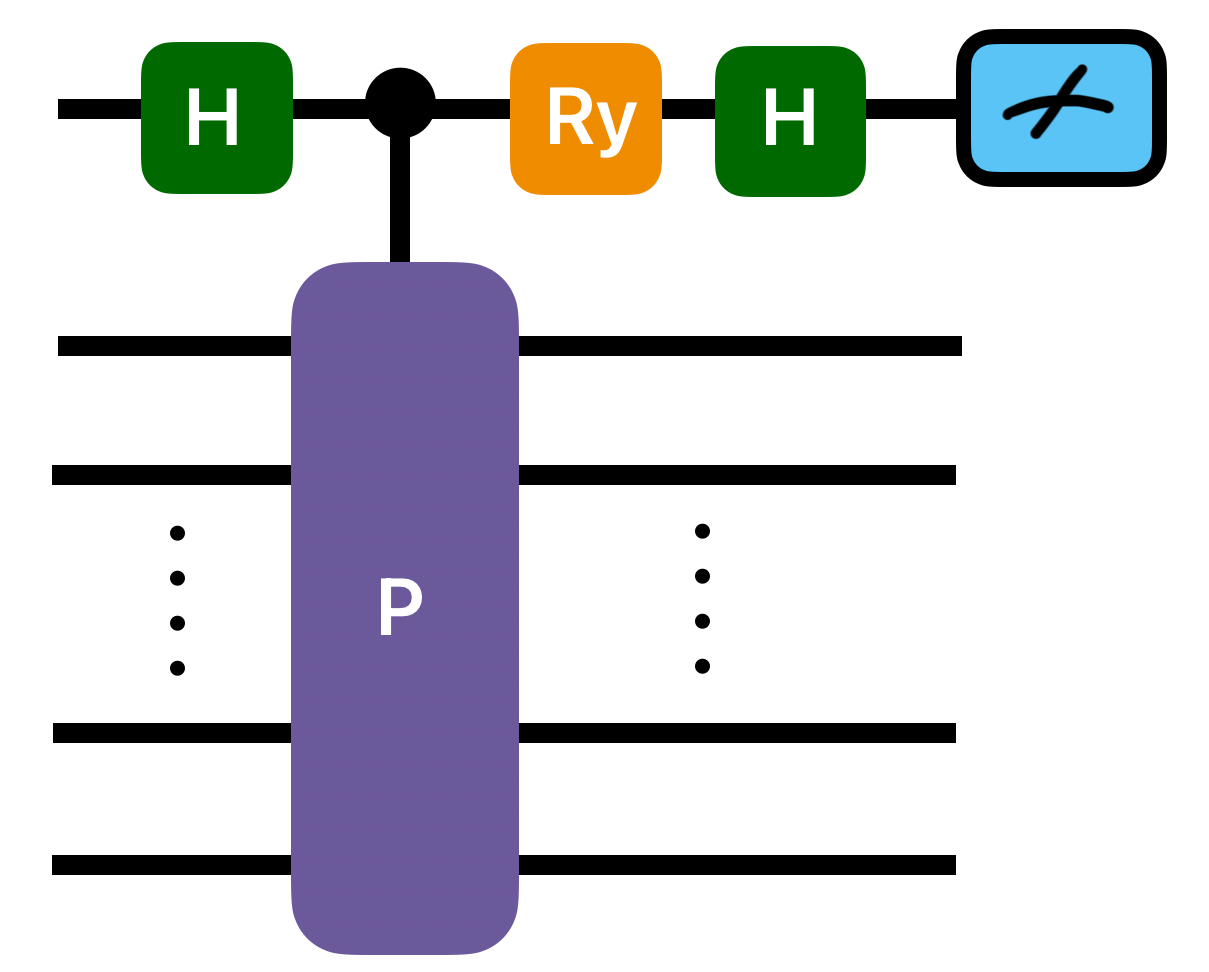
- 安定化子状態を符号語安定化子符号フレームワークを用いて、量子誤り検出符号を構築する符号空間として用いる。
- 標準の安定化子状態よりも優れた近似を提供する一般化安定化子状態を構築する。
- 状態準備と誤り検出の両方のリソースコストを最小限に抑えるために、1論理量子ビットの符号を採用する。
- 誤り検出性能のテストのために、状態準備後にデポラライジングチャネル、安定化子測定前にビット反転チャネルを用いたノイズ付きシミュレーションを実施する。
- 誤り検出有無の両方で、理想状態とノイズ状態との重なりを計算し、リソースのトレードオフを評価するために破棄率を追跡する。
実験結果
リサーチクエスチョン
- RQ1パrameterized量子回路に依存せずに、古典的アルゴリズムが分子基底状態への安定化子状態近似を効率的に見つけられるか。
- RQ2ハートリー・フォック励起から得られる安定化子状態が、単独のハートリー・フォック状態よりも優れたエネルギー近似を提供できるか。
- RQ3これらの安定化子状態近似から、状態準備中に誤り検出を可能にする符号語安定化子符号を効果的に構築できるか。
- RQ4実際のノイズモデル下で、これらの符号による誤り検出が、準備された安定化子状態および一般化安定化子状態の忠実度を向上させられるか。
- RQ5誤り検出を用いる際の忠実度とリソースコスト(例:破棄率)のトレードオフはいかほどか。
主な発見
- 古典的アルゴリズムは、H₂(数秒)からCr₂(数時間)までの36量子ビットまでの系について、分子基底状態への安定化子状態近似を成功裏に特定した。
- 全テスト対象分子において、安定化子状態はハートリー・フォック状態よりも一貫して優れたエネルギー近似を示した。
- 符号語安定化子符号を用いて誤り検出符号を構築し、ノイズ下でも安定化子状態および一般化安定化子状態の両方を高忠実度で準備可能となった。
- ノイズ付きシミュレーションにおいて、デポラライジングエラー確率が0.01未満の範囲では、誤り検出により理想状態との重なりがほぼ1を維持し、破棄率は20%未満であった。
- エラー確率が上昇するにつれて破棄率も上昇し、高ノイズ下では忠実度とリソース効率のトレードオフが顕在化した。
- 結果から、安定化子状態は、複数の安定化子状態の線形結合と組み合わせることで、さらなる量子化学アルゴリズムの出発点として有望であることが示唆された。
この論文を読む
Nubintのビューアで原文を開き、読みながら気になる箇所をすぐに質問できます。
Nubintでこの論文を読むこのレビューはAIが論文の原文をもとに作成しました。引用する前に原文をご確認ください。