
[논문 리뷰] AUTOLYCUS: Exploiting Explainable AI (XAI) for Model Extraction Attacks against Interpretable Models
AUTOLYCUS는 의사결정 트리 및 로지스틱 회귀와 같은 화이트박스 기계학습 모델을 도용할 때 쿼리 비용을 크게 줄이는 새로운 모델 추출 공격이다. LIME 설명을 활용해 적응적이고 경계 인식 쿼리를 생성함으로써, 최신 기술에 비해 최대 60배 적은 쿼리로도 상태 기반의 대체 모델 정확도를 달성한다.
Explainable Artificial Intelligence (XAI) aims to uncover the decision-making processes of AI models. However, the data used for such explanations can pose security and privacy risks. Existing literature identifies attacks on machine learning models, including membership inference, model inversion, and model extraction attacks. These attacks target either the model or the training data, depending on the settings and parties involved. XAI tools can increase the vulnerability of model extraction attacks, which is a concern when model owners prefer black-box access, thereby keeping model parameters and architecture private. To exploit this risk, we propose AUTOLYCUS, a novel retraining (learning) based model extraction attack framework against interpretable models under black-box settings. As XAI tools, we exploit Local Interpretable Model-Agnostic Explanations (LIME) and Shapley values (SHAP) to infer decision boundaries and create surrogate models that replicate the functionality of the target model. LIME and SHAP are mainly chosen for their realistic yet information-rich explanations, coupled with their extensive adoption, simplicity, and usability. We evaluate AUTOLYCUS on six machine learning datasets, measuring the accuracy and similarity of the surrogate model to the target model. The results show that AUTOLYCUS is highly effective, requiring significantly fewer queries compared to state-of-the-art attacks, while maintaining comparable accuracy and similarity. We validate its performance and transferability on multiple interpretable ML models, including decision trees, logistic regression, naive bayes, and k-nearest neighbor. Additionally, we show the resilience of AUTOLYCUS against proposed countermeasures.
연구 동기 및 목표
- 설명 가능한 인공지능(XAI) 도구인 LIME이 모델 추출 공격을 촉진하는 데 악용될 수 있는지 조사하기 위해.
- 블랙박스 환경에서 화이트박스 모델을 대상으로 LIME 설명을 활용해 쿼리 효율적인 모델 추출 방법을 개발하기 위해.
- 최소한의 쿼리 예산으로 목표 모델과 매우 유사한 대체 모델을 재구성하는 데 AUTOLYCUS의 효과를 평가하기 위해.
- 기존 방어 조치—예를 들어 설명 또는 학습 데이터에 노이즈를 주입하는 것—이 제안된 공격에 얼마나 효과적인지 평가하기 위해.
- 상용 기계학습 서비스에서 XAI 도구가 모델 추출 위험을 증가시키는 데 미치는 광범위한 영향을 탐색하기 위해.
제안 방법
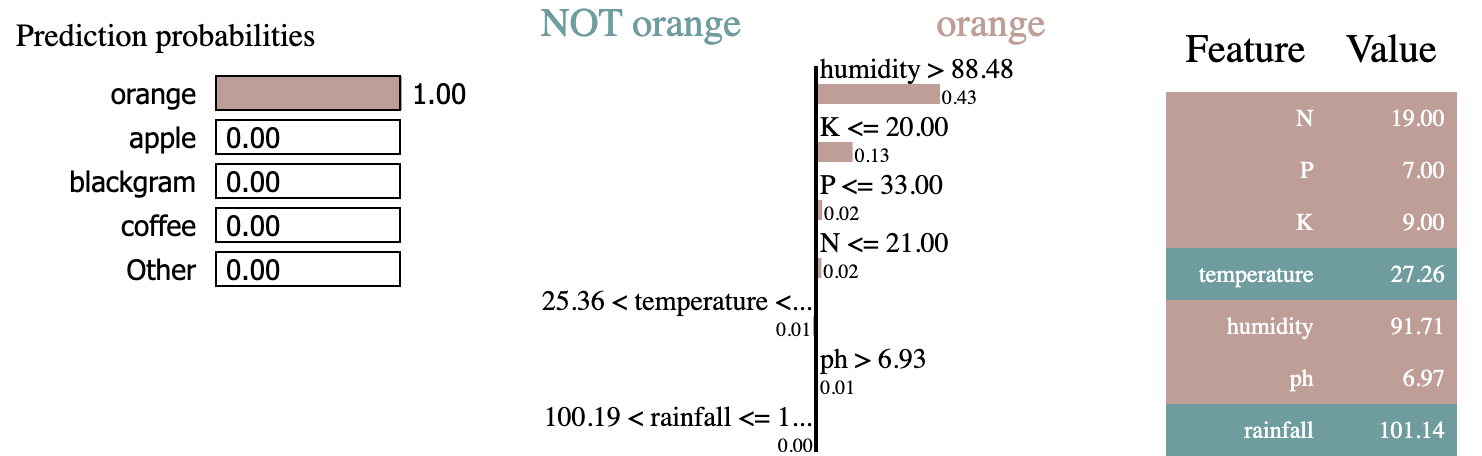
- AUTOLYCUS는 이전 쿼리에서 생성된 LIME 설명을 분석하여 모델의 결정 경계를 향한 적응적 쿼리를 생성한다.
- LIME이 생성한 국소 대체 모델을 활용해 특성 중요도와 방향성을 추론함으로써, 정보성 높고 경계 근처에 위치한 데이터 샘플을 생성할 수 있다.
- 이 공격은 이러한 적응적 샘플로 목표 모델을 반복적으로 쿼리하며, 각 단계에서 대체 모델을 재학습하여 목표 모델에 대한 충실도를 향상시킨다.
- 이 방법은 LIME의 모델 독립성과 해석 가능성에 기반하여 모델 파rameter에 접근하지 않아도 결정 경계를 재구성할 수 있다.
- LIME의 설명 출력에 따라 경계 근처 영역을 탐색하기 위한 선-검색 유사 전략을 적용한다.
- LIME의 국소 설명을 실질적인 쿼리 생성 힌트로 변환함으로써, 무작위 또는 막연한 쿼리에 대한 의존도를 줄인다.
실험 결과
연구 질문
- RQ1LIME 설명을 악용하여 성공적인 모델 추출에 필요한 쿼리 수를 줄일 수 있는가?
- RQ2AUTOLYCUS는 정확도와 구조적 유사성이 모두 높은 대체 모델을 얼마나 효과적으로 재구성하는가?
- RQ3기존의 방어 조치—예를 들어 설명 또는 학습 데이터에 노이즈를 주입하는 것—이 XAI 기반 모델 추출 공격에 대해 얼마나 효과적인가?
- RQ4AUTOLYCUS의 성능은 의사결정 트리 및 로지스틱 회귀와 같은 다양한 표본 데이터 및 모델 유형에서 어떻게 변할까?
- RQ5LIME 설명이 특성 수준에서 정보가 적은 복잡한 모델이나 비표본 데이터(예: 이미지)에서는 AUTOLYCUS의 한계는 무엇인가?
주요 결과
- AUTOLYCUS는 최신 기술 공격 대비 최대 60배 적은 쿼리로 대체 모델 정확도와 목표 모델과의 유사도를 유사하게 달성함으로써 쿼리 예산을 크게 절감한다.
- 이 공격은 다섯 개의 벤치마크 데이터셋에서 높은 대체 모델 정확도를 달성하여 다양한 표본 데이터 분포에 걸쳐 뛰어난 견고성을 보였다.
- LIME 설명의 활용은 결정 경계를 효율적으로 탐색할 수 있는 매우 정보성 높은 쿼리를 생성함으로써, 막연한 쿼리 전략보다 뚜렷이 뛰어난 성능을 보였다.
- 노이즈를 LIME 설명이나 학습 데이터에 주입하는 등의 방어 조치는 실제로 AUTOLYCUS에 대해 효과가 없음을 실험적으로 입증하여 현재 방어 기법에 심각한 격차가 있음을 시사한다.
- 이미지 분류 작업에서는 LIME 설명이 픽셀 그룹을 개별 특성 단위로 다루기 때문에, 특성 수준의 해석 가능성은 제한되어 있어 공격의 효과가 떨어진다.
- 많은 영향을 미치는 특성이 있는 복잡한 모델에서는 보조 데이터의 제한과 확률적 재구성의 특성으로 인해 일부 분기나 결정 경로가 충분히 포착되지 않을 수 있다.
이 논문 읽기
누빈트 뷰어에서 원문을 열고, 읽으면서 궁금한 곳을 바로 물어보세요.
누빈트에서 이 논문 읽기이 리뷰는 AI가 논문 원문을 바탕으로 만들었습니다. 인용하기 전에 원문을 확인해 주세요.