
[논문 리뷰] Critical Infrastructure Protection: Generative AI, Challenges, and Opportunities
본 논문은 CIP 위협, 신뢰/ 프라이버시/ 회복력 요구사항, 그리고 Generative AI와 LLM을 CIP 생애주기에 통합하고 부문별 응용 및 향후 방향을 다루는 survey이다.
Critical National Infrastructure (CNI) encompasses a nation's essential assets that are fundamental to the operation of society and the economy, ensuring the provision of vital utilities such as energy, water, transportation, and communication. Nevertheless, growing cybersecurity threats targeting these infrastructures can potentially interfere with operations and seriously risk national security and public safety. In this paper, we examine the intricate issues raised by cybersecurity risks to vital infrastructure, highlighting these systems' vulnerability to different types of cyberattacks. We analyse the significance of trust, privacy, and resilience for Critical Infrastructure Protection (CIP), examining the diverse standards and regulations to manage these domains. We also scrutinise the co-analysis of safety and security, offering innovative approaches for their integration and emphasising the interdependence between these fields. Furthermore, we introduce a comprehensive method for CIP leveraging Generative AI and Large Language Models (LLMs), giving a tailored lifecycle and discussing specific applications across different critical infrastructure sectors. Lastly, we discuss potential future directions that promise to enhance the security and resilience of critical infrastructures. This paper proposes innovative strategies for CIP from evolving attacks and enhances comprehension of cybersecurity concerns related to critical infrastructure.
연구 동기 및 목표
- Critical National Infrastructure (CNI)가 직면한 사이버 보안 및 신뢰성 도전과 통합 보호의 필요성 평가.
- CIP를 형성하는 신뢰, 프라이버시, 회복력 요구사항과 규제 표준을 검토.
- 안전(safety)과 보안(security)의 공동 분석(SSCA)과 CIP를 위한 통합을 조사.
- 맞춤형 생애주기와 부문별 적용을 갖춘 Generative AI와 LLM을 활용한 포괄적 CIP 방법 제안.
- 핵심 인프라의 보안성과 회복력을 강화하기 위한 향후 방향 제시.
제안 방법
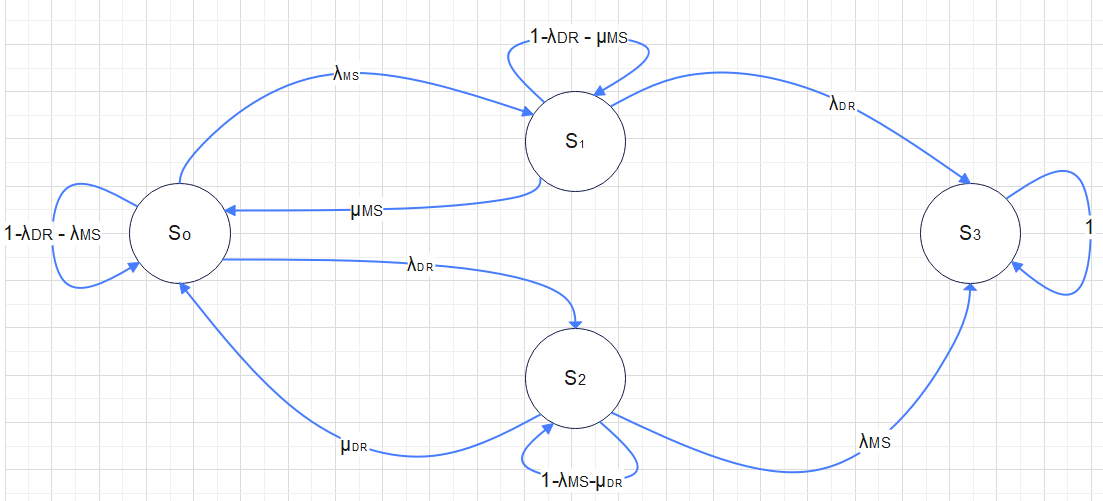
- Weibull 분석, 마르코프 체인, 몬테카를로 시뮬레이션을 포함한 CNIs의 신뢰성 기법 검토.
- CNIs에 대한 사이버 보안 위협과 그로 인한 신뢰성 및 연속성에 대한 잠재적 영향 분석.
- 규제 프레임워크(GDPR, HIPAA, PDPA 등) 전반의 신뢰, 프라이버시, 회복력 요구사항과 CIP에 대한 함의를 논의.
- 안전과 보안의 공동 분석(SSCA)을 탐구하고 안전 및 보안 고려사항을 통합하는 접근법 제시.
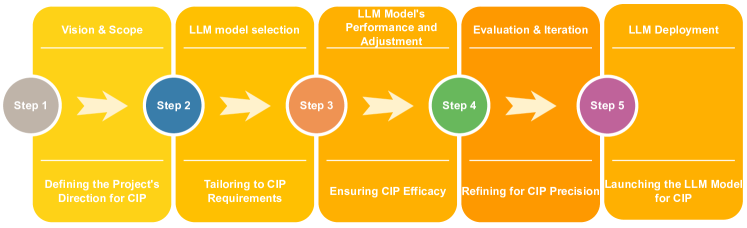
- 다섯 단계 LLM 생애주기(Vision & Scope, Model Selection, Performance & Adjustment, Evaluation & Iteration, Deployment)를 갖춘 Generative AI 및 LLM 기반 CIP 방법 제시.
- 에너지 그리드 보호, 자동 사고 대응, 규제/준수 문서화 등 CIP 내 LLM의 응용을 설명.
실험 결과
연구 질문
- RQ1중요한 국가 인프라(CNIs)가 직면한 사이버 보안 및 신뢰성 도전은 무엇이며 이들이 어떻게 상호 작용하는가?
- RQ2신뢰, 프라이버시, 회복력 요구사항은 지역별로 CIP 표준과 실천에 어떻게 영향을 미치는가?
- RQ3Generative AI와 LLM을 CIP 생애주기에 맞춰 조정하고 통합하여 회복력과 보안을 어떻게 향상시킬 수 있는가?
- RQ4에너지, 물, 운송 등 부문에서 CIP를 위한 LLM의 실용적 응용 및 한계는 무엇인가?
- RQ5AI 기반 CIP 솔루션을 배치하는 데 남은 향후 방향과 도전과제는 무엇인가?
주요 결과
- CIP 신뢰성 분석은 유지보수 및 회복력을 평가하고 향상시키기 위해 Weibull, Markov 체인, 몬테카를로 시뮬레이션의 이점을 가진다.
- 맬웨어, 램섬웨어, 공급망 공격, 피싱, DDoS, SQL 인젝션, 제로데이 익스플로잇과 같은 사이버 위협은 CNIs를 위협하며 부문 간에 연쇄적으로 확산될 수 있다.
- 신뢰, 프라이버시, 회복력 요구사항은 지역 및 규제에 따라 달라지므로 다중 계층의 방어 및 규정 준수 전략이 필요하다.
- 안전과 보안은 서로 의존적이며 SSCA의 통합은 중요한 부문에서 사고 예방 및 사고 대응을 향상시킬 수 있다.
- CIP를 위한 다섯 단계 LLM 생애주기(Vision & Scope, Model Selection, Performance & Adjustment, Evaluation & Iteration, Deployment)는 CIP 특화 모델 개발 및 배치를 가능하게 한다.
- 응용 예로 에너지 그리드의 위협 예측 분석, 운송 분야의 자동 사고 대응, 물 처리 시설의 정책/준수 보고의 자동화가 있으며 데이터 프라이버시 및 데이터 세트 구축과 같은 과제도 인식된다.
이 논문 읽기
누빈트 뷰어에서 원문을 열고, 읽으면서 궁금한 곳을 바로 물어보세요.
누빈트에서 이 논문 읽기이 리뷰는 AI가 논문 원문을 바탕으로 만들었습니다. 인용하기 전에 원문을 확인해 주세요.