
[논문 리뷰] Deep Learning for Accelerated and Robust MRI Reconstruction: a Review
MRI 재구성에 대한 심층 학습 방법의 포괄적 검토로, 엔드-투-엔드 네트워크, 사전 학습된 디노이저, 생성적 사전, 및 자기지도 접근법을 다루며, 로버스트성과 임상 영향에 대한 논의를 포함한다.
Deep learning (DL) has recently emerged as a pivotal technology for enhancing magnetic resonance imaging (MRI), a critical tool in diagnostic radiology. This review paper provides a comprehensive overview of recent advances in DL for MRI reconstruction. It focuses on DL approaches and architectures designed to improve image quality, accelerate scans, and address data-related challenges. These include end-to-end neural networks, pre-trained networks, generative models, and self-supervised methods. The paper also discusses the role of DL in optimizing acquisition protocols, enhancing robustness against distribution shifts, and tackling subtle bias. Drawing on the extensive literature and practical insights, it outlines current successes, limitations, and future directions for leveraging DL in MRI reconstruction, while emphasizing the potential of DL to significantly impact clinical imaging practices.
연구 동기 및 목표
- DL 기반 MRI 재구성 기술과 아키텍처의 영역을 조사한다.
- DL이 이미지 품질을 향상시키고 스캔을 가속화하며 데이터 관련 도전과제를 어떻게 처리하는지 논의한다.
- 분포 변화와 편향에 대한 로버스트성을 강조하고 임상 채택을 위한 실용적 전략을 제시한다.
제안 방법
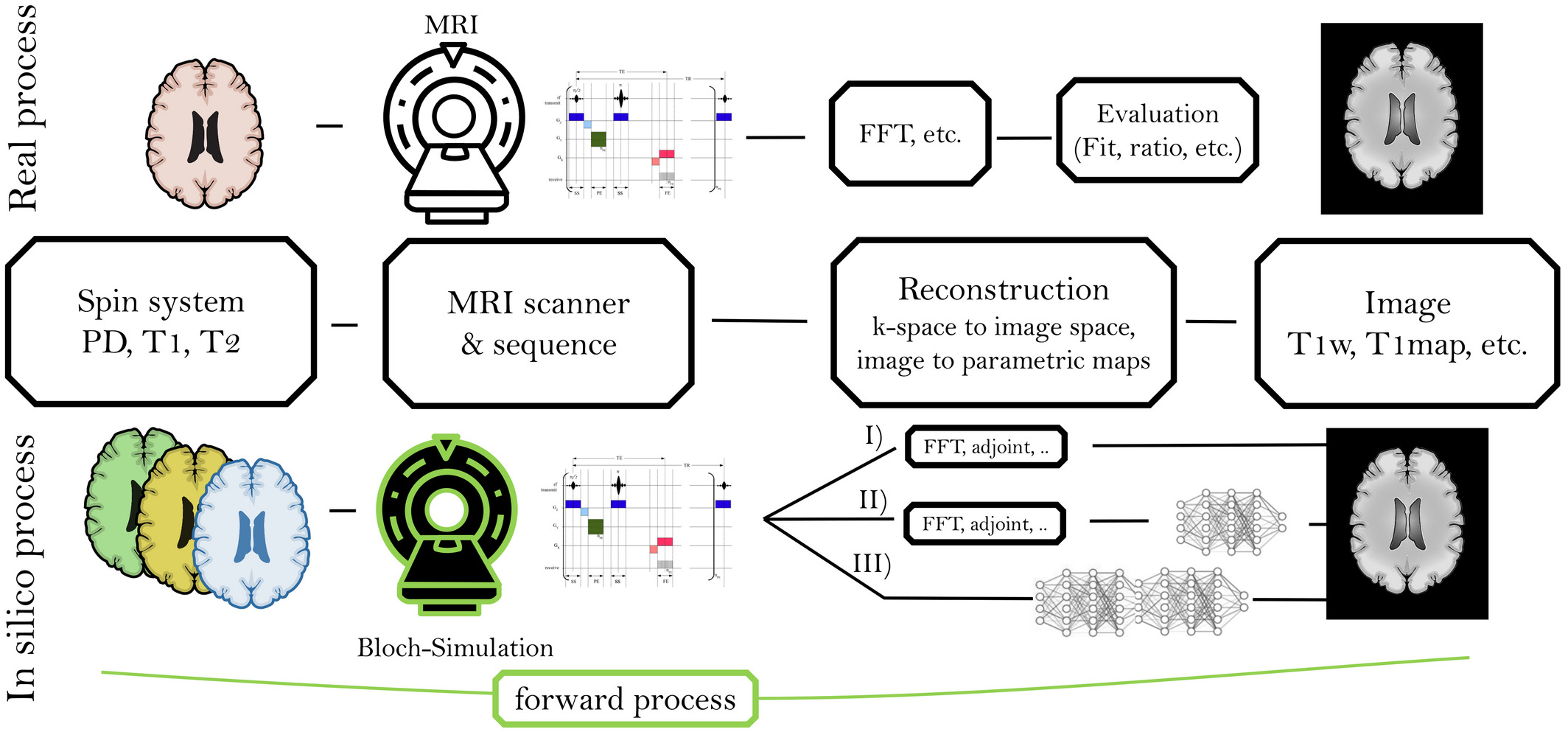
- 측정값에서 재구성 이미지를 매핑하는 엔드-투-엔드 신경망을 조사한다.
- 학습된 구성요소로 반복 최적화를 흉내 내는 unrolled 네트워크 아키텍처를 논의한다.
- 사전 학습된 디노이저를 사전-플러그앤플레이 프레임워크로 사용하는 방법을 설명한다.
- GANs와 diffusion 모델을 포함한 생성적 사전이 재구성에 미치는 영향의 요약을 제공한다.
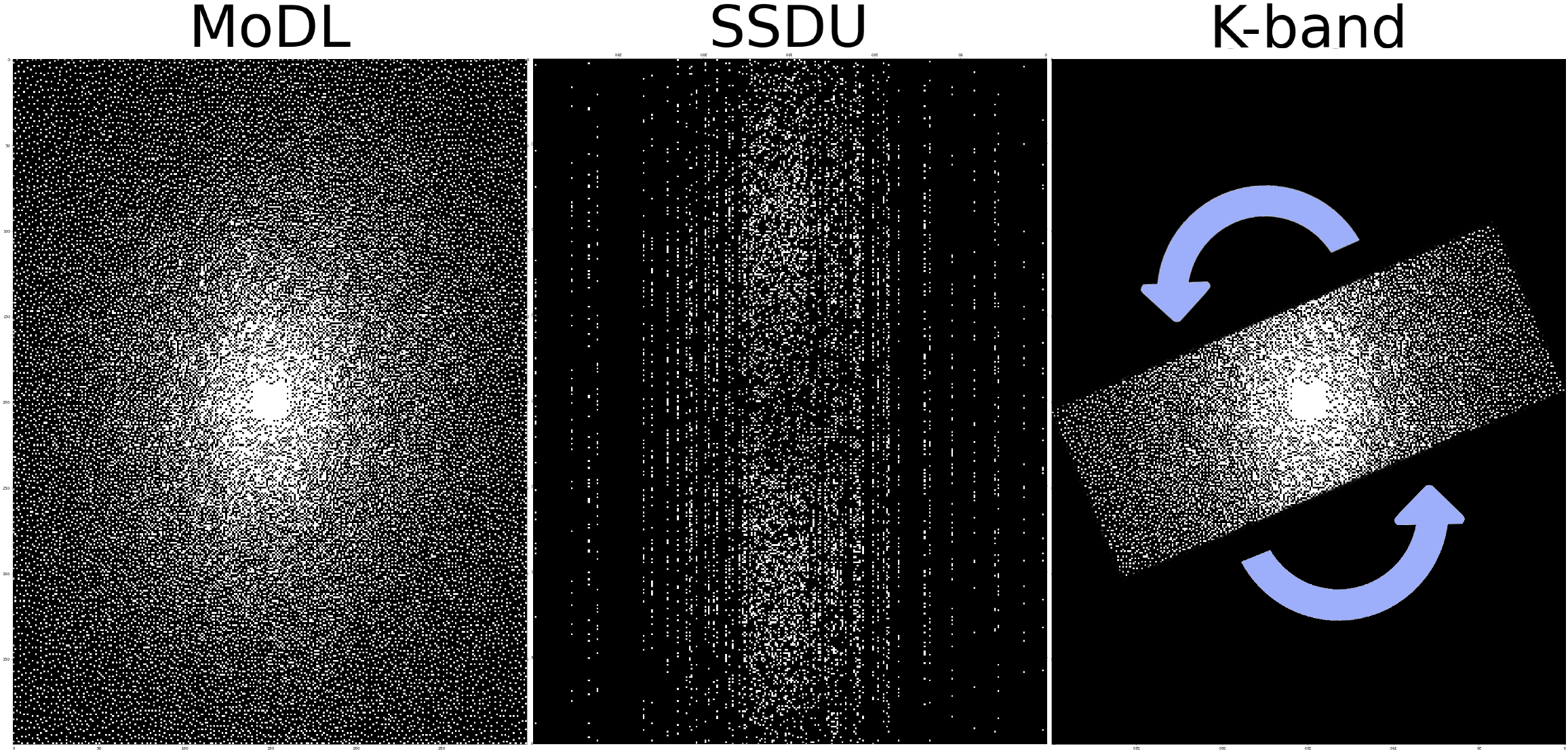
- 쌍대 ground-truth 데이터가 없을 때도 가능한 자기지도 학습 접근법을 설명한다.
- 언트레인드 네트워크와 좌표 기반 표현을 대안으로 제시하는 DL 전략의 개요를 제시한다.
실험 결과
연구 질문
- RQ1가속 MRI 재구성에 가장 효과적인 DL 아키텍처와 학습 패러다임은 무엇인가?
- RQ2엔드-투-엔드, unrolled, PnP, 생성적 사전은 데이터 언더샘플링과 인공물 문제를 다루는 데 어떤 차이가 있는가?
- RQ3DL 기반 MRI에서의 로버스트니스 도전(분포 변 shifts, 불안정성, 편향)은 무엇이며 이를 어떻게 완화할 수 있는가?
- RQ4Ground-truth 데이터가 제한될 때 자기지도 및 비-학습 방법은 어떤 역할을 하는가?
- RQ5확산 모델 및 기타 생성적 사전은 MRI 재구성에서 불확실성 정량화에 어떻게 활용될 수 있는가?
주요 결과
- DL 방법은 다양한 아키텍처에서 이미지 품질을 크게 향상시키고 MRI를 더 빠르게 수행할 수 있게 한다.
- Unrolled 네트워크와 변분적 영감을 받은 설계는 데이터 일관성과 디노이징 블록을 통해 강력한 성능을 제공한다.
- 사전 학습된 디노이저를 사용하는 플러그앤플레이 프레임워크는 임의의 전방 모델을 유연하게 처리할 수 있게 한다.
- 생성적 사전(GANs, diffusion 모델)은 불확실성 정량화 및 전방-모델 변경에 대한 적응성과 함께 고품질 재구성을 제공한다.
- 쌍으로 된 데이터를 사용할 수 없을 때도 SURE 기반 자기지도/Noise2Noise 변형 등 자기지도 접근법은 지도 학습 성능에 근접할 수 있다.
- Untrained 네트워크와 좌표 기반 표현은 데이터가 없거나 적은 대안으로 다양한 트레이드오프를 제시한다.
이 논문 읽기
누빈트 뷰어에서 원문을 열고, 읽으면서 궁금한 곳을 바로 물어보세요.
누빈트에서 이 논문 읽기이 리뷰는 AI가 논문 원문을 바탕으로 만들었습니다. 인용하기 전에 원문을 확인해 주세요.