
[논문 리뷰] FAIR Enough: How Can We Develop and Assess a FAIR-Compliant Dataset for Large Language Models' Training?
이 논문은 LLM 훈련 생애주기에 FAIR 데이터 원칙을 통합하기 위한 프레임워크를 제안하고, FAIR-준수 편향 탐지 데이터셋을 생성하는 사례 연구로 이를 검증하며, 모델에 대한 상세 평가와 편향 제거 효과를 포함한다.
The rapid evolution of Large Language Models (LLMs) highlights the necessity for ethical considerations and data integrity in AI development, particularly emphasizing the role of FAIR (Findable, Accessible, Interoperable, Reusable) data principles. While these principles are crucial for ethical data stewardship, their specific application in the context of LLM training data remains an under-explored area. This research gap is the focus of our study, which begins with an examination of existing literature to underline the importance of FAIR principles in managing data for LLM training. Building upon this, we propose a novel framework designed to integrate FAIR principles into the LLM development lifecycle. A contribution of our work is the development of a comprehensive checklist intended to guide researchers and developers in applying FAIR data principles consistently across the model development process. The utility and effectiveness of our framework are validated through a case study on creating a FAIR-compliant dataset aimed at detecting and mitigating biases in LLMs. We present this framework to the community as a tool to foster the creation of technologically advanced, ethically grounded, and socially responsible AI models.
연구 동기 및 목표
- LLM 훈련에서 윤리적 데이터 관리 향상을 위해 FAIR 데이터 원칙을 활용한다.
- LLM 개발의 각 단계에 FAIR 원칙을 내재하는 수명주기 프레임워크를 개발한다.
- LLMs의 편향 식별 및 완화를 목표로 하는 FAIR-준수 데이터셋을 만들고 검증한다.
- LLM 데이터셋에 대해 FAIR를 구현하기 위한 실용적인 체크리스트와 도구 참조를 제공한다.
제안 방법
- FAIR 데이터 원칙 및 인공지능과 LLM에 대한 관련성을 검토한다.
- LLM의 데이터 수집, 모델 훈련, 평가, 배포에 FAIR 원칙을 통합하는 수명주기 프레임워크를 제안한다.
- 메타데이터와 상호운용성 기능을 갖춘 다양한 출처의 사례 연구 데이터셋을 구축하여 언어 편향을 탐지하고 감소시킨다.
- 표준화된 형식과 모델 카드를 사용하여 편향 민감한 작업에서 여러 LLM을 훈련하고 평가한다.
- 편향 제거 후 평가를 통해 편향 감소와 작업 성능 간의 트레이드오프를 연구하여 편향 제거 효과를 평가한다.
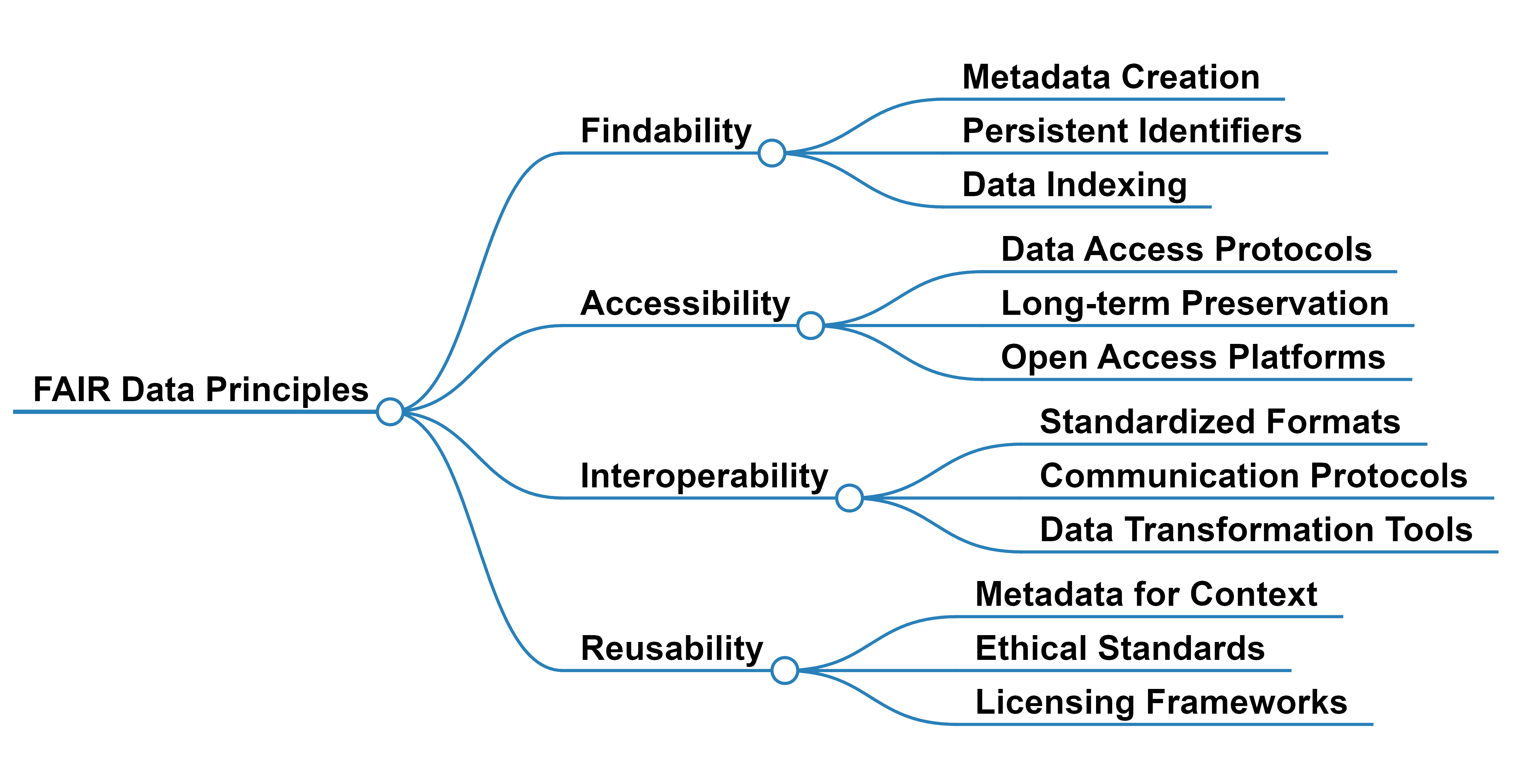
실험 결과
연구 질문
- RQ1FAIR 데이터 원칙을 LLM 훈련 수명주기 전반에 어떻게 내재시킬 수 있는가?
- RQ2FAIR-준수 데이터셋이 LLM의 편향 탐지 및 완화에 어떤 실용적 이점을 제공하는가?
- RQ3다수의 작업에서 편향 제거가 모델 성능에 미치는 영향은 무엇인가?
- RQ4데이터셋과 모델을 어떻게 문서화하여 발견성, 접근성, 상호운용성 및 재사용성을 극대화할 수 있는가?
주요 결과
- LLM 데이터 관리를 위한 포괄적이고 FAIR 정렬된 프레임워크와 실용적인 체크리스트가 제안된다.
- 메타데이터, 상호운용성 형식 및 장기 접근성을 갖춘 FAIR-준수 편향 중심 데이터셋의 생성이 사례 연구로 입증된다.
- FAIR 데이터세트로 학습된 모델은 작업 전반에서 높은 초기 성능을 보이며(표 5의 예시 지표).
- LLama 2B 및 관련 프로세스로 편향 제거가 독성 및 편향 점수를 감소시키지만 편향 제거된 데이터에서 일부 분류 성능이 감소할 수 있어 트레이드오프를 보여준다.
- 연구는 재현성과 재사용성을 지원하기 위해 투명성, 모델 카드 및 공개 이용 가능성을 강조한다.
이 논문 읽기
누빈트 뷰어에서 원문을 열고, 읽으면서 궁금한 곳을 바로 물어보세요.
누빈트에서 이 논문 읽기이 리뷰는 AI가 논문 원문을 바탕으로 만들었습니다. 인용하기 전에 원문을 확인해 주세요.