
[논문 리뷰] IDQL: Implicit Q-Learning as an Actor-Critic Method with Diffusion Policies
이 논문은 IQL을 행위자-비평가로 재해석하고 일반화된 비평가 손실을 도입하며, 확산 기반 정책 추출(IDQL)을 제시하고 오프라인 RL 벤치마크에서 최첨단 결과와 강건한 하이퍼파라미터 동작을 보인다.
Effective offline RL methods require properly handling out-of-distribution actions. Implicit Q-learning (IQL) addresses this by training a Q-function using only dataset actions through a modified Bellman backup. However, it is unclear which policy actually attains the values represented by this implicitly trained Q-function. In this paper, we reinterpret IQL as an actor-critic method by generalizing the critic objective and connecting it to a behavior-regularized implicit actor. This generalization shows how the induced actor balances reward maximization and divergence from the behavior policy, with the specific loss choice determining the nature of this tradeoff. Notably, this actor can exhibit complex and multimodal characteristics, suggesting issues with the conditional Gaussian actor fit with advantage weighted regression (AWR) used in prior methods. Instead, we propose using samples from a diffusion parameterized behavior policy and weights computed from the critic to then importance sampled our intended policy. We introduce Implicit Diffusion Q-learning (IDQL), combining our general IQL critic with the policy extraction method. IDQL maintains the ease of implementation of IQL while outperforming prior offline RL methods and demonstrating robustness to hyperparameters. Code is available at https://github.com/philippe-eecs/IDQL.
연구 동기 및 목표
- IQL 비평가가 유도하는 정책에 대한 더 깊은 개념적 이해를 제공한다.
- IQL 비평가 손실을 일반화하여 명시적 암묵적 행위자에 맵핑한다.
- 암묵적 행위자를 근사하기 위한 확산 기반의 표현적 정책 추출 방법을 제안한다.
- 다양한 도메인에서 강한 오프라인 RL 성능과 하이퍼파라미터에 대한 강건성을 입증한다.
- IDQL의 온라인 미세튜닝 효과와 실용적 적용 가능성을 보여준다.
제안 방법
- Q(s,a)-V(s)에 대한 임의의 볼록 손실 f에 대해 IQL 비평가 목표를 일반화한다.
- 암묵적 행위자를 pi_imp(a|s)가 mu(a|s)와 f 및 Q-V에서 도출된 가중치 w(s,a)에 비례해 비례하는 방식으로 특징짓는다.
- 다른 f(적분치예, 분위수, 지수법)가 정리 4.1을 통해 서로 다른 암묵적 정책을 어떻게 유도하는지 도출한다.
- 정책 추출은 확산 기반 행동 모델 mu_phi(a|s)에서 샘플링하고 비평가에서 도출된 가중치로 재가중하여 pi_imp를 근사하는 방식으로 제안한다.
- 행동 정책을 모델링하기 위해 확산 모델(DDPM 목표)을 사용하고 재가중 기반 샘플링을 통해 정책 추출을 수행한다.
- 실용적인 온라인 미세튜닝 경로와 효율적인 분리된 비평가-훈련 regime을 제공한다.
실험 결과
연구 질문
- RQ1다른 볼록 손실 f 하에서 IQL 비평가가 암묵적으로 어떤 정책을 나타내는가?
- RQ2비평가 학습으로 유도된 암묵적 행위자를 충실히 근사하는 명시적 정책을 어떻게 추출할 수 있는가?
- RQ3확산 기반 정책 추출이 복합적 암묵적 행위자를 표현하는 데 단일 모드 가우시안 추출보다 우수한가?
- RQ4IDQL은 한 도메인에서의 제한된 하이퍼파라미터 튜닝으로도 다른 최첨단 방법에 비해 오프라인 RL 벤치마크에서 어떤 성능을 보이는가?
- RQ5정책 추출 구조(확산)가 견고성과 온라인 미세튜닝 성능에 미치는 영향은 무엇인가?
주요 결과
- IDQL은 D4RL 벤치마크에서 기존 오프라인 RL 방법들을 능가하며, 강력한 안마즈(antmaze) 결과와 경쟁력 있는 로봖션 성능을 보인다.
- 도메인당 하나의 하이퍼파라미터 튜닝으로 제한하더라도 IDQL은 강한 성능을 유지하며 종종 IQL 및 확산 기반 베이스라인보다 우수하다.
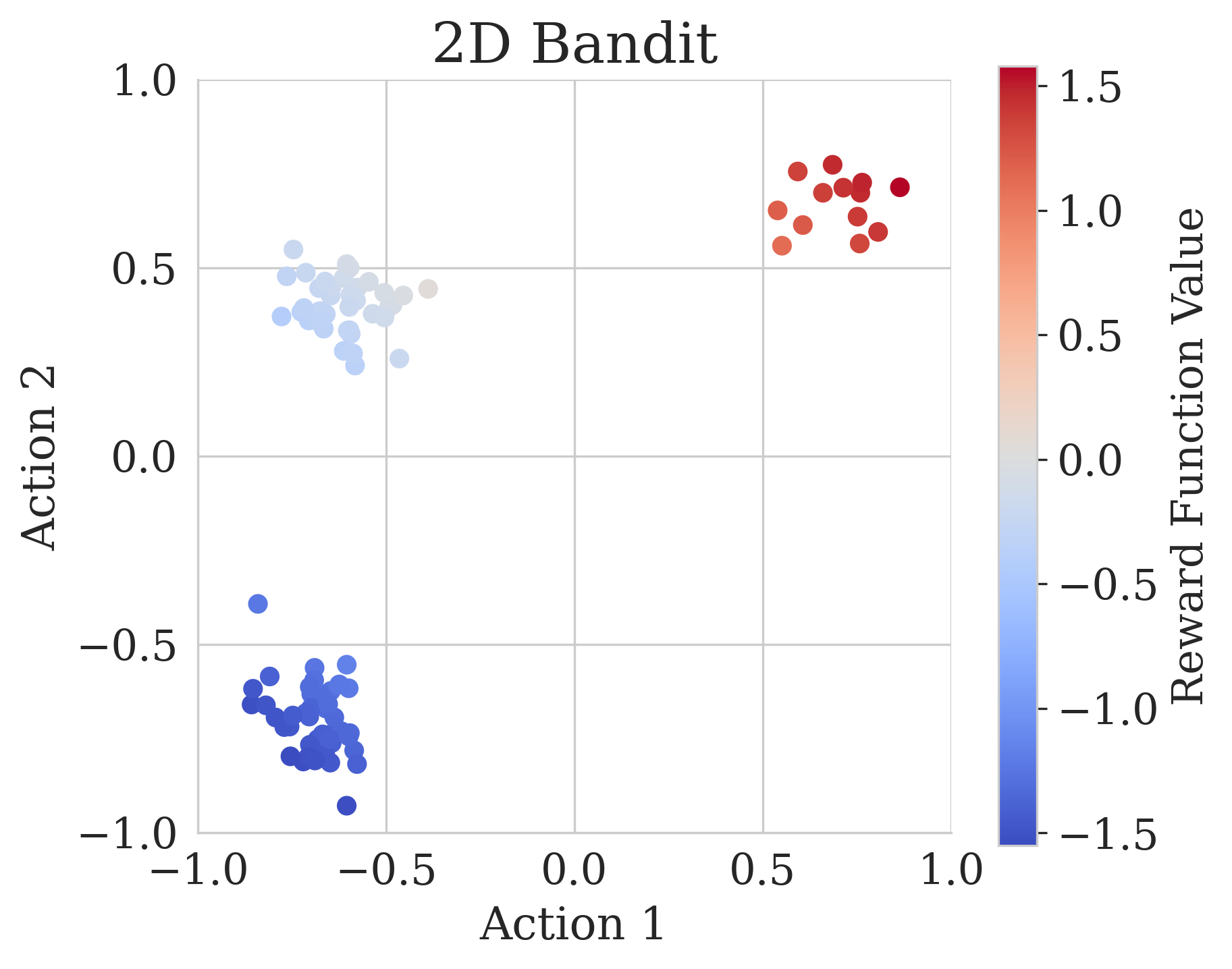
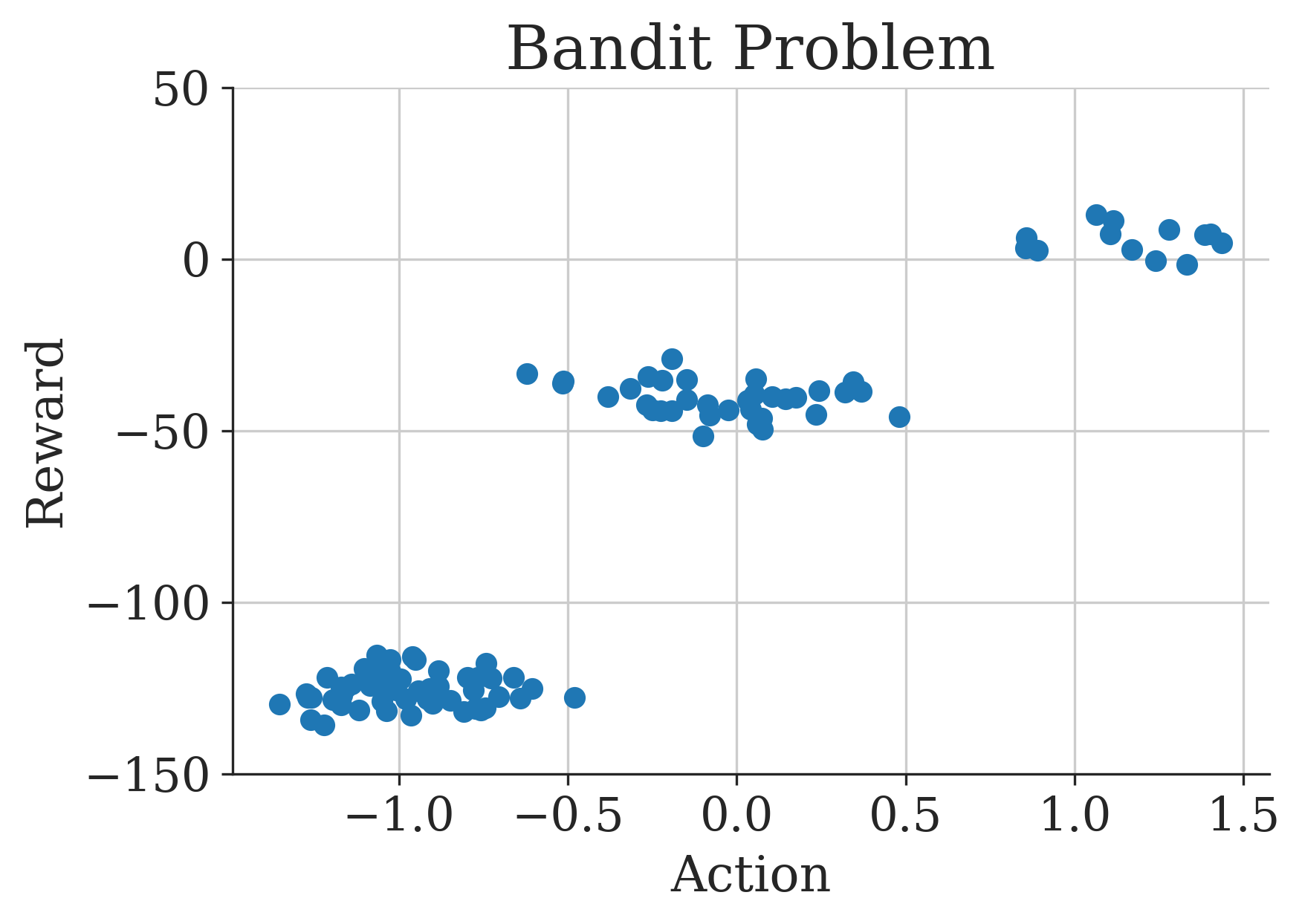
- IQL에 의해 유도된 암묵적 행위자는 복잡하거나 다모드일 수 있어 단일 모드 가우시안 추출이 적합하지 않다.
- 확산 기반 정책 추출은 암묵적 행위자를 정확히 근사하고 하이퍼파라미터에 대한 강건성을 향상시킨다.
- 온라인 미세튜닝 결과는 특히 어려운 antmaze 작업에서 기존 방법에 비해 상당한 이점을 보여준다.
- 아키텍처 선택(예: LN_Resnet 기반 확산)이 샘플 수 N에 대한 민감도를 크게 줄이고 샘플 품질을 향상시킨다.
이 논문 읽기
누빈트 뷰어에서 원문을 열고, 읽으면서 궁금한 곳을 바로 물어보세요.
누빈트에서 이 논문 읽기이 리뷰는 AI가 논문 원문을 바탕으로 만들었습니다. 인용하기 전에 원문을 확인해 주세요.