
[논문 리뷰] Introduction to Transformers: an NLP Perspective
이 논문은 기본 Transformer 아키텍처, 주요 개선 사항 및 응용을 소개하며, NLP 관점에서 Transformer 모델의 핵심 아이디어, 강점 및 한계를 요약합니다.
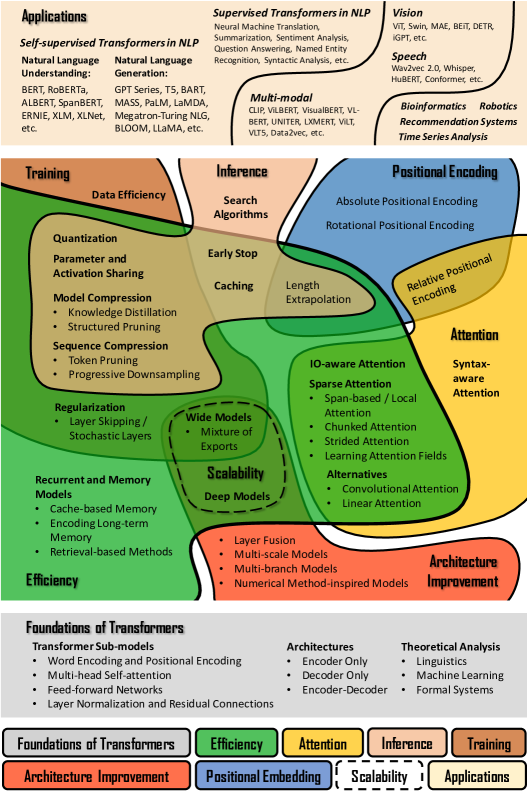
Transformers have dominated empirical machine learning models of natural language processing. In this paper, we introduce basic concepts of Transformers and present key techniques that form the recent advances of these models. This includes a description of the standard Transformer architecture, a series of model refinements, and common applications. Given that Transformers and related deep learning techniques might be evolving in ways we have never seen, we cannot dive into all the model details or cover all the technical areas. Instead, we focus on just those concepts that are helpful for gaining a good understanding of Transformers and their variants. We also summarize the key ideas that impact this field, thereby yielding some insights into the strengths and limitations of these models.
연구 동기 및 목표
- 표준 Transformer 인코더–디코더 아키텍처와 그 하위 계층(자체-attention, FFN, 레이어 노름) 및 위치 인코딩의 사용 방법 설명.
- NLP 작업에서 효율성, 확장성 및 성능을 개선하는 주요 정제 및 변형을 조사.
- 대표적 응용(언어 모델링, 텍스트 인코딩, 번역, 다중 모달 모델) 및 실용적 트레이드오프를 요약합니다.
제안 방법
- 자체-attention, FFN, 교차-attention에 대한 방정식과 함께 Transformer 아키텍처와 하위 계층을 설명합니다.
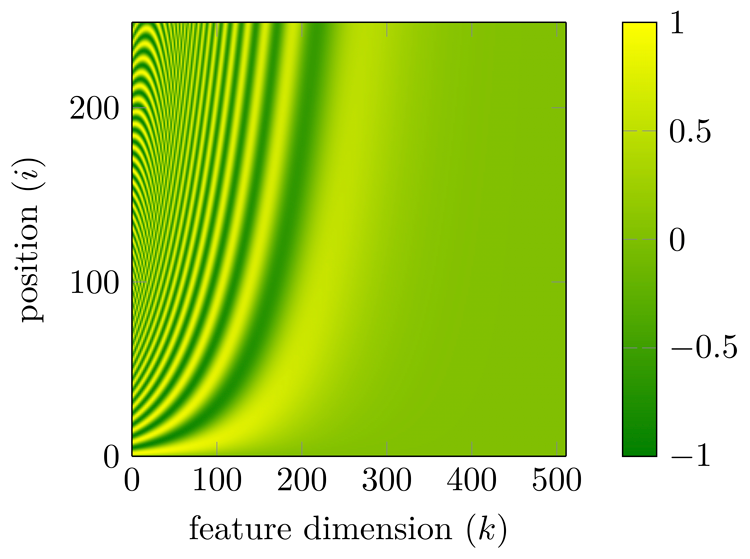
- SINUSOIDAL 절대 인코딩을 포함한 위치 인코딩과 입력 표현에서의 역할을 설명합니다.
- 다중-헤드 어텐션, QKV 공식화, 그리고 다중 헤드의 타당성을 도입합니다.
- 훈련/추론 워크플로우 및 프리-노름 vs 포스트-노름 잔차 구조를 논의합니다.
- 인코더/디코더 모듈의 매개변수 수와 시간 복잡도 표를 제시하여 효율성 고려를 설명합니다.
실험 결과
연구 질문
- RQ1핵심 Transformer 인코더–디코더 아키텍처는 무엇이며 주요 하위 계층은 어떻게 계산되나요?
- RQ2위치 인코딩이 Transformer에서 시퀀스 순서를 어떻게 가능하게 하나요?
- RQ3NLP 시스템에서 Transformer 구성요소의 실용적 효율성 고려사항(매개변수, 시간 복잡도)은 무엇인가요?
- RQ4어떤 변형 및 정제가 Transformer 모델을 다양한 NLP 작업에 대해 개선해 왔나요?
- RQ5설문 조사에서 설명된 Transformer 기반 모델의 일반적인 응용 및 한계는 무엇인가요?
주요 결과
- Transformer 인코더와 디코더는 자체-attention과 피드포워드 네트워크로 구성된 계층을 중첩 사용하며, 레이어 노름과 잔차 연결을 포함합니다.
- 다중-헤드 어텐션(QKV)은 여러 서브스페이스에서 학습을 가능하게 하여 글로벌 컨텍스트 모델링을 향상시킵니다.
- 사인파 위치 인코딩은 임베딩에 절대 위치 정보를 제공하여 시퀀스 모델링을 돕습니다.
- 프리-노름 vs 포스트-노름 아키텍처는 최적화 및 표현 학습에서 상호 보완적인 트레이드오프를 가집니다.
- 더 큰 은닉 크기(예: dffn ~ 4d)의 FFN은 실제 성능을 향상시키지만 매개변수 수를 증가시킵니다.
- 요약된 매개변수/시간 복잡도 표가 인코더 및 디코더 모듈 전반의 계산 병목 지점을 강조합니다.
이 논문 읽기
누빈트 뷰어에서 원문을 열고, 읽으면서 궁금한 곳을 바로 물어보세요.
누빈트에서 이 논문 읽기이 리뷰는 AI가 논문 원문을 바탕으로 만들었습니다. 인용하기 전에 원문을 확인해 주세요.