
[논문 리뷰] Large Language Models for Supply Chain Optimization
본 논문은 기업 비공개 데이터를 유출하지 않으면서 LLM과의 맥락 학습(in-context learning)을 활용해 인간 질의를 최적화 코드로 번역하고, 솔버를 실행하며, 공급망 의사결정에 대한 결과를 설명하는 OptiGuide 프레임워크를 제시합니다.
Supply chain operations traditionally involve a variety of complex decision making problems. Over the last few decades, supply chains greatly benefited from advances in computation, which allowed the transition from manual processing to automation and cost-effective optimization. Nonetheless, business operators still need to spend substantial efforts in explaining and interpreting the optimization outcomes to stakeholders. Motivated by the recent advances in Large Language Models (LLMs), we study how this disruptive technology can help bridge the gap between supply chain automation and human comprehension and trust thereof. We design OptiGuide -- a framework that accepts as input queries in plain text, and outputs insights about the underlying optimization outcomes. Our framework does not forgo the state-of-the-art combinatorial optimization technology, but rather leverages it to quantitatively answer what-if scenarios (e.g., how would the cost change if we used supplier B instead of supplier A for a given demand?). Importantly, our design does not require sending proprietary data over to LLMs, which can be a privacy concern in some circumstances. We demonstrate the effectiveness of our framework on a real server placement scenario within Microsoft's cloud supply chain. Along the way, we develop a general evaluation benchmark, which can be used to evaluate the accuracy of the LLM output in other scenarios.
연구 동기 및 목표
- 공급망 최적화와 인간의 이해 및 신뢰 사이의 간극을 메우다.
- 독점 데이터를 노출하지 않으면서 일반 텍스트 질의를 최적화 워크플로우로 번역하기 위해 LLM 활용.
- 전통적 최적화 솔버와 LLM을 통합하여 what-if 분석을 가능하게 한다.
- 공급망에서의 LLM 기반 설명 가능성에 대한 평가 벤치마크를 제공한다.
- 실제 마이크로소프트 Azure 서버 배치 시나리오에서의 배치를 시연한다.
제안 방법
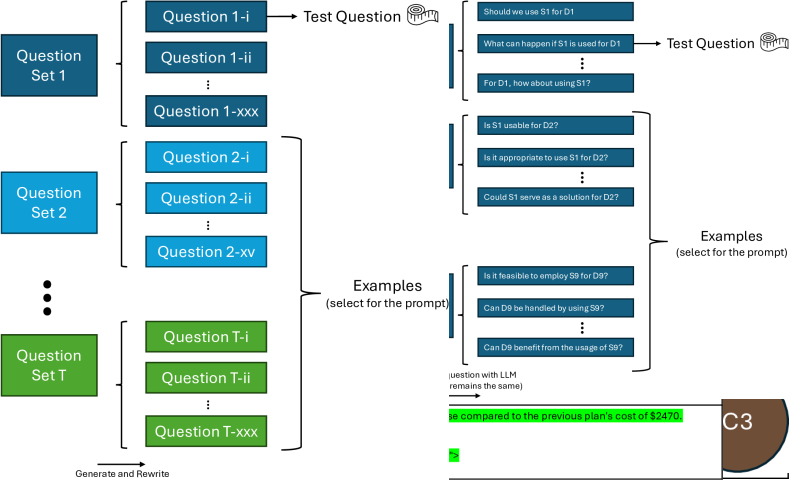
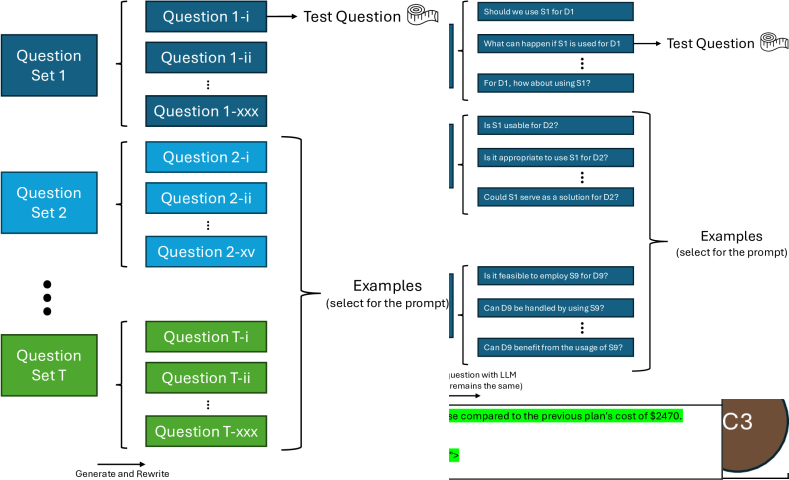
- 재학습 없이 프롬프트를 통해 LLM에 도메인 개념을 가르치기 위해 맥락 학습(in-context learning)을 활용한다.
- LLM이 최적화 솔버(예: Gurobi) 또는 데이터베이스와 연동하여 결과를 얻는 코드를 생성하게 한다.
- 출력 실수를 감지하고 복구하기 위한 안전장치를 도입한다.
- 해석기를 통해 질의 결과를 처리하여 사람들에게 이해하기 쉬운 설명과 시각화를 생성한다.
- 로그를 사용해 질의를 반복적으로(2-5회) 정제하여 최종 답에 도달한다.
- 데이터 프라이버시를 보존하기 위해 애플리케이션별 구성요소를 갖춘 모듈형 아키텍처를 배포한다.
실험 결과
연구 질문
- RQ1LLM이 공급망 문제의 최적화 결과에 대해 정확하고 사람에게 읽기 쉬운 설명을 제공할 수 있는가?
- RQ2LLM이 질의를 최적화 입력으로 재구성하여 what-if 분석을 얼마나 효과적으로 수행할 수 있는가?
- RQ3프롬프트 설계, 예시 선택, 모델 선택이 설명 가능성 정확도에 어떤 영향을 미치는가?
- RQ4해석을 위해 외부 LLM을 활용하면서 OptiGuide가 데이터 프라이버시를 어떻게 보존할 수 있는가?
- RQ5실제 Azure 서버 배치 배포에서 OptiGuide의 성능은 어떠한가?
주요 결과
- OptiGuide는 GPT-4를 사용한 평가 벤치마크에서 평균 93%의 정확도를 달성했다.
- 프레임워크는 도메인 데이터를 솔버나 데이터베이스에 보관하고 LLM로 절대 보내지 않음으로써 프라이버시를 보존한다.
- 평가에는 다양한 프롬프트 전략과 예시 크기로의 분포 내외 시나리오가 포함된다.
- 실제 Azure 배포에서 기획자와 엔지니어의 긍정적 피드백과 분포 내 정확도 90% 이상을 보였다.
- 벤치마크와 방법론은 공급망에서의 LLM 기반 설명 가능성에 대한 향후 평가를 가능하게 한다.
이 논문 읽기
누빈트 뷰어에서 원문을 열고, 읽으면서 궁금한 곳을 바로 물어보세요.
누빈트에서 이 논문 읽기이 리뷰는 AI가 논문 원문을 바탕으로 만들었습니다. 인용하기 전에 원문을 확인해 주세요.