
[논문 리뷰] LLMSat: A Large Language Model-Based Goal-Oriented Agent for Autonomous Space Exploration
이 논문은 LLM 기반의 에이전트 컨트롤러인 LLMSat을 제안하며, Kerbal Space Program 시뮬레이션에서 프롬프트 기반 추론을 사용해 목표 지향적 의사결정을 평가한다. LLM의 임무 복잡도에 따른 확장성 한계에도 불구하고 전략적 프롬프팅과 제어된 권한 수준을 통해 신뢰할 수 있는 임무 실행이 가능함을 입증하며, 향후 태양계 간 탐사의 자율성에 LLM이 유망한 가능성을 보여준다. 인간이 개입하는 감시 환경에서의 적용 가능성을 확인하였다.
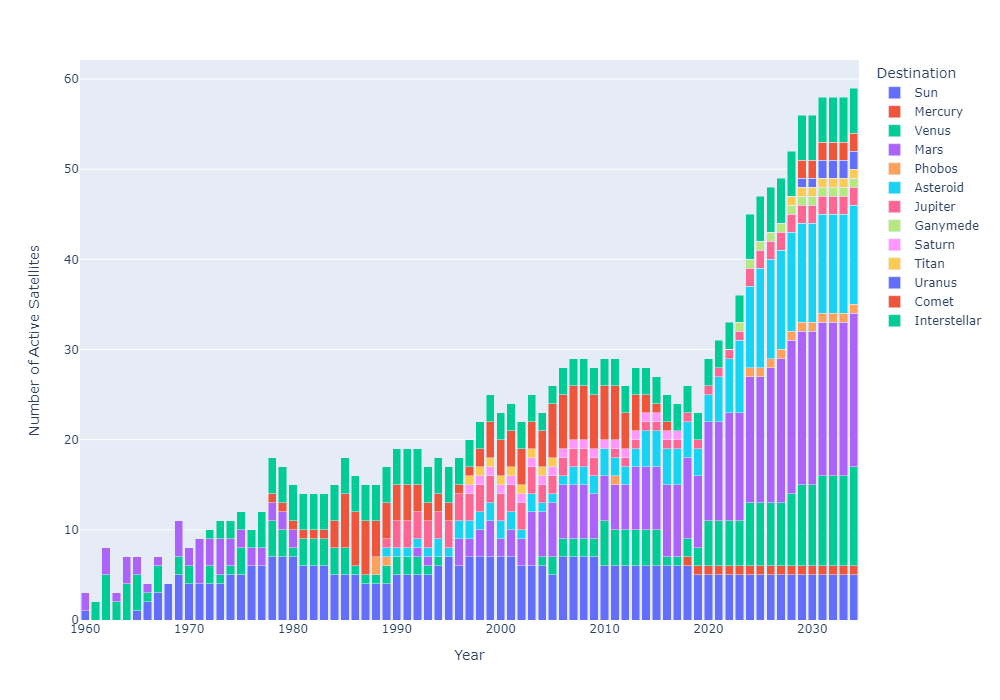
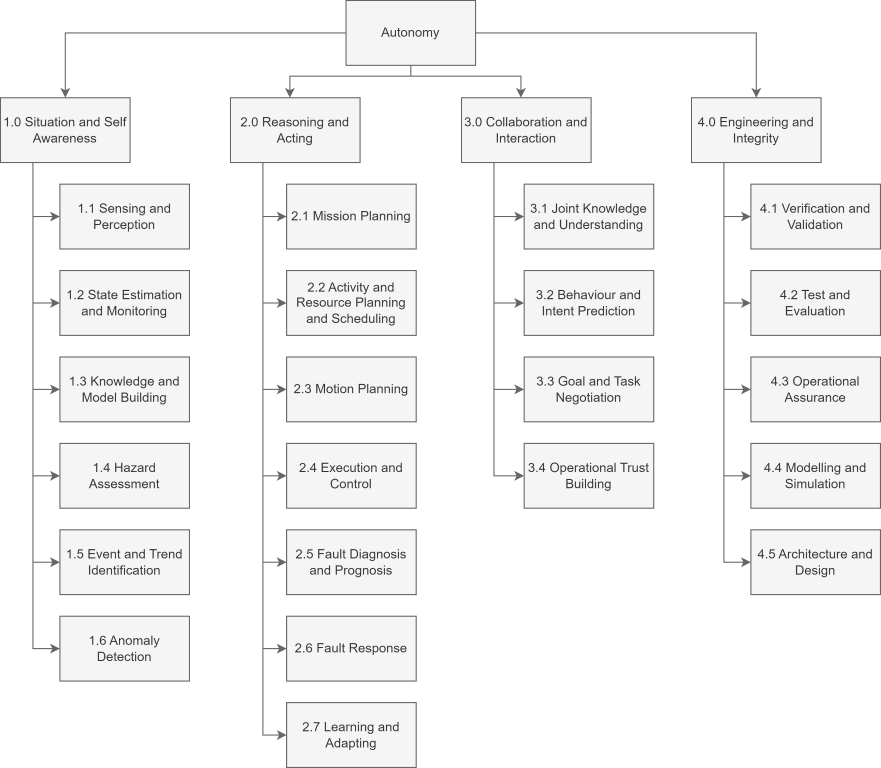
As spacecraft journey further from Earth with more complex missions, systems of greater autonomy and onboard intelligence are called for. Reducing reliance on human-based mission control becomes increasingly critical if we are to increase our rate of solar-system-wide exploration. Recent work has explored AI-based goal-oriented systems to increase the level of autonomy in mission execution. These systems make use of symbolic reasoning managers to make inferences from the state of a spacecraft and a handcrafted knowledge base, enabling autonomous generation of tasks and re-planning. Such systems have proven to be successful in controlled cases, but they are difficult to implement as they require human-crafted ontological models to allow the spacecraft to understand the world. Reinforcement learning has been applied to train robotic agents to pursue a goal. A new architecture for autonomy is called for. This work explores the application of Large Language Models (LLMs) as the high-level control system of a spacecraft. Using a systems engineering approach, this work presents the design and development of an agentic spacecraft controller by leveraging an LLM as a reasoning engine, to evaluate the utility of such an architecture in achieving higher levels of spacecraft autonomy. A series of deep space mission scenarios simulated within the popular game engine Kerbal Space Program (KSP) are used as case studies to evaluate the implementation against the requirements. It is shown the reasoning and planning abilities of present-day LLMs do not scale well as the complexity of a mission increases, but this can be alleviated with adequate prompting frameworks and strategic selection of the agent's level of authority over the host spacecraft. This research evaluates the potential of LLMs in augmenting autonomous decision-making systems for future robotic space applications.
연구 동기 및 목표
- 대규모 언어 모델(LLM)을 자율 우주선 제어를 위한 고수준 추론 엔진으로 사용할 수 있는지 타당성을 탐색한다.
- 심층 우주 임무에서 지상 통제에 대한 의존도를 줄이고, 우주선 내부에서 목표 지향적 의사결정을 가능하게 한다.
- 실제 제약 조건을 반영한 복잡하고 동적인 우주 임무 시나리오에서 LLM의 성능을 평가한다.
- LLM 추론의 확장성 한계를 규명하고, 프롬프팅 및 권한 제어를 통한 완화 전략을 제안한다.
- 시스템 공학적 접근을 통해 LLM을 우주선 자율성 아키텍처에 통합하는 프레임워크를 수립한다.
제안 방법
- 대규모 언어 모델(LLM)을 중심 추론 엔진으로 사용해 에이전트 기반 우주선 컨트롤러를 설계 및 구현한다.
- LLM이 임무 동작을 생성하고, 우주선 상태를 해석하며, 임무 목표를 추론하도록 이끄는 맞춤형 프롬프트 템플릿을 개발한다.
- kRPC API를 사용해 Kerbal Space Program(KSP)에서 실시간으로 우주선 상호작용을 수행하며, 세 가지 시나리오—기본 운영, 고급 운영, 달성 불가능한 목표—를 시뮬레이션한다.
- 시스템 안전성과 추적 가능성을 확보하기 위해 정의된 에이전트 역할, 메모리 관리, 명령 실행 프rotocol를 포함한 위험 인식 아키텍처를 구현한다.
- LLM의 추론 및 동작 선택을 향상시키기 위해 체인 오브 톰(Chain-of-Thought, CoT) 및 ReAct(Reason + Act) 프롬프팅 프레임워크를 적용한다.
- LLM이 시스템 장애나 해결 불가능한 상태를 감지할 경우 지상 통제와의 통신을 가능하게 하는 메시지 전송 기능을 통합한다.
실험 결과
연구 질문
- RQ1LLM 기반 에이전트는 최소한의 인간 간섭으로 복잡한 태양계 간 임무 목표를 성공적으로 계획하고 실행할 수 있는가?
- RQ2임무 복잡도가 증가함에 따라 LLM의 자율 우주선 제어 성능은 어떻게 저하되며, 이를 완화할 수 있는 방법은 무엇인가?
- RQ3전략적 프롬프팅과 권한 수준 할당이 LLM의 신뢰성 및 임무 성공률 향상에 어떤 역할을 하는가?
- RQ4LLM은 잘못된 궤도 노드 생성과 같은 시스템 장애를 얼마나 효과적으로 감지하고 대응할 수 있는가?
- RQ5손수 작성된 온톨로지가 필요 없이 LLM이 우주 임무 자율성에서 상징적 추론 시스템을 얼마나 효과적으로 대체할 수 있는가?
주요 결과
- LLM은 KSP에서 기본 및 고급 운영 임무, 예를 들어 궤도 삽입 및 착륙 계획을 성공적으로 수행하며 목표 지향적 추론의 기능성을 입증했다.
- 복잡한 시나리오에서는 LLM이 상태 해석 및 동작 계획에서 실패를 보였으며, 예를 들어 음수의 페리아포시스 고도를 생성함으로써 한계를 드러냈다.
- 전략적 프롬프팅과 제어된 권한 수준이 안전하지 않거나 비논리적인 동작을 줄이며 임무 성공률을 크게 향상시켰다.
- LLM은 시스템 장애를 정확히 감지하고 지상 통제와의 연락을 시작하여, 필요 시 문제를 승격시키는 능력을 보였다.
- 시스템은 임무 실행에 대해 측정 가능한 성공률을 달성했지만, 복잡도 증가에 따라 성능 저하가 발생함을 확인했으며, 이는 강력한 프롬프팅 프레임워크의 필요성을 강조한다.
- 연구 결과에 따르면 LLM은 인간 감시와 함께 구조화된 프롬프팅을 통해 우주선 자율성의 유력한 고수준 컨트롤러로 활용될 수 있음을 확인했다.
이 논문 읽기
누빈트 뷰어에서 원문을 열고, 읽으면서 궁금한 곳을 바로 물어보세요.
누빈트에서 이 논문 읽기이 리뷰는 AI가 논문 원문을 바탕으로 만들었습니다. 인용하기 전에 원문을 확인해 주세요.