
[논문 리뷰] Loss Functions and Metrics in Deep Learning
포괄적인 손실 함수 및 성능 지표의 조사로 회귀, 분류, 물체 검출, 분할, 얼굴 인식, 이미지 생성 등 일반 딥러닝 과제에서의 특성, 장점, 한계 및 일반적 활용 사례를 상세히 설명한다.
This paper presents a comprehensive review of loss functions and performance metrics in deep learning, highlighting key developments and practical insights across diverse application areas. We begin by outlining fundamental considerations in classic tasks such as regression and classification, then extend our analysis to specialized domains like computer vision and natural language processing including retrieval-augmented generation. In each setting, we systematically examine how different loss functions and evaluation metrics can be paired to address task-specific challenges such as class imbalance, outliers, and sequence-level optimization. Key contributions of this work include: (1) a unified framework for understanding how losses and metrics align with different learning objectives, (2) an in-depth discussion of multi-loss setups that balance competing goals, and (3) new insights into specialized metrics used to evaluate modern applications like retrieval-augmented generation, where faithfulness and context relevance are pivotal. Along the way, we highlight best practices for selecting or combining losses and metrics based on empirical behaviors and domain constraints. Finally, we identify open problems and promising directions, including the automation of loss-function search and the development of robust, interpretable evaluation measures for increasingly complex deep learning tasks. Our review aims to equip researchers and practitioners with clearer guidance in designing effective training pipelines and reliable model assessments for a wide spectrum of real-world applications.
연구 동기 및 목표
- 딥러닝 모델의 학습 및 평가에서 손실 함수와 성능 지표의 역할 설명.
- 주요 작업에서 일반적인 손실 함수와 지표를 카탈로그화하고 비교.
- 적절한 손실 및 지표를 선택할 때의 강점, 한계 및 실용적 고려사항 강조.
제안 방법
- 회귀, 분류, 물체 검출, 분할, 얼굴 인식 및 이미지 생성을 가로질러 널리 사용되는 손실 함수를 체계적으로 검토.
- 수학적 정의, 특성(볼록성, 미분가능성, 강건성 등), 그리고 일반적 사용 사례 요약.
- 실무에서 각 손실 함수 및 지표를 언제 사용하는지에 대한 비교 지침 제공.
실험 결과
연구 질문
- RQ1핵심 딥러닝 작업에서 가장 널리 사용되는 손실 함수 및 성능 지표는 무엇인가?
- RQ2손실 함수의 특성(예: 볼록성, 미분가능성, 강건성)이 다양한 문제에 대한 적합도에 어떤 영향을 미치는가?
- RQ3회귀, 분류, 물체 검출, 분할 및 생성 작업에서 적합한 손실 및 지표를 선택하기 위한 실무자용 가이드는 무엇인가?
- RQ4일반적인 손실 함수 및 평가 지표와 관련된 한계 및 트레이드오프는 무엇인가?
- RQ5훈련 목표와 모델 평가 간에 손실 함수와 지표가 어떻게 다른가?
주요 결과
- 회귀, 분류, 물체 검출, 분할, 얼굴 인식, 이미지 생성 손실 및 지표의 포괄적 분류 체계 제공.
- 학습에 사용되는 손실 함수와 평가에 사용되는 지표의 구분 명확화.
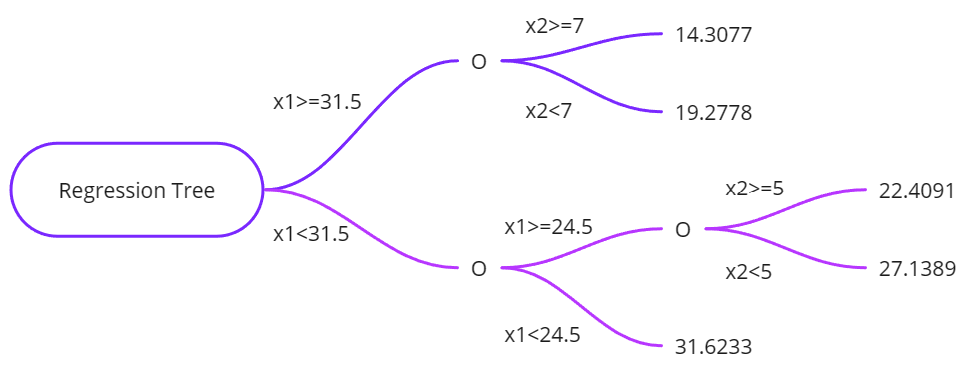
- 주요 손실의 핵심 특성과 트레이드오프 개요(MSE, MAE, Huber, cross-entropy, focal loss, IoU 기반 손실, Dice/Tversky, PSNR/SSIM/FID 등).
- Poisson 회귀, 분위수 회귀, 카운트 데이터용 Poisson 손실 등 작업에 특화된 손실에 대한 논의 포함.
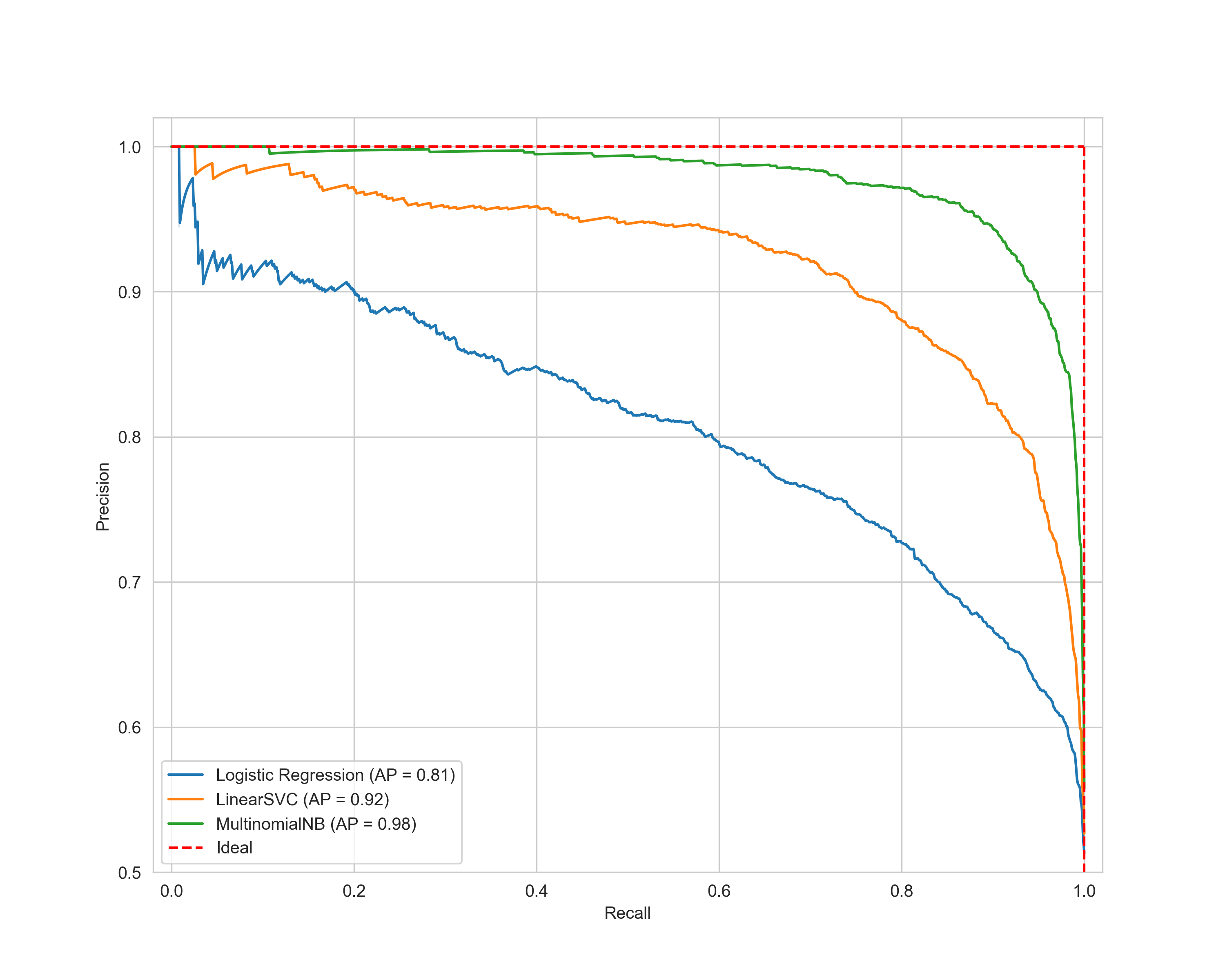
- 널리 사용되는 평가 지표(RMSE, MAPE, SMAPE, R², 정확도, 정밀도, 재현율, AUC-ROC, AP, AR, PQ 등)와 그 적용성 및 한계 요약.
이 논문 읽기
누빈트 뷰어에서 원문을 열고, 읽으면서 궁금한 곳을 바로 물어보세요.
누빈트에서 이 논문 읽기이 리뷰는 AI가 논문 원문을 바탕으로 만들었습니다. 인용하기 전에 원문을 확인해 주세요.