
[논문 리뷰] Modeling Sustainable Resource Management using Active Inference
이 논문은 자유 에너지 최소화를 통해 즉각적인 필요를 장기적 자원 가용성과 균형 잡히게 하는 에이전트가 학습하는 방식으로 지속 가능한 자원 관리의 계산 모델을 제안한다. 동적인 환경에서 에이전트는 즉각적인 만족을 저지하고 지속 가능성을 확보하기 위해 유연하고 적응적인 행동을 보이며, 활동적 추론이 학습과 믿음 갱신을 통해 생태적으로 타당한 의사결정 전략을 생성할 수 있음을 보여준다.
Active inference helps us simulate adaptive behavior and decision-making in biological and artificial agents. Building on our previous work exploring the relationship between active inference, well-being, resilience, and sustainability, we present a computational model of an agent learning sustainable resource management strategies in both static and dynamic environments. The agent's behavior emerges from optimizing its own well-being, represented by prior preferences, subject to beliefs about environmental dynamics. In a static environment, the agent learns to consistently consume resources to satisfy its needs. In a dynamic environment where resources deplete and replenish based on the agent's actions, the agent adapts its behavior to balance immediate needs with long-term resource availability. This demonstrates how active inference can give rise to sustainable and resilient behaviors in the face of changing environmental conditions. We discuss the implications of our model, its limitations, and suggest future directions for integrating more complex agent-environment interactions. Our work highlights active inference's potential for understanding and shaping sustainable behaviors.
연구 동기 및 목표
- 다양한 환경 조건에서 활동적 추론이 에이전트의 지속 가능한 자원 관리 행동을 어떻게 유도할 수 있는지 조사하기.
- 학습과 믿음 갱신이 단기적 필요와 장기적 자원 가용성 사이의 균형을 이루는 데 어떻게 기여하는지 검토하기.
- 자유 에너지 최소화를 통해 에이전트 행동의 복원력과 탄력성이 어떻게 나타나는지 모델링하기.
- 단일 에이전트, 단일 자원 모델이 실제 생태계 복잡성을 포괄하는 데 한계를 보이는 방식을 탐색하기.
- 미래의 다에이전트, 다자원 시스템에 대한 활동적 추론 기반 연구의 기초를 마련하기.
제안 방법
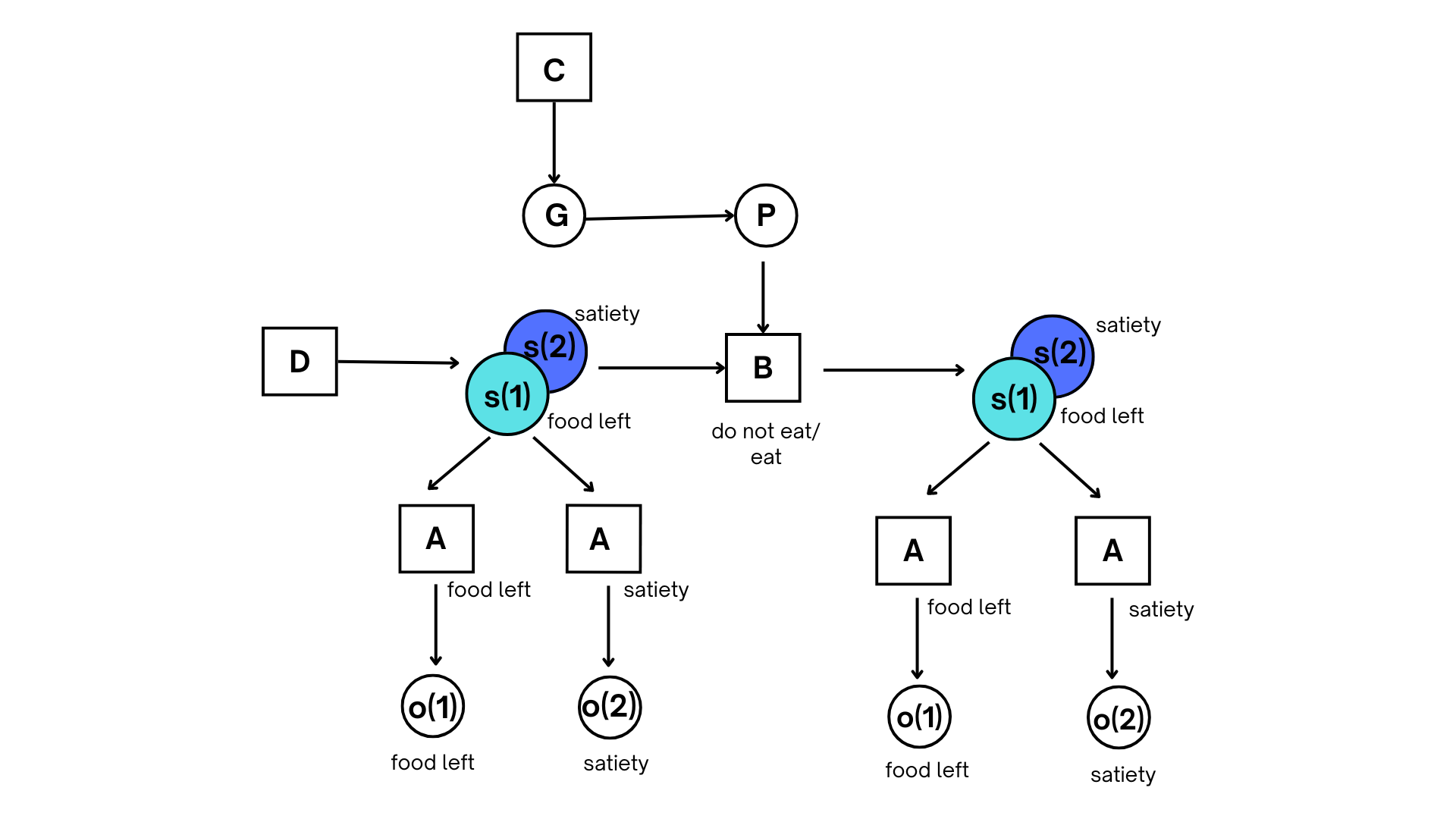
- 에이전트는 사전 선호(예: 굶주림 감소)와 환경에 대한 믿음 사이의 균형을 이루기 위해 변분 자유 에너지를 최소화하는 데 활동적 추론을 사용한다.
- 생성 모델은 자원 고갈 및 재생 속도를 포함한 환경 역학에 대한 에이전트의 믿음을 코딩한다.
- 에이전트의 정책은 베이지안 추론을 통해 최적화되며, 감각 입력과 예측 오차에 기반해 내부 모델을 갱신한다.
- 두 가지 시뮬레이션 케이스를 사용한다: 케이스 1(정적 환경)은 기초 소비 행동을 테스트하며, 케이스 2(동적 환경)는 소비와 자원 재생 간의 피드백을 도입한다.
- 학습은 시간에 따라 정책 최적화를 통해 구현되며, 생존과 지속 가능한 복지 수준에 기반해 성능이 평가된다.
- 정밀도 가중치가 예측 오차에 대한 민감도를 조절하여 환경 변화에 적응 가능한 반응을 가능하게 한다.
실험 결과
연구 질문
- RQ1활동적 추론은 단일 에이전트에서 지속 가능한 소비 행동의 유형을 어떻게 지원할 수 있는가?
- RQ2지속적인 자원 회복이 지연되는 동적 환경 조건에서 학습은 에이전트가 어떻게 적응할 수 있도록 도와주는가?
- RQ3임시적인 자유 에너지 증가(예: 굶주림)는 장기적 지속 가능성에 어떻게 기여하는가?
- RQ4환경적 요동에 노출되었을 때 에이전트 행동은 복원력, 탄력성, 유연성의 어떤 측면을 반영하는가?
- RQ5단일 에이전트, 단일 자원 모델의 한계는 모델의 실제 지속 가능성 문제 적용 가능성에 어떻게 제약을 끼치는가?
주요 결과
- 정적 환경에서는 에이전트가 즉각적인 필요를 충족시키기 위해 자원을 일관되게 소비하며 기초 행동 관성(behavioral inertia)을 보였다.
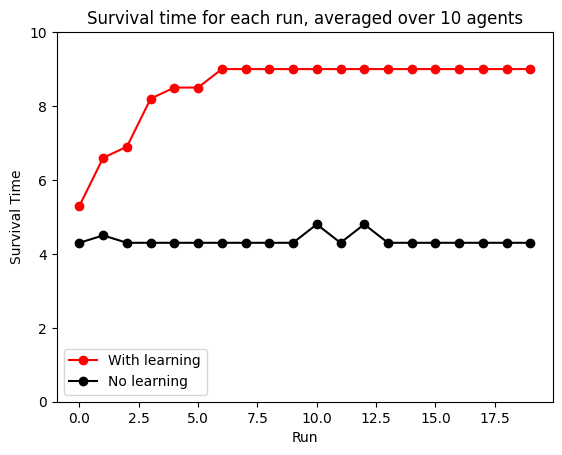
- 동적 환경에서는 에이전트가 소비를 조절하는 방식으로 학습하여 일시적인 자유 에너지 증가(즉, 굶주림)를 견디며 장기적 자원 가용성을 유지한다.
- 정책 길이가 1이고 학습이 없는 경우, 에이전트는 첫 번째 단계 내에 사망한다. 이는 복잡한 환경에서 생존을 위해 학습이 필수적임을 강조한다.
- 학습이 이루어진 경우, 에이전트는 소비와 재생을 균형 잡는 안정적인 전략을 점차 개발하여 장기적 생존을 가능하게 한다.
- 에이전트 행동은 짧은 기간의 불편을 참아내는 탄력성과 새로운 환경 피드백에 대응해 내부 모델을 갱신하는 유연성의 특성을 반영한다.
- 모델는 활동적 추론이 사전 선호와 환경 제약 조건 하에서 자유 에너지 최적화를 통해 지속 가능하고 복원력 있는 행동을 유도할 수 있음을 보여준다.
이 논문 읽기
누빈트 뷰어에서 원문을 열고, 읽으면서 궁금한 곳을 바로 물어보세요.
누빈트에서 이 논문 읽기이 리뷰는 AI가 논문 원문을 바탕으로 만들었습니다. 인용하기 전에 원문을 확인해 주세요.