
[Paper Review] A Philosophical Introduction to Language Models -- Part I: Continuity With Classic Debates
The paper provides a philosophical primer and survey on large language models (LLMs), arguing they challenge traditional assumptions while outlining empirical avenues and setting up Part II on probing inner workings.
Large language models like GPT-4 have achieved remarkable proficiency in a broad spectrum of language-based tasks, some of which are traditionally associated with hallmarks of human intelligence. This has prompted ongoing disagreements about the extent to which we can meaningfully ascribe any kind of linguistic or cognitive competence to language models. Such questions have deep philosophical roots, echoing longstanding debates about the status of artificial neural networks as cognitive models. This article -- the first part of two companion papers -- serves both as a primer on language models for philosophers, and as an opinionated survey of their significance in relation to classic debates in the philosophy cognitive science, artificial intelligence, and linguistics. We cover topics such as compositionality, language acquisition, semantic competence, grounding, world models, and the transmission of cultural knowledge. We argue that the success of language models challenges several long-held assumptions about artificial neural networks. However, we also highlight the need for further empirical investigation to better understand their internal mechanisms. This sets the stage for the companion paper (Part II), which turns to novel empirical methods for probing the inner workings of language models, and new philosophical questions prompted by their latest developments.
Motivation & Objective
- Position LLMs within longstanding debates in philosophy of mind, language, and science.
- Assess whether LLMs can be meaningful models of cognition beyond surface behavior.
- Survey empirical and theoretical evidence relevant to internal mechanisms and knowledge acquisition.
- Framing future research directions and empirical methods for probing LLMs' inner workings.
Proposed method
- Provide an opinionated survey bridging philosophy and LLM technology.
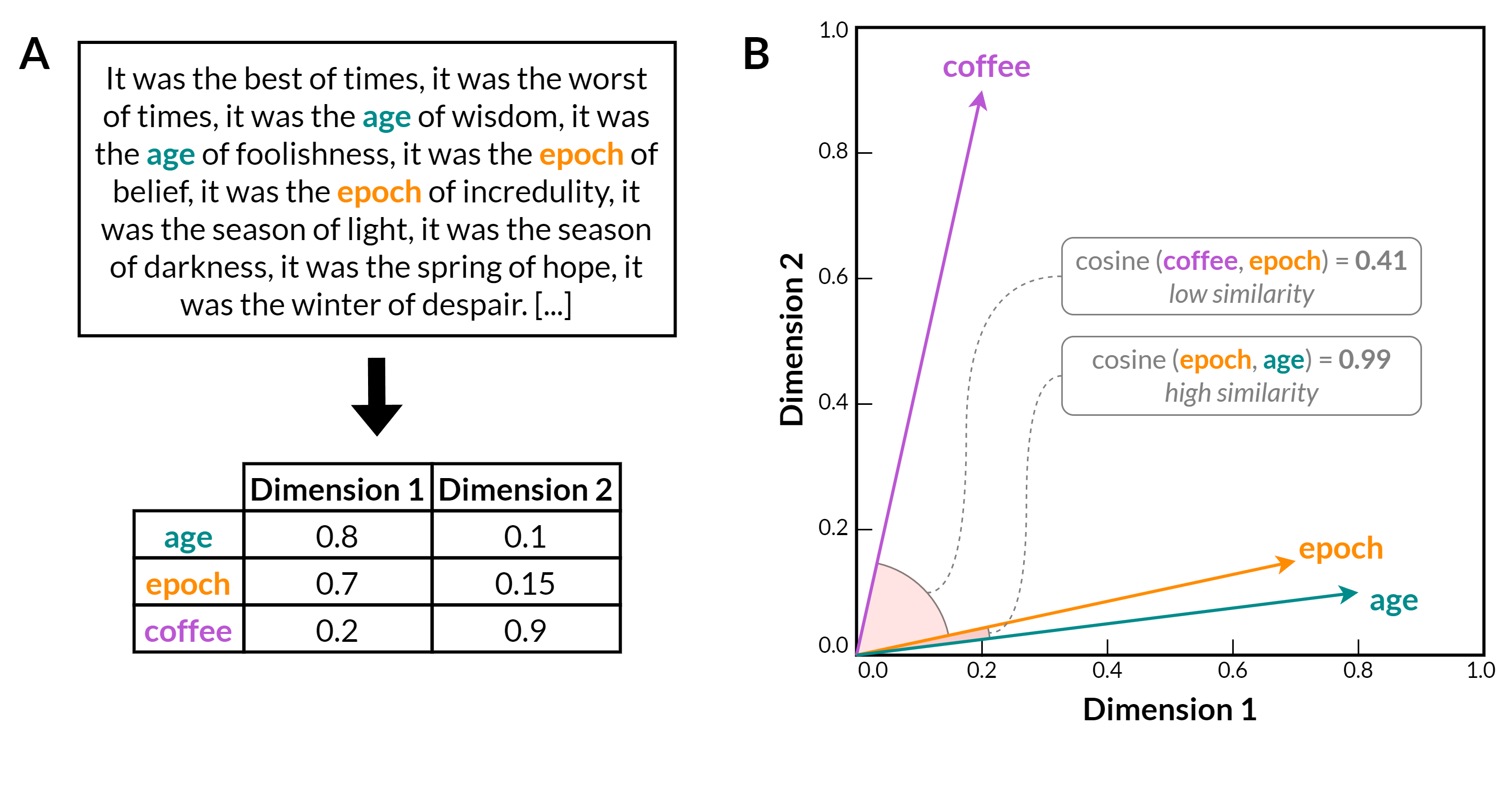
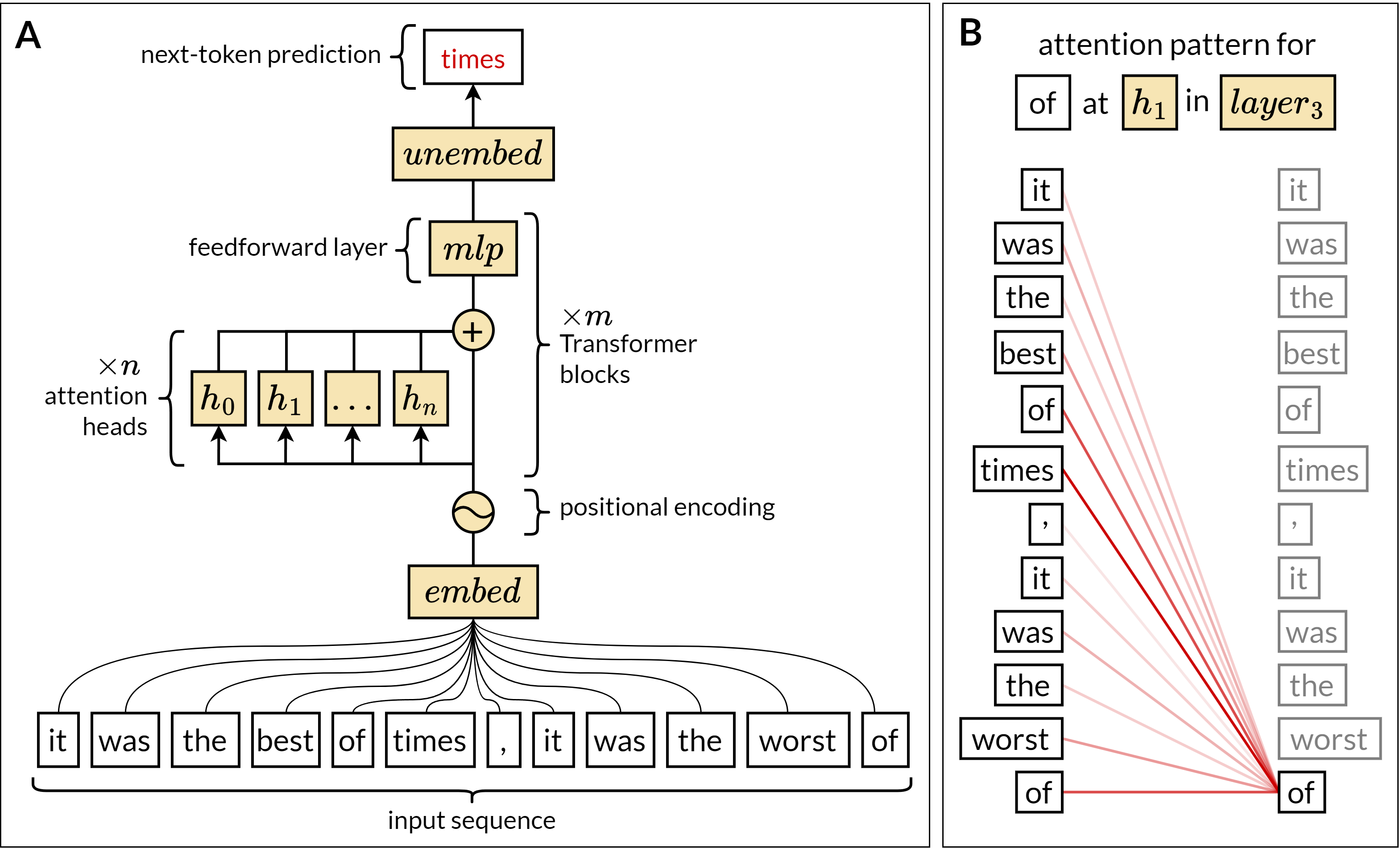
- Highlight historical foundations and key architectures (Transformer, self-attention).
- Discuss empirical evidence and methodological considerations (behavioral benchmarks and probing).
- Introduce the Redescription Fallacy to caution a priori conclusions without evidence.
- Outline how RLHF and in-context learning influence normative uses of LLMs.
- Set stage for Part II, which details novel empirical methods for interrogating internal mechanisms.
Experimental results
Research questions
- RQ1Do LLMs constitute faithful models of human linguistic or cognitive processes beyond surface-level performance?
- RQ2What empirical evidence from architecture, data, and training can arbitrate debates about LLMs as cognitive models?
- RQ3How do techniques like RLHF and in-context learning bear on the normative assessment of LLMs (truthfulness, usefulness, safety)?
- RQ4What methodological approaches can illuminate the internal representations and computations of LLMs beyond behavioral benchmarks?
Key findings
- LLMs challenge long-held assumptions about artificial neural networks as mere Blockheads that memorize rather than reason.
- Empirical and methodological evidence is essential to arbitrate debates about LLMs as cognitive models, not just architectural or data descriptors.
- In-context and few-shot learning, especially in larger models and with RLHF, enable robust zero-shot and few-shot performance.
- There is a need for probing and intervention studies to uncover internal mechanisms, beyond surface benchmarks.
- The paper argues for empirical grounding of philosophy of mind debates using LLM behavior and internal representations, with Part II detailing such methods.
Read this paper
Open the full text in the Nubint reader and ask about any passage as you read.
Read this paper on NubintThis review was generated by AI from the original paper. Please check the paper before citing it.