
[Paper Review] A Philosophical Introduction to Language Models - Part II: The Way Forward
This paper analyzes how to understand LLMs beyond behavior, focusing on mechanistic explainability, intervention methods, and the implications of multimodality, consciousness debates, and reproducibility for modeling cognition.
In this paper, the second of two companion pieces, we explore novel philosophical questions raised by recent progress in large language models (LLMs) that go beyond the classical debates covered in the first part. We focus particularly on issues related to interpretability, examining evidence from causal intervention methods about the nature of LLMs' internal representations and computations. We also discuss the implications of multimodal and modular extensions of LLMs, recent debates about whether such systems may meet minimal criteria for consciousness, and concerns about secrecy and reproducibility in LLM research. Finally, we discuss whether LLM-like systems may be relevant to modeling aspects of human cognition, if their architectural characteristics and learning scenario are adequately constrained.
Motivation & Objective
- Assess whether internal mechanisms of LLMs can be understood beyond behavioral performance.
- Explore interventionist and mechanistic methods to reveal causal structure in LLMs.
- Discuss multimodal, modular extensions, and questions of agency, consciousness, secrecy, and reproducibility.
- Consider the relevance of LLM-like architectures to modeling human and animal cognition under constrained learning scenarios.
Proposed method
- Review and synthesize probing, attribution, and causal intervention approaches to interpret LLM internals.
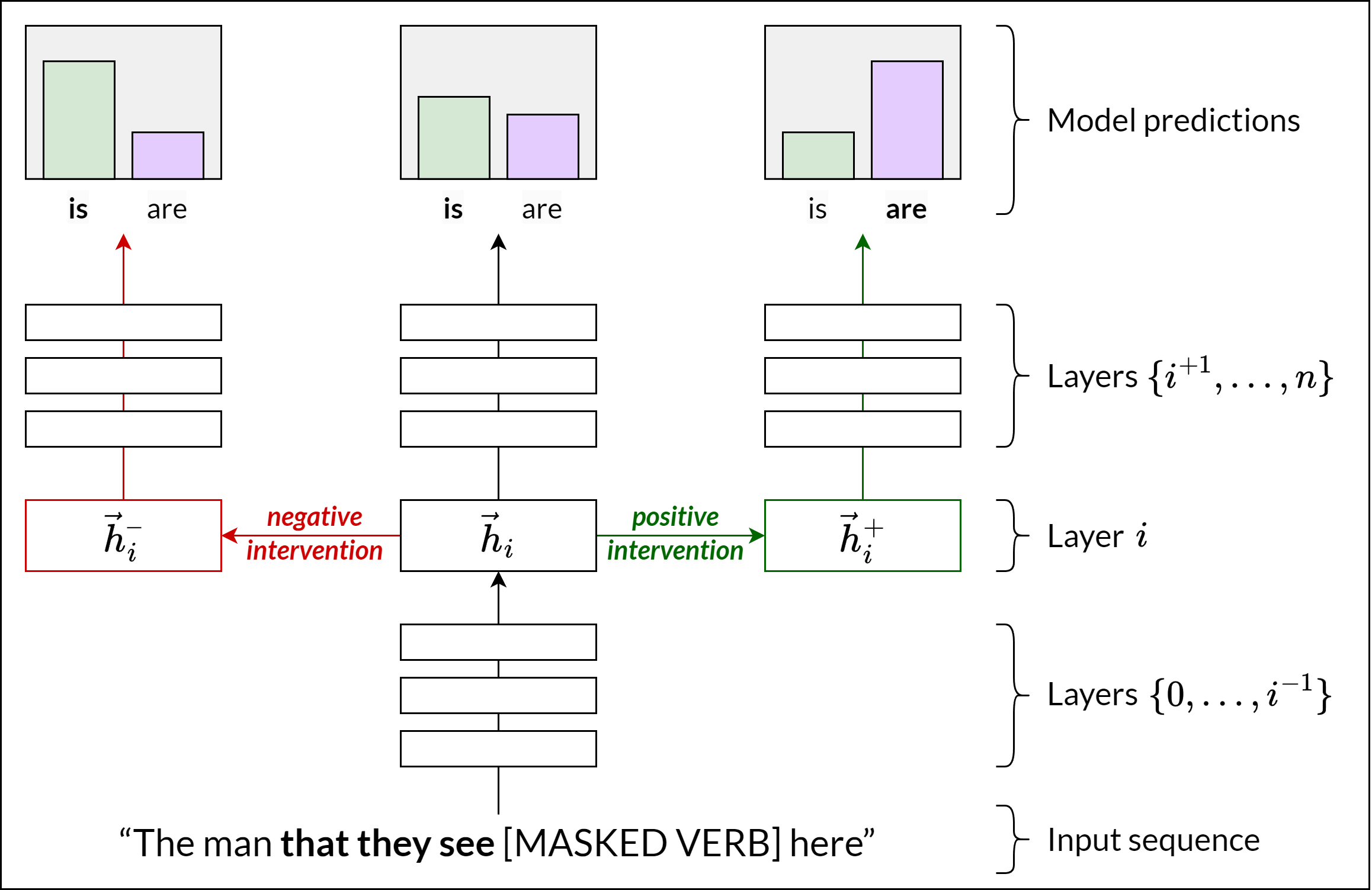
- Describe ablation and targeted interventions to identify causal contributions of internal components.
- Explain iterative nullspace projection as a method to test causal involvement of target information in model behavior.
- Define mechanistic interpretability as reverse-engineering neural networks into interpretable features and circuits.
- Discuss algorithmic level explanations and the role of computational graphs in understanding LLMs.
Experimental results
Research questions
- RQ1What scope and limits exist for understanding LLM internal mechanisms beyond output behavior?
- RQ2How can interventions reveal causal roles of internal representations in language model computations?
- RQ3What are the implications of multimodality, agency, and potential consciousness for LLMs?
- RQ4What are the concerns around secrecy and reproducibility in LLM research?
- RQ5Can LLM-like systems provide useful models of certain aspects of human or animal cognition under constrained learning environments?
Key findings
- Benchmark limitations (saturation, gamification, contamination, and construct validity) challenge reliable assessment of LLM capabilities.
- Probing alone cannot establish causal roles; interventions are needed to show that representations influence behavior.
- Intervention methods like ablation and iterative nullspace projection can demonstrate causal involvement of internal information.
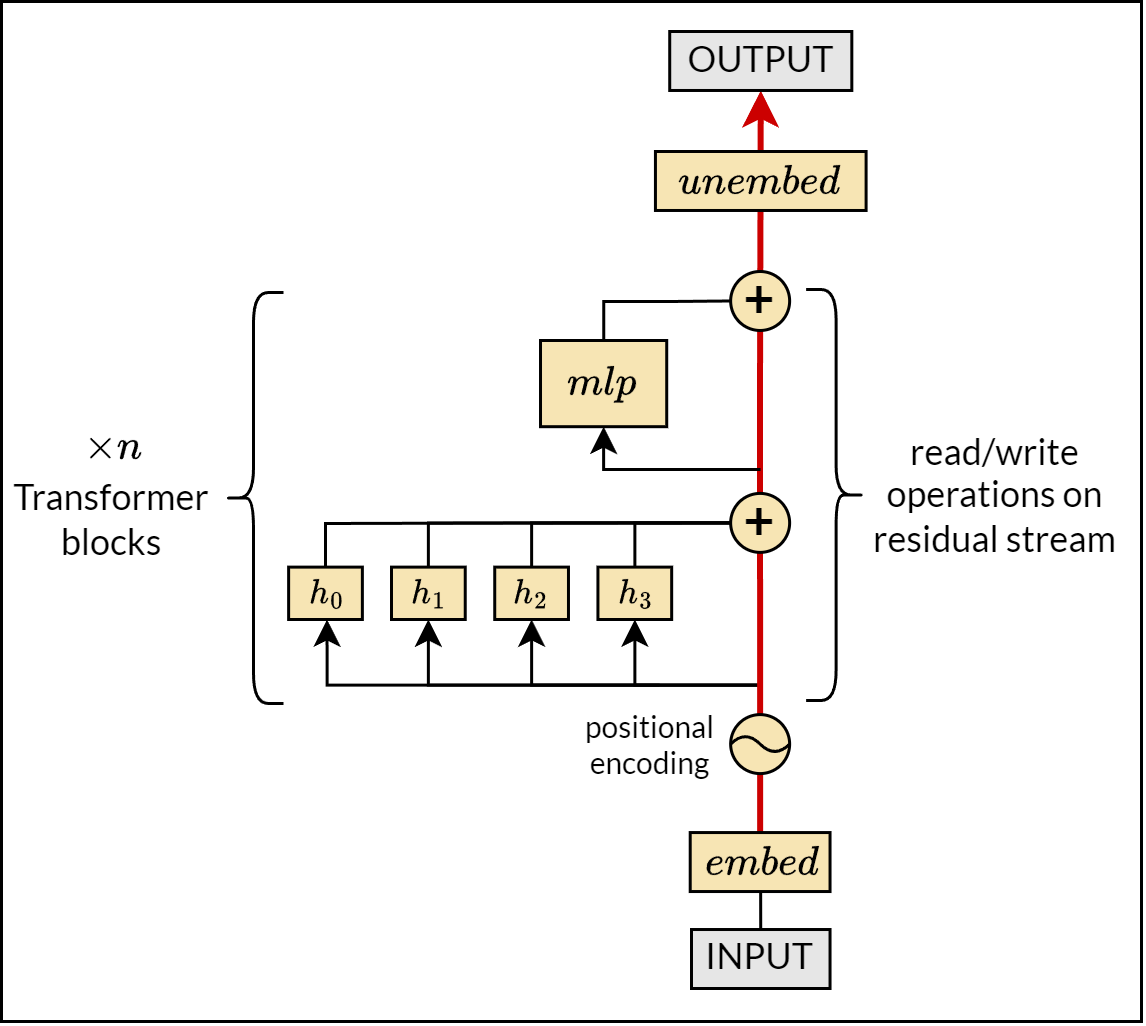
- Mechanistic interpretability aims to map the network to a hierarchy of features and circuits, enabling step-by-step computational explanations.
- Distributed representations and superposition complicate attribution and ablation, motivating more sophisticated causal interventions.
- Algorithmic and circuit-level explanations offer a path toward explaining how inputs are transformed into outputs in LLMs.
Read this paper
Open the full text in the Nubint reader and ask about any passage as you read.
Read this paper on NubintThis review was generated by AI from the original paper. Please check the paper before citing it.