
[Paper Review] Boosting Mixed-Initiative Co-Creativity in Game Design: A Tutorial
This tutorial surveys mixed-initiative co-creativity (MI-CCy) in game design, introduces the MI-CCy Quantifier framework, applies it to selected works, and outlines gaps and guidelines for future tools.
In recent years, there has been a growing application of mixed-initiative co-creative approaches in the creation of video games. The rapid advances in the capabilities of artificial intelligence (AI) systems further propel creative collaboration between humans and computational agents. In this tutorial, we present guidelines for researchers and practitioners to develop game design tools with a high degree of mixed-initiative co-creativity (MI-CCy). We begin by reviewing a selection of current works that will serve as case studies and categorize them by the type of game content they address. We introduce the MI-CCy Quantifier, a framework that can be used by researchers and developers to assess co-creative tools on their level of MI-CCy through a visual scheme of quantifiable criteria scales. We demonstrate the usage of the MI-CCy Quantifier by applying it to the selected works. This analysis enabled us to discern prevalent patterns within these tools, as well as features that contribute to a higher level of MI-CCy. We highlight current gaps in MI-CCy approaches within game design, which we propose as pivotal aspects to tackle in the development of forthcoming approaches.
Motivation & Objective
- Define and categorize game content relevant to MI-CCy in video games.
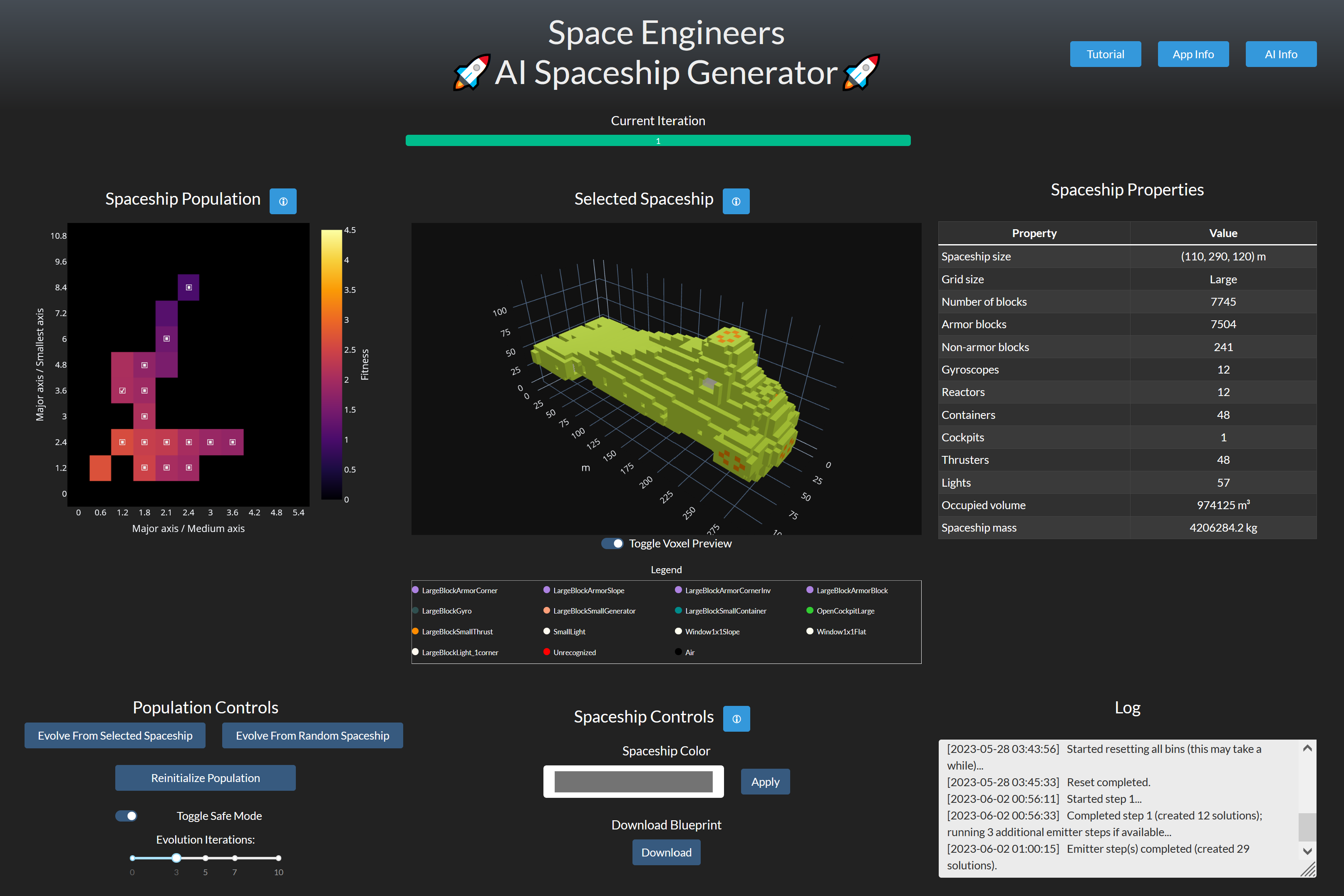
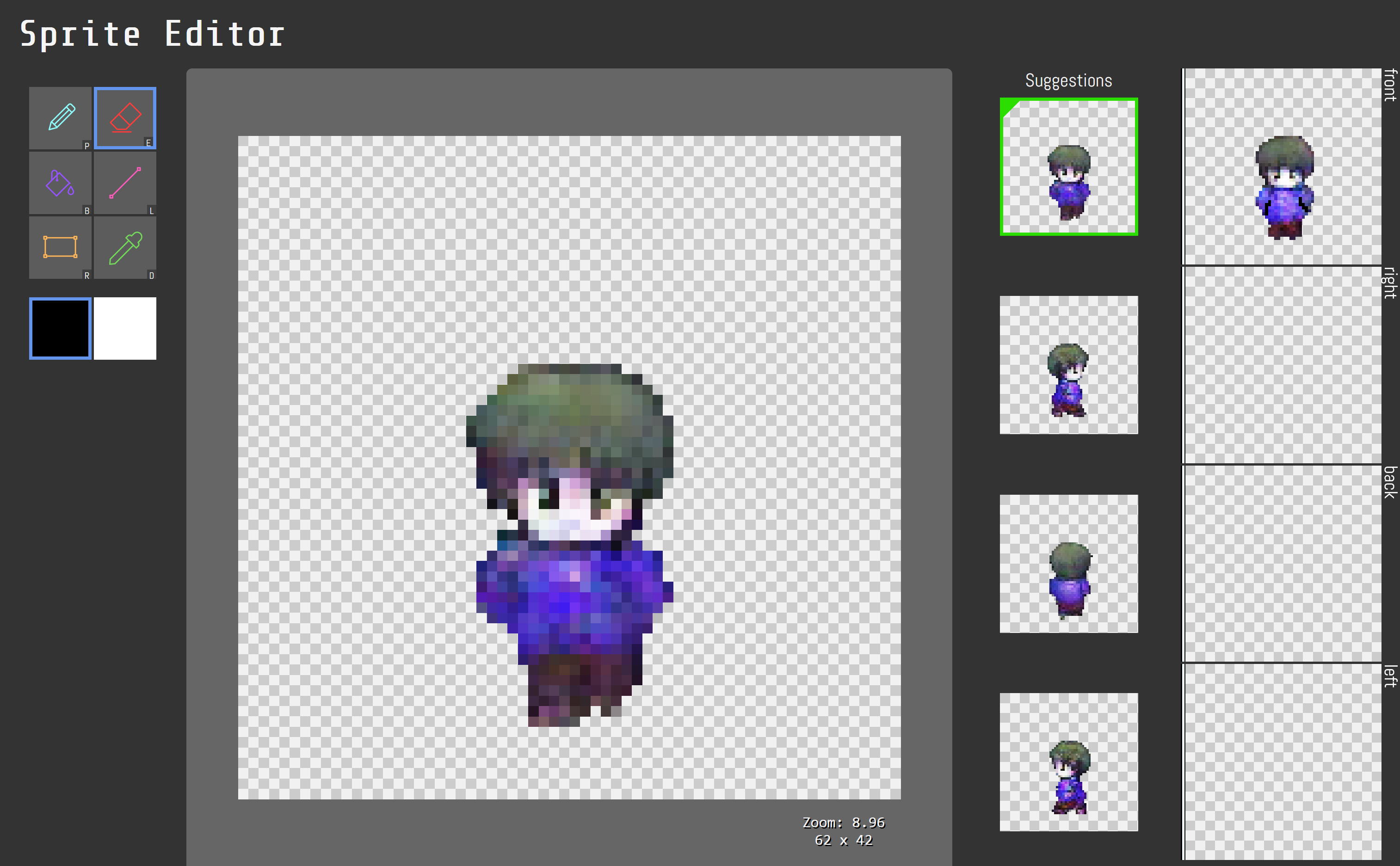
- Survey current mixed-initiative co-creative tools across content classes (bits, space, behaviors, systems, scenarios, design).
- Introduce the MI-CCy Quantifier framework for assessing co-creative tool levels.
- Apply the framework to selected works to identify patterns and gaps.
- Propose guidelines and pivotal aspects to advance MI-CCy in future game-design tools.
Proposed method
- Classify game content into six content classes inspired by existing PCG typologies.
- Review and analyze representative MI-CCy works within each content class.
- Develop the MI-CCy Quantifier, a visual, scalable framework to rate MI-CCy criteria.
- Apply the MI-CCy Quantifier to chosen case studies to extract design patterns.
- Discuss effectiveness, limitations, and open issues in current MI-CCy approaches.
Experimental results
Research questions
- RQ1What MI-CCy approaches exist across different game content classes?
- RQ2How can MI-CCy be evaluated consistently using a quantifiable framework?
- RQ3What patterns emerge regarding features that promote higher MI-CCy in tools?
- RQ4What gaps and open issues limit mixed-initiative co-creativity in game design?
- RQ5What guidelines can guide future MI-CCy tool development?
Key findings
- There is a concentration of MI-CCy activity in game space and scenarios, with fewer works targeting game systems.
- A framework (MI-CCy Quantifier) can characterize and compare tools along quantifiable criteria scales.
- Analysis reveals recurring features that support collaborative human–AI creativity and also persistent gaps in MI-CCy coverage across content classes.
- Many tools provide co-creative support but still rely heavily on human initiative, indicating room for more proactive computational contribution.
- Case studies demonstrate how interactive, timeline-based, or preference-learning approaches can enhance user control and creativity.
- The survey highlights open issues that are pivotal for advancing MI-CCy in future game-design approaches.
Read this paper
Open the full text in the Nubint reader and ask about any passage as you read.
Read this paper on NubintThis review was generated by AI from the original paper. Please check the paper before citing it.