
[Paper Review] Brain in a Vat: On Missing Pieces Towards Artificial General Intelligence in Large Language Models
The paper critiques current LLM evaluations, arguing they overstate capabilities and outlines missing pieces for true artificial general intelligence, emphasizing unity of knowing and acting through real-world interaction and trial-and-error learning.
In this perspective paper, we first comprehensively review existing evaluations of Large Language Models (LLMs) using both standardized tests and ability-oriented benchmarks. We pinpoint several problems with current evaluation methods that tend to overstate the capabilities of LLMs. We then articulate what artificial general intelligence should encompass beyond the capabilities of LLMs. We propose four characteristics of generally intelligent agents: 1) they can perform unlimited tasks; 2) they can generate new tasks within a context; 3) they operate based on a value system that underpins task generation; and 4) they have a world model reflecting reality, which shapes their interaction with the world. Building on this viewpoint, we highlight the missing pieces in artificial general intelligence, that is, the unity of knowing and acting. We argue that active engagement with objects in the real world delivers more robust signals for forming conceptual representations. Additionally, knowledge acquisition isn't solely reliant on passive input but requires repeated trials and errors. We conclude by outlining promising future research directions in the field of artificial general intelligence.
Motivation & Objective
- Review existing standardized and ability-oriented evaluations of LLMs and identify overstatements of LLM capabilities.
- Propose a framework for what artificial general intelligence should encompass beyond LLMs.
- Highlight the missing pieces toward AGI, focusing on action, world grounding, and experiential knowledge acquisition.
Proposed method
- Systematic review of standardized tests and ability-oriented benchmarks used to evaluate LLMs.
- Critical synthesis of findings on symbol grounding, world interaction, and knowledge acquisition.
- Conceptual framing of four generally intelligent agent characteristics.
- Discussion of empirical evidence challenging LLMs as AGI and outlining future research directions.
Experimental results
Research questions
- RQ1What are the limitations of current LLM evaluation methodologies in capturing general intelligence?
- RQ2What constitutes artificial general intelligence beyond the capabilities demonstrated by LLMs?
- RQ3What are the key missing pieces that would unite knowing and acting in AI systems?
Key findings
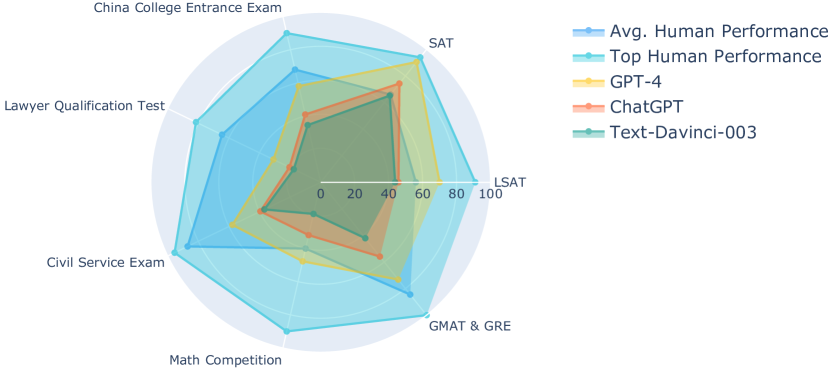
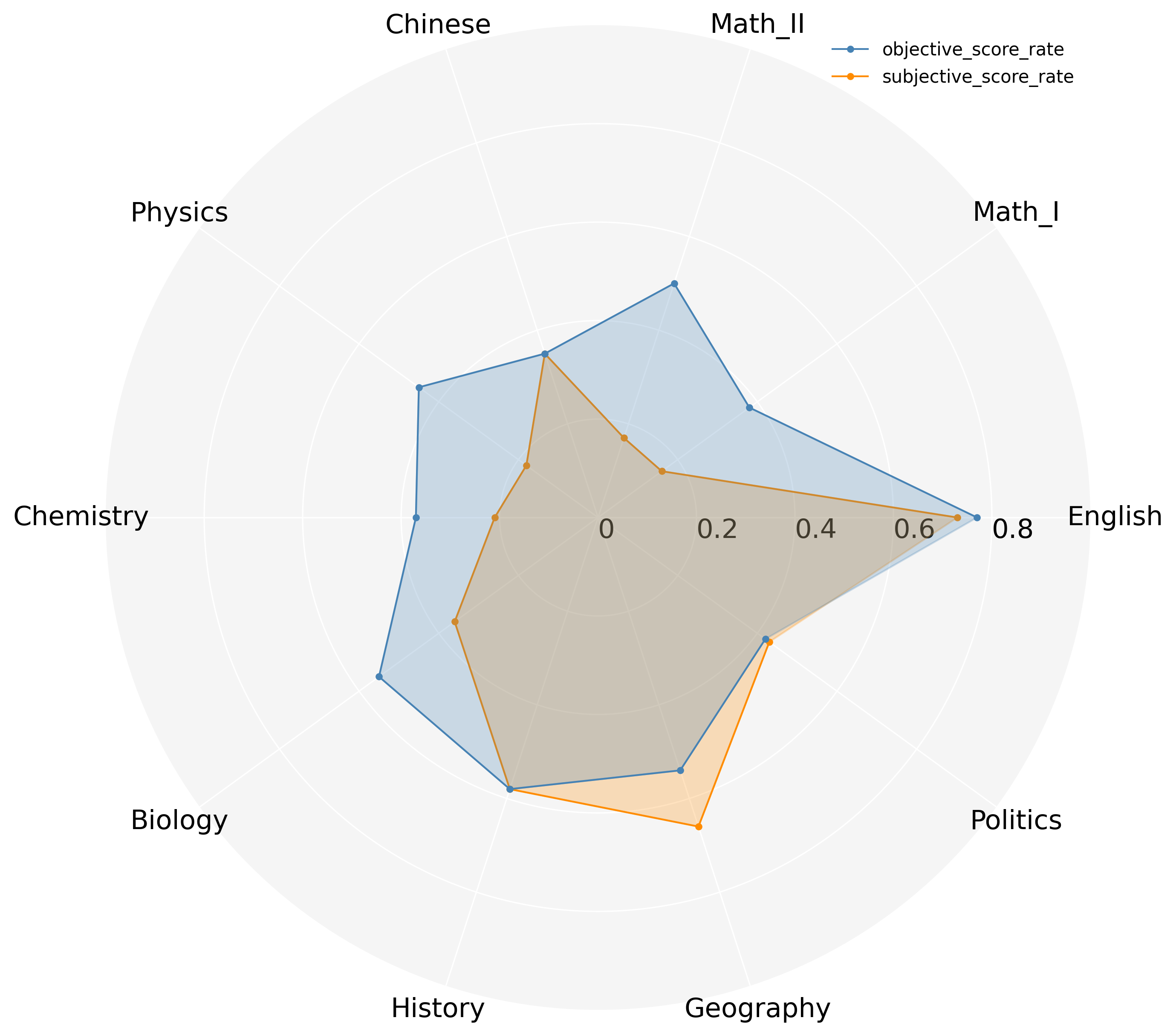
- LLMs show strong performance on language-based tests but struggle with reasoning and problem-solving in subject areas with less training data.
- Evaluation methodologies can inflate perceived LLM abilities due to data biases and metric choices.
- Evidence from multiple domains shows LLMs rely on shortcuts, lack robust symbolic understanding, and fail in out-of-distribution causal and abstract reasoning tasks.
- Symbol grounding and real-world interaction are presented as essential for robust conceptual representations and generalization.
- The authors argue for future AGI directions that integrate active world engagement, trial-and-error learning, and grounded knowledge acquisition.
Read this paper
Open the full text in the Nubint reader and ask about any passage as you read.
Read this paper on NubintThis review was generated by AI from the original paper. Please check the paper before citing it.