
[Paper Review] Exploring Autonomous Agents through the Lens of Large Language Models: A Review
This review surveys how large language models enable autonomous agents, detailing architectures, tooling, reasoning strategies, and evaluation platforms, while outlining challenges and future directions.
Large Language Models (LLMs) are transforming artificial intelligence, enabling autonomous agents to perform diverse tasks across various domains. These agents, proficient in human-like text comprehension and generation, have the potential to revolutionize sectors from customer service to healthcare. However, they face challenges such as multimodality, human value alignment, hallucinations, and evaluation. Techniques like prompting, reasoning, tool utilization, and in-context learning are being explored to enhance their capabilities. Evaluation platforms like AgentBench, WebArena, and ToolLLM provide robust methods for assessing these agents in complex scenarios. These advancements are leading to the development of more resilient and capable autonomous agents, anticipated to become integral in our digital lives, assisting in tasks from email responses to disease diagnosis. The future of AI, with LLMs at the forefront, is promising.
Motivation & Objective
- Assess how LLMs enable autonomous agents across domains.
- Summarize core architectures, memory, reasoning, and acting components of LLM-based agents.
- Evaluate current frameworks and tools for building and testing autonomous agents.
- Identify major challenges (multimodality, alignment, hallucinations) and proposed remedies.
- Highlight open avenues for open-source models and tool integration.
Proposed method
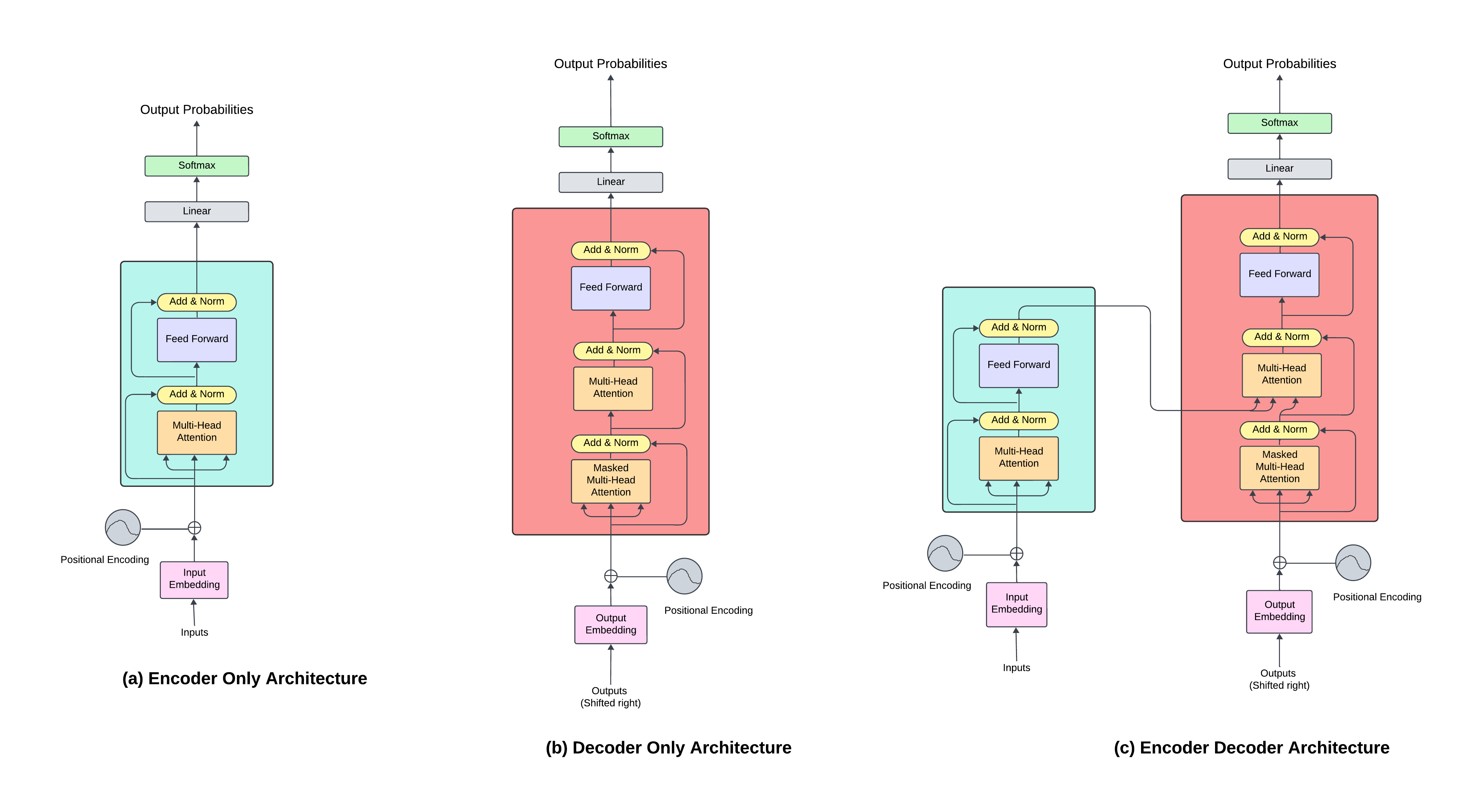
- Describe transformer-based architectures and their encoder/decoder configurations.
- Discuss memory, planning, and action components in LLM-based agents.
- Explain reasoning/acting paradigms including CoT, SPR, MPR, ToT, GoT, ReAct, and Reflexion.
- Review retrieval augmentation (RAG) and tool/use frameworks (LangChain, LiteLLM, Auto-GPT).
- Compare evaluation platforms (AgentBench, WebArena, ToolLLM) and subjective evaluation considerations.
Experimental results
Research questions
- RQ1What are the key architectural components that enable LLM-based autonomous agents (memory, planning, action)?
- RQ2What prompting, reasoning, and tool-use strategies best empower LLMs to act autonomously?
- RQ3What evaluation frameworks exist for LLM-based agents, and how do they compare to traditional methods?
- RQ4What are the main limitations and societal implications of deploying LLM-driven autonomous agents?
- RQ5How do multimodal and open-source approaches influence the development of autonomous agents?
Key findings
- LLM-based agents integrate memory, planning, and action to achieve autonomous task execution.
- Tool use and retrieval-augmented generation are central to expanding LLM capabilities beyond text generation.
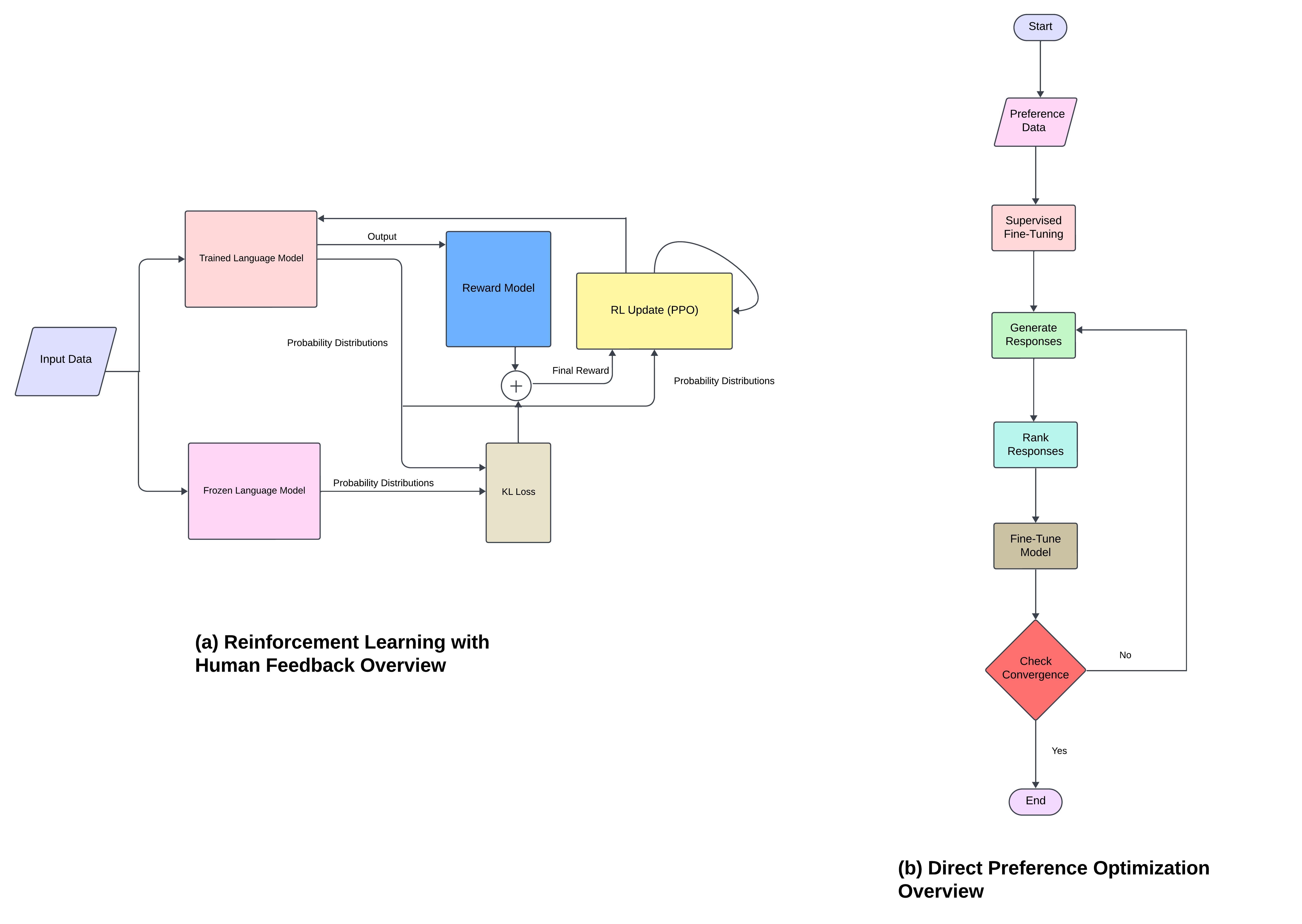
- Advanced reasoning frameworks (CoT, ToT, GoT, ReAct, RLHF/DPO) improve decisions and performance.
- Evaluation platforms like AgentBench, WebArena, and ToolLLM provide scalable assessment, with subjective evaluation highlighting human-centered concerns.
- Open-source LLMs and modular tool ecosystems (LangChain, LiteLLM) democratize access and potential improvements.
Read this paper
Open the full text in the Nubint reader and ask about any passage as you read.
Read this paper on NubintThis review was generated by AI from the original paper. Please check the paper before citing it.