
[Paper Review] Personalizing Content Moderation on Social Media: User Perspectives on Moderation Choices, Interface Design, and Labor
This study investigates user preferences for personal content moderation tools on social media through interviews with 24 users, evaluating simulated interfaces like toxicity sliders, word filters, and boolean toggles. Findings reveal that users value clarity, context, and transparency in moderation tools, and prefer platforms or trusted third parties to develop them, highlighting the need for more intuitive, accountable personal moderation design to enhance user control and platform responsibility.
Social media platforms moderate content for each user by incorporating the outputs of both platform-wide content moderation systems and, in some cases, user-configured personal moderation preferences. However, it is unclear (1) how end users perceive the choices and affordances of different kinds of personal content moderation tools, and (2) how the introduction of personalization impacts user perceptions of platforms' content moderation responsibilities. This paper investigates end users' perspectives on personal content moderation tools by conducting an interview study with a diverse sample of 24 active social media users. We probe interviewees' preferences using simulated personal moderation interfaces, including word filters, sliders for toxicity levels, and boolean toxicity toggles. We also examine the labor involved for users in choosing moderation settings and present users' attitudes about the roles and responsibilities of social media platforms and other stakeholders towards moderation. We discuss how our findings can inform design solutions to improve transparency and controllability in personal content moderation tools.
Motivation & Objective
- To understand how end users perceive and prefer different types of personal content moderation tools, such as sliders, filters, and toggles.
- To examine the perceived labor and cognitive burden users associate with configuring personal moderation settings.
- To explore user attitudes toward platform responsibility in content moderation and the role of third-party developers.
- To identify design principles that improve transparency, controllability, and user trust in personalized moderation systems.
Proposed method
- Conducted semi-structured interviews with 24 active social media users to explore preferences for personal moderation tools.
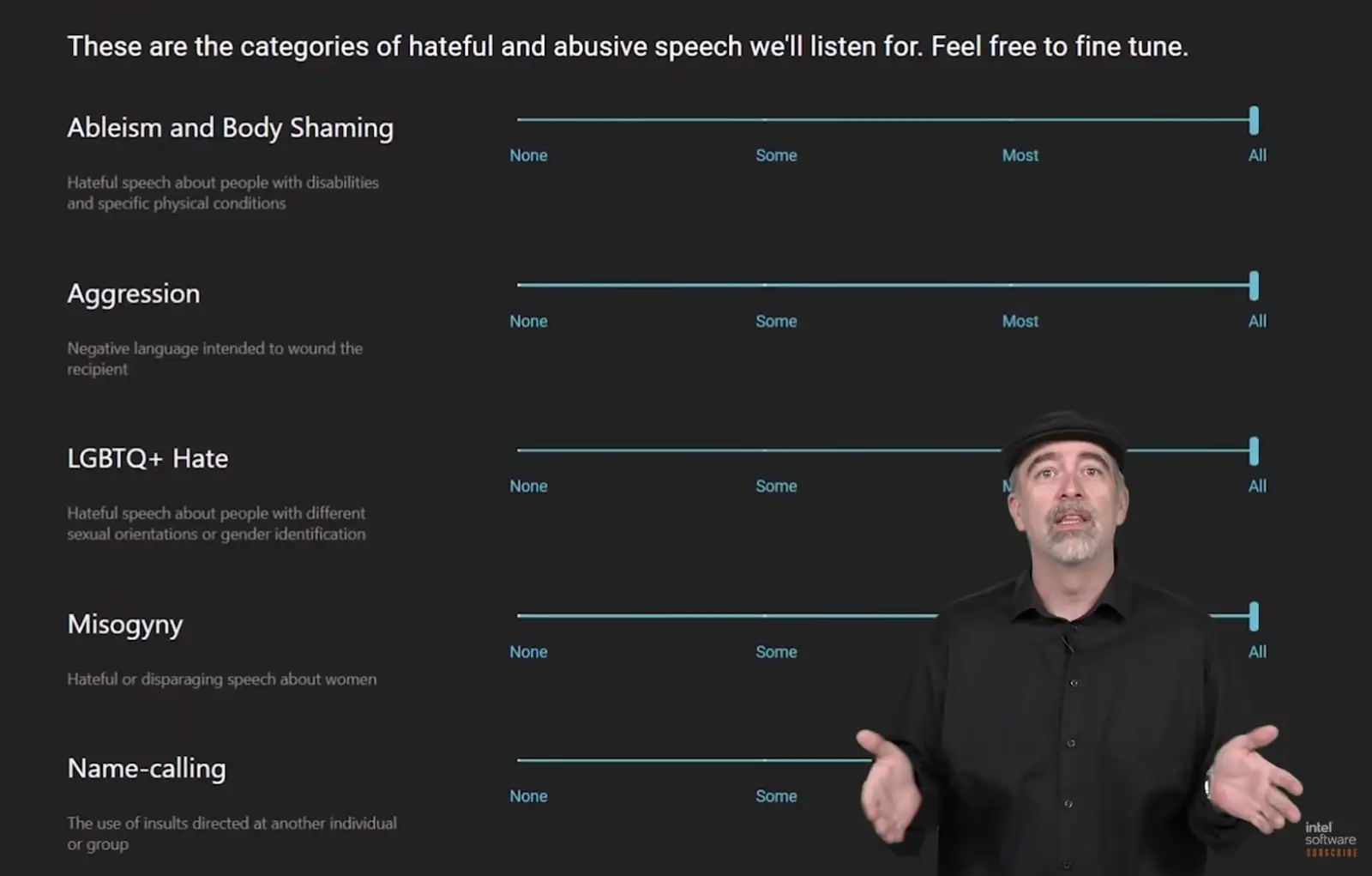
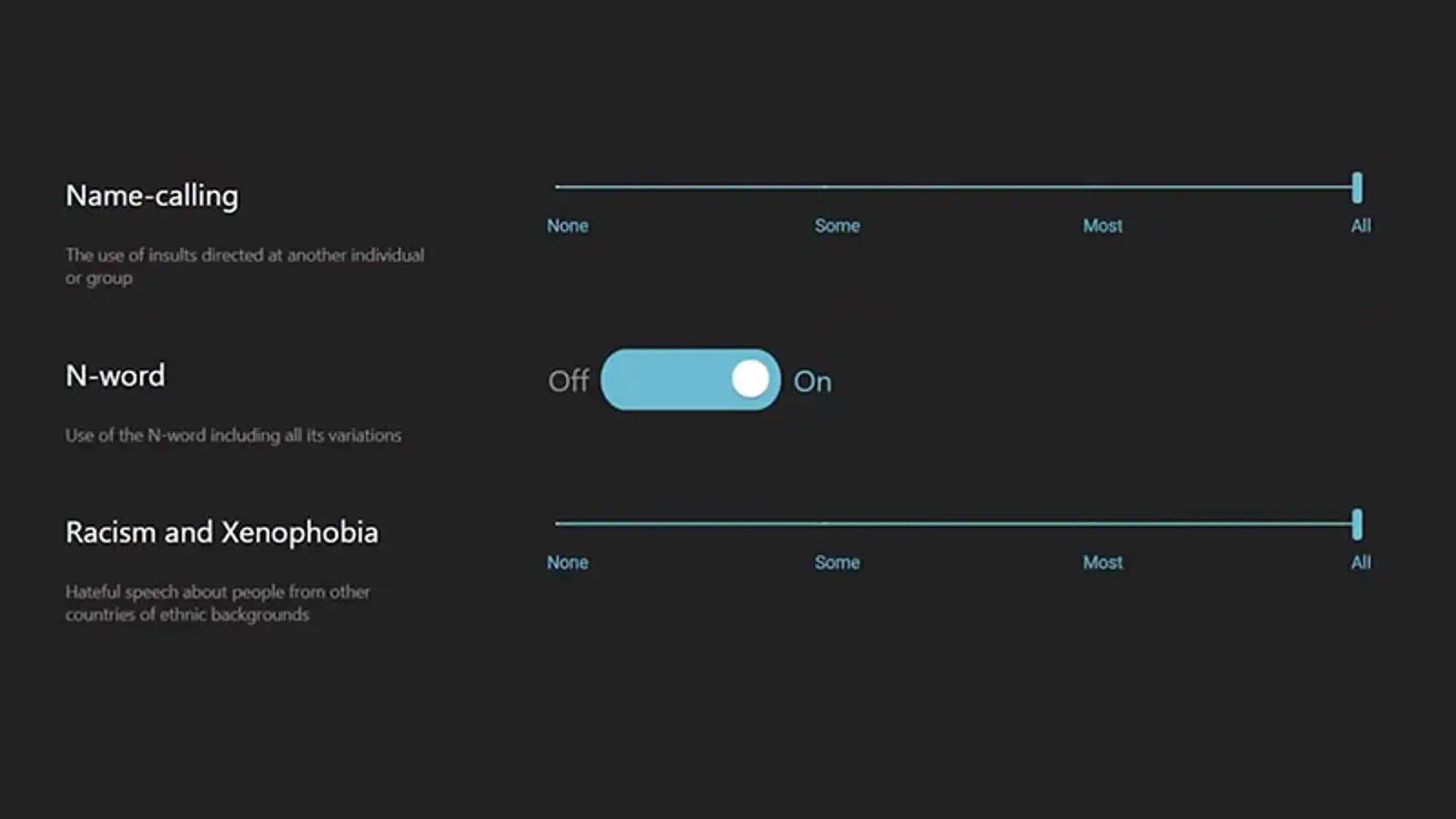
- Designed and deployed a simulated social media interface to test three types of moderation controls: toxicity sliders, word filters, and boolean toxicity toggles.
- Used participant feedback to analyze interface clarity, perceived control, and user attitudes toward platform and third-party roles in moderation.
- Evaluated user perceptions of ambiguity in terms like 'toxicity' and 'sensitivity' in moderation settings.
- Explored the perceived fairness and legitimacy of user-configured moderation versus platform-wide rules.
- Collected insights on user willingness to adopt tools developed by academics or non-profits versus platforms.
Experimental results
Research questions
- RQ1How do users perceive and prefer different interface designs for personal content moderation, such as sliders, filters, and toggles?
- RQ2What cognitive and emotional labor do users associate with configuring personal moderation settings?
- RQ3How do users perceive the responsibilities of platforms versus third parties in developing and maintaining personal moderation tools?
- RQ4What role do clarity, context, and justification play in users’ trust and adoption of personal moderation tools?
- RQ5How do users’ preferences for personal moderation vary across different types of content, such as toxicity, aggression, or misogyny?
Key findings
- Users expressed strong preference for word filters and boolean toggles over sliders, citing greater clarity and control, especially when dealing with ambiguous terms like 'toxicity'.
- Many participants found sliders for abstract categories like 'aggression' or 'misogyny' confusing and potentially harmful, fearing they could normalize or trivialize serious speech harms.
- Users reported significant perceived labor in configuring moderation settings, especially when terms were vague or lacked context, leading to frustration and disengagement.
- Participants were more willing to trust and use personal moderation tools developed by academic institutions or reputable non-profits than by commercial platforms.
- Users emphasized the need for transparency, including clear definitions of moderation terms and justifications for content filtering decisions.
- Despite user interest in personalization, participants stressed that personal tools should not absolve platforms of responsibility for effective baseline content moderation.
Read this paper
Open the full text in the Nubint reader and ask about any passage as you read.
Read this paper on NubintThis review was generated by AI from the original paper. Please check the paper before citing it.