
[Paper Review] Sociotechnical Safety Evaluation of Generative AI Systems
The paper proposes a three-layer sociotechnical framework for evaluating safety of generative AI systems and surveys the current evaluation landscape to identify gaps and practical steps to close them.
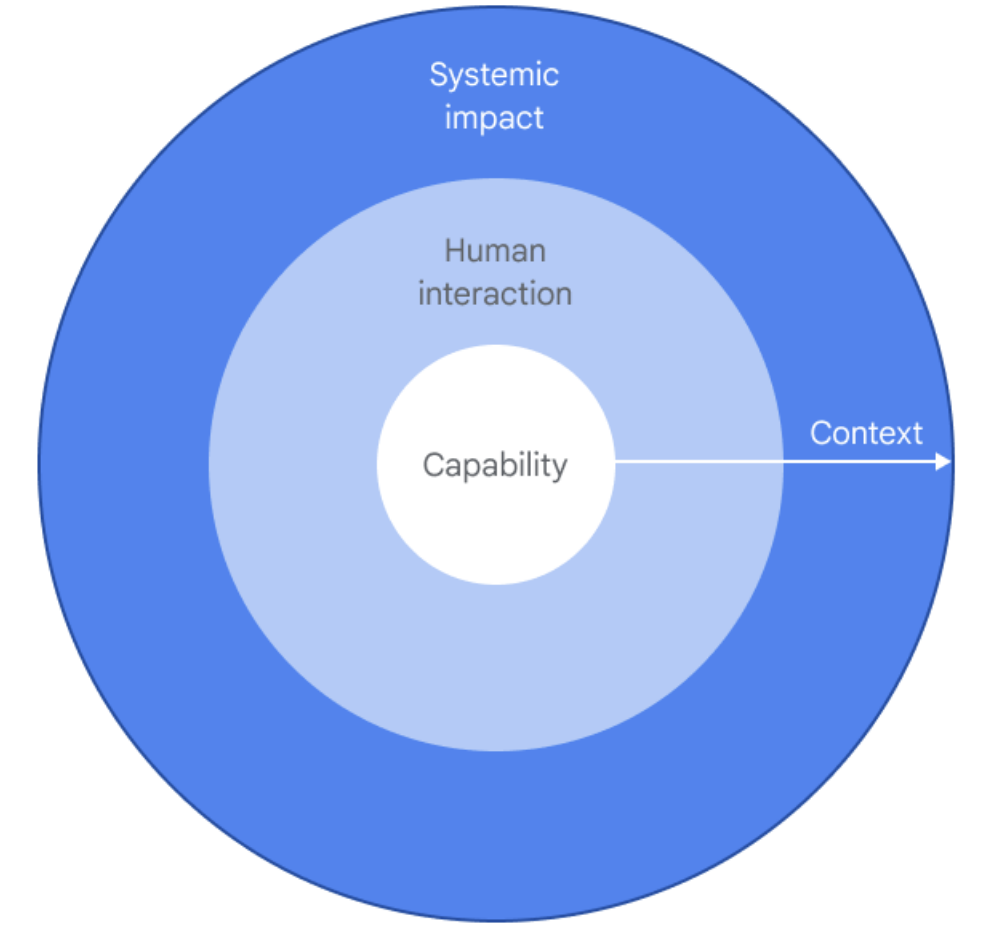
Generative AI systems produce a range of risks. To ensure the safety of generative AI systems, these risks must be evaluated. In this paper, we make two main contributions toward establishing such evaluations. First, we propose a three-layered framework that takes a structured, sociotechnical approach to evaluating these risks. This framework encompasses capability evaluations, which are the main current approach to safety evaluation. It then reaches further by building on system safety principles, particularly the insight that context determines whether a given capability may cause harm. To account for relevant context, our framework adds human interaction and systemic impacts as additional layers of evaluation. Second, we survey the current state of safety evaluation of generative AI systems and create a repository of existing evaluations. Three salient evaluation gaps emerge from this analysis. We propose ways forward to closing these gaps, outlining practical steps as well as roles and responsibilities for different actors. Sociotechnical safety evaluation is a tractable approach to the robust and comprehensive safety evaluation of generative AI systems.
Motivation & Objective
- Introduce a sociotechnical, three-layered framework for safety evaluation of generative AI systems.
- Integrate context into safety evaluation by adding human interaction and systemic impact layers to capability evaluations.
- Survey the current state of sociotechnical safety evaluations and identify gaps.
- Propose practical steps and roles for actors to close evaluation gaps.
- Advocate for standardized, practice-oriented evaluation as part of responsible AI development.
Proposed method
- Define and justify a three-layer framework: capability, human interaction, and systemic impact.
- Survey existing safety evaluations and map them onto the three-layer framework.
- Develop a repository of existing evaluations and analyze gaps in multimodal contexts.
- Offer practical steps to operationalize risks and select appropriate evaluation methods per layer.
- Discuss roles, responsibilities, and limitations to guide safe, responsible AI deployments.
Experimental results
Research questions
- RQ1What constitutes a comprehensive safety evaluation for generative AI when expanding beyond technical components?
- RQ2How do capability, human interaction, and systemic impact layers contribute to understanding real-world harms?
- RQ3What are the current gaps in sociotechnical safety evaluations for generative AI across modalities and contexts?
- RQ4What practical steps and governance structures can close these gaps and guide stakeholders?
Key findings
- A three-layer sociotechnical framework adds necessary context to capability evaluations by incorporating human interaction and systemic impacts.
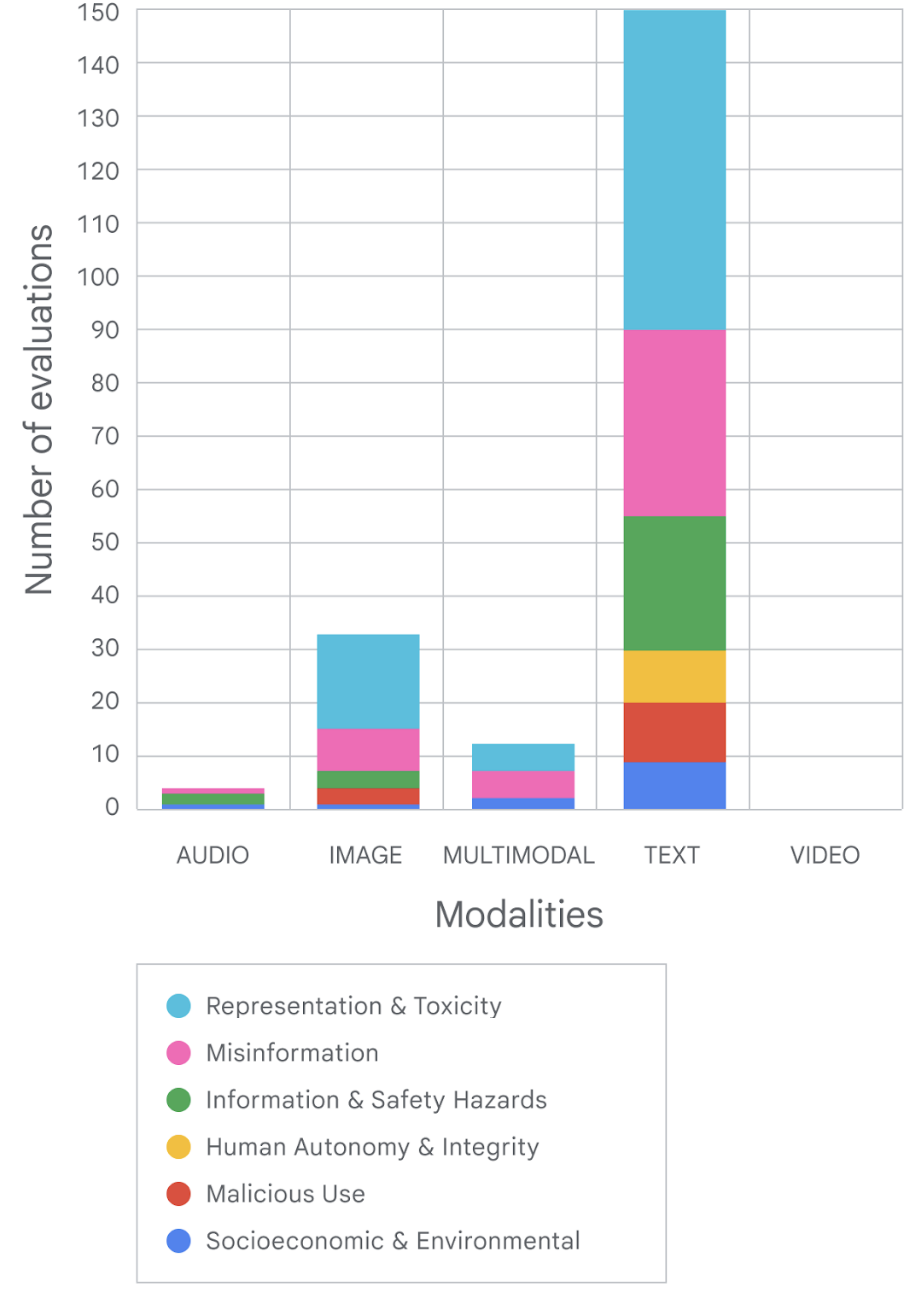
- There are substantive gaps in current safety evaluations, particularly in multimodal and system-wide effects, that hamper comprehensive risk assessment.
- A repository of existing evaluations reveals alignment and misalignment with the framework, highlighting practical steps to close gaps.
- Evaluation should be standardized, ongoing, and include clear roles for developers and policymakers to ensure accountability.
- Multimodality introduces new evaluation challenges that require context-sensitive and cross-layer assessment.
Read this paper
Open the full text in the Nubint reader and ask about any passage as you read.
Read this paper on NubintThis review was generated by AI from the original paper. Please check the paper before citing it.