
[Paper Review] The Battle of LLMs: A Comparative Study in Conversational QA Tasks
A comparative evaluation of ChatGPT, GPT-4, Gemini, Mixtral, and Claude on conversational QA across four datasets, using multiple metrics and a two-module generation pipeline to assess accuracy, fluency, and consistency.
Large language models have gained considerable interest for their impressive performance on various tasks. Within this domain, ChatGPT and GPT-4, developed by OpenAI, and the Gemini, developed by Google, have emerged as particularly popular among early adopters. Additionally, Mixtral by Mistral AI and Claude by Anthropic are newly released, further expanding the landscape of advanced language models. These models are viewed as disruptive technologies with applications spanning customer service, education, healthcare, and finance. More recently, Mistral has entered the scene, captivating users with its unique ability to generate creative content. Understanding the perspectives of these users is crucial, as they can offer valuable insights into the potential strengths, weaknesses, and overall success or failure of these technologies in various domains. This research delves into the responses generated by ChatGPT, GPT-4, Gemini, Mixtral and Claude across different Conversational QA corpora. Evaluation scores were meticulously computed and subsequently compared to ascertain the overall performance of these models. Our study pinpointed instances where these models provided inaccurate answers to questions, offering insights into potential areas where they might be susceptible to errors. In essence, this research provides a comprehensive comparison and evaluation of these state of-the-art language models, shedding light on their capabilities while also highlighting potential areas for improvement
Motivation & Objective
- Assess the performance of leading LLMs (ChatGPT, GPT-4, Gemini, Mixtral, Claude) on conversational QA tasks.
- Develop and validate a scalable pipeline for generating and evaluating large-scale responses.
- Quantify quality using standard NLP metrics and analyze limitations such as accuracy, relevance, and consistency.
Proposed method
- Two-module pipeline: question generation (paraphrasing, augmentation, sampling from QA corpora) and response generation (LLMs) for broad conversational QA coverage.
- Evaluation using four conversational QA benchmarks: CoQA, DialFact, FaVIQ, CoDAH.
- Quantitative metrics: BLEU, METEOR, BART, NIST, Jaccard, ROUGE-L, TER; plus Chain-of-Thought, Zero-Shot, and 3-Shot settings.
- Hallucination Vulnerability Index (HVI) adapted from Rawte et al. (2023) to assess model vulnerability to entity fabrication and substitution.
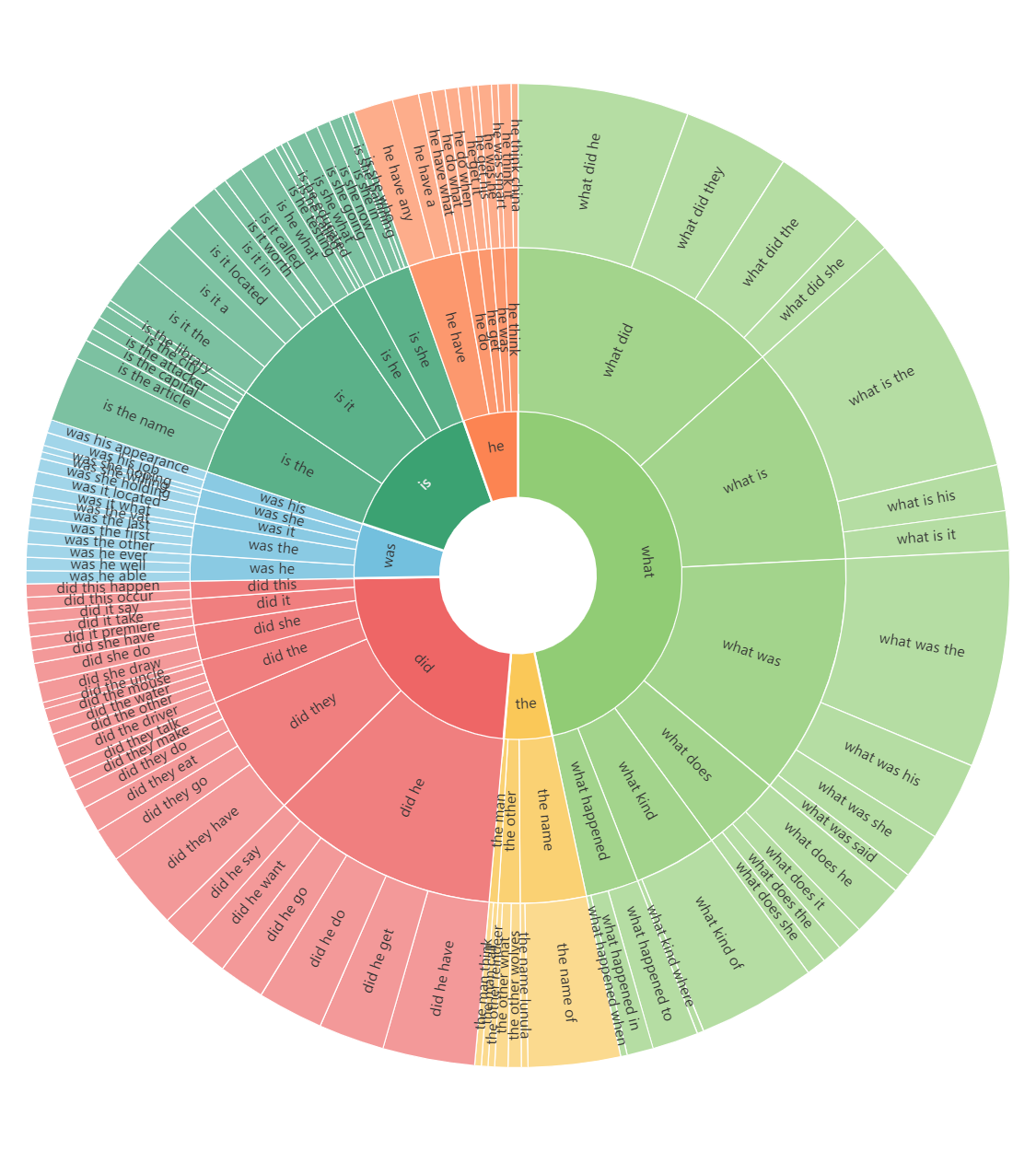
Experimental results
Research questions
- RQ1How do ChatGPT, GPT-4, Gemini, Mixtral, and Claude compare in accuracy, relevance, and consistency on conversational QA tasks?
- RQ2What is the impact of shot settings (Zero-shot vs 3-shot) and Chain-of-Thought reasoning on model performance?
- RQ3How do these models handle hallucinations and consistency across repeated questions within the same context?
- RQ4What are the limitations and biases observed in these LLMs when evaluated on conversational QA corpora?
Key findings
- GPT-4 and Claude outperform ChatGPT-3, Gemini, and Mixtral in accuracy, relevance, and consistency across tested scenarios.
- GPT-4 and Claude show higher consistency and contextual relevance in Chain-of-Thought, Zero-Shot, and 3-Shot evaluations.
- Overall average metrics reported include BLEU around 0.79 and ROUGE-L around 0.53 for some evaluations, with notable variability across datasets.
- Some models (notably ChatGPT-3, Gemini, Mixtral) exhibited inconsistency and occasional misleading responses under identical context.
- The study introduces HVI to quantify hallucination vulnerability and reports model-specific tendencies toward entity fabrication and substitution.
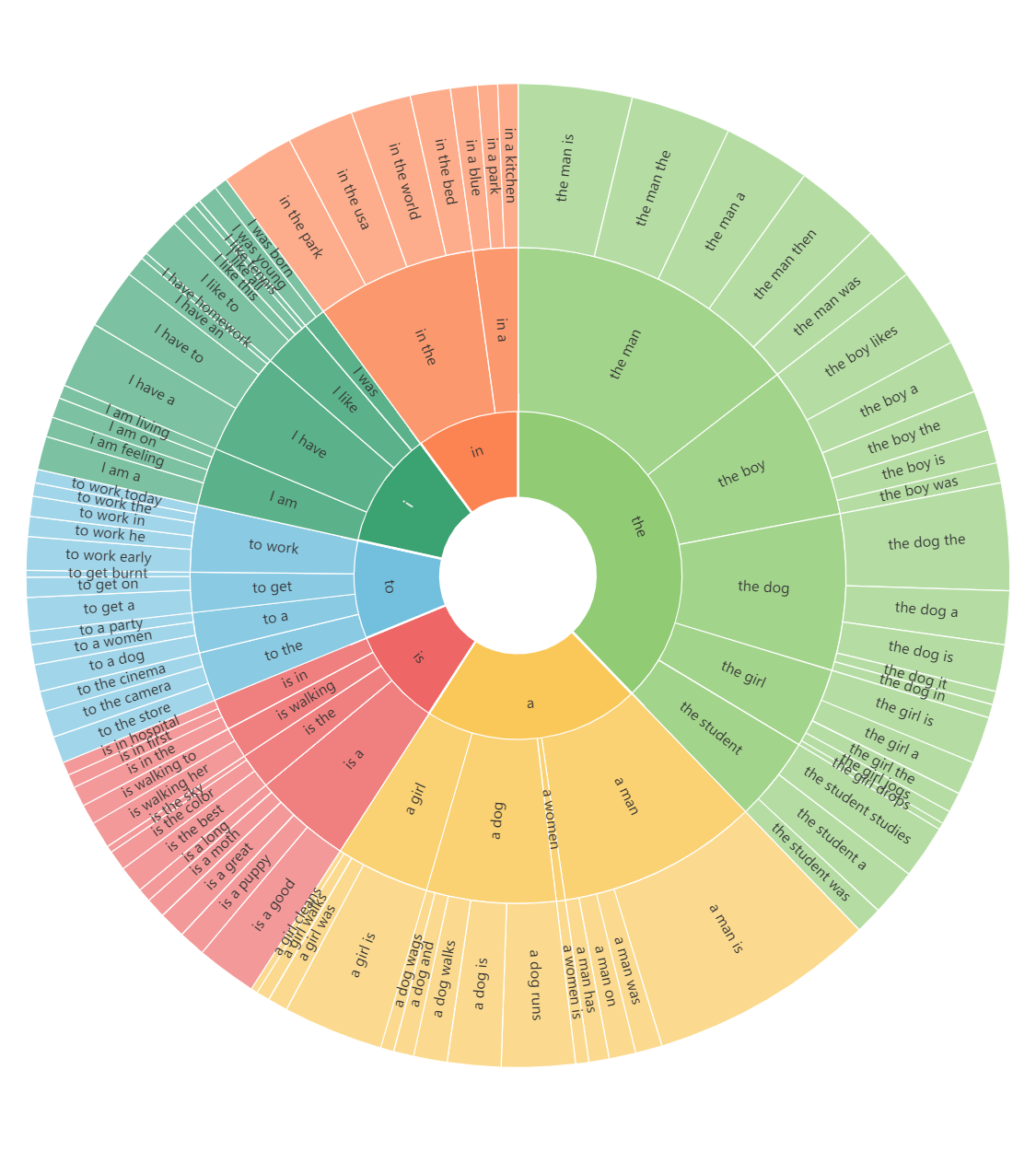
Read this paper
Open the full text in the Nubint reader and ask about any passage as you read.
Read this paper on NubintThis review was generated by AI from the original paper. Please check the paper before citing it.