
[Paper Review] The current opportunities and challenges of Web 3.0
This paper explores Web 3.0's transformative potential through a technical, economic, and regulatory lens, analyzing its decentralized architecture based on blockchain, AI, and 5G integration. It identifies key opportunities in data ownership, interoperability, and AI-driven personalization, while highlighting critical challenges in talent shortages, legal ambiguity, and cybersecurity risks, concluding with strategic recommendations for governance and innovation in China’s Web 3.0 development.
With recent advancements in AI and 5G technologies,as well as the nascent concepts of blockchain and metaverse,a new revolution of the Internet,known as Web 3.0,is emerging. Given its significant potential impact on the internet landscape and various professional sectors,Web 3.0 has captured considerable attention from both academic and industry circles. This article presents an exploratory analysis of the opportunities and challenges associated with Web 3.0. Firstly, the study evaluates the technical differences between Web 1.0, Web 2.0, and Web 3.0, while also delving into the unique technical architecture of Web 3.0. Secondly, by reviewing current literature, the article highlights the current state of development surrounding Web 3.0 from both economic and technological perspective. Thirdly, the study identifies numerous research and regulatory obstacles that presently confront Web 3.0 initiatives. Finally, the article concludes by providing a forward-looking perspective on the potential future growth and progress of Web 3.0 technology.
Motivation & Objective
- To analyze the technical, economic, and regulatory dimensions of Web 3.0 development in the context of emerging technologies like AI, 5G, and blockchain.
- To identify the core challenges impeding Web 3.0 adoption, including talent shortages, legal ambiguity around NFTs and DAOs, and cybersecurity threats.
- To assess the current state of Web 3.0 research, market trends, and policy frameworks, particularly in China.
- To provide a forward-looking perspective on how Web 3.0 can evolve with balanced innovation, governance, and risk management.
Proposed method
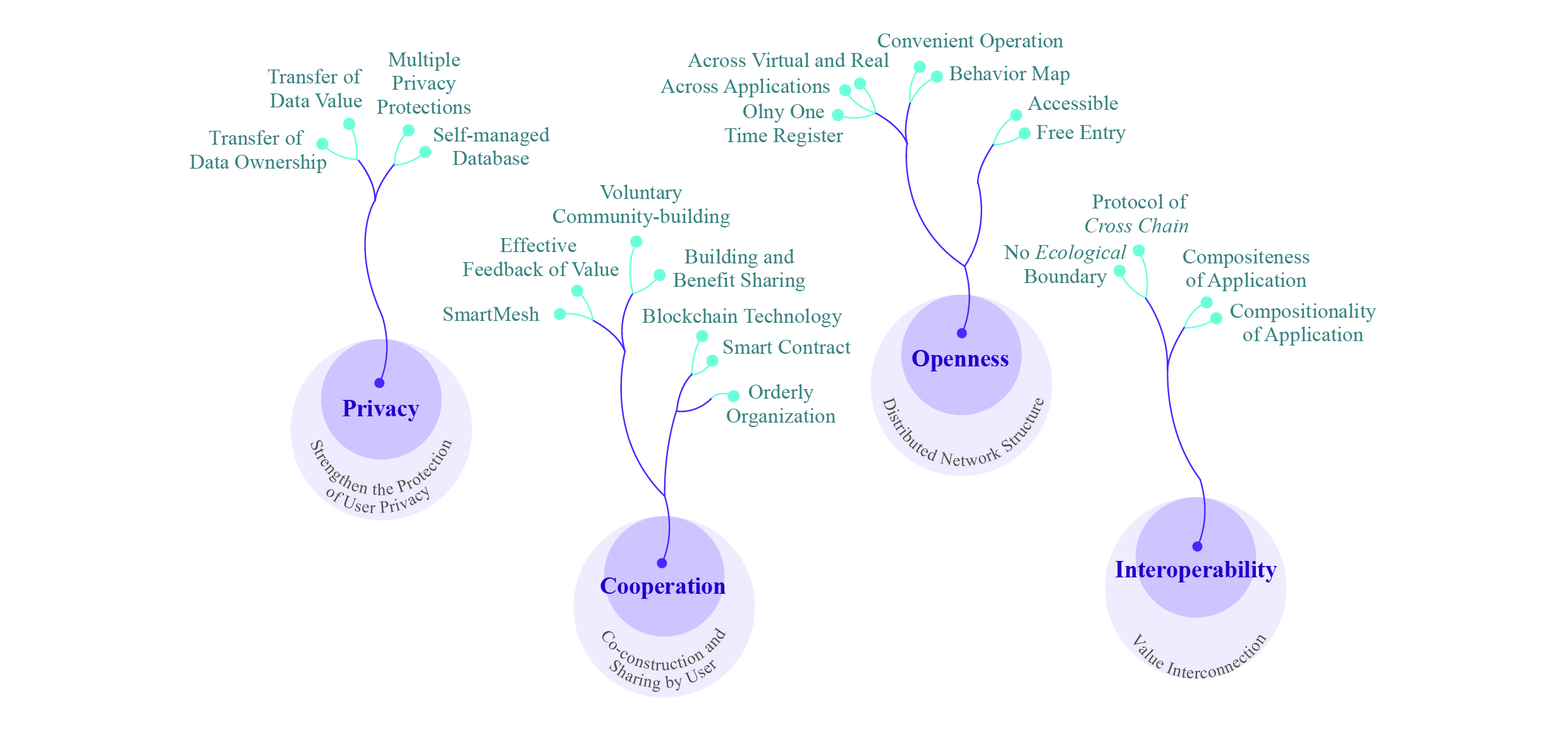
- Conducting a comparative analysis of Web 1.0, Web 2.0, and Web 3.0 using a four-character framework: openness, data privacy, cooperation via token incentives, and interoperability.
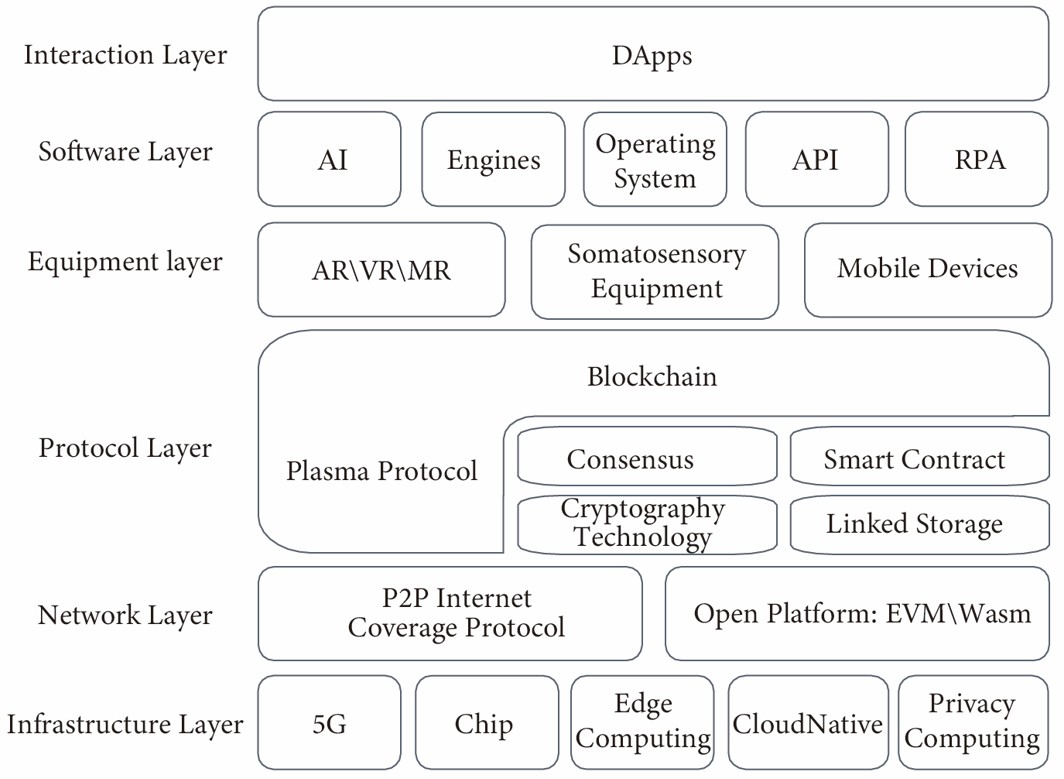
- Reviewing existing literature and technological developments to map the Web 3.0 technology stack, including blockchain as the foundational infrastructure and AI for semantic data processing.
- Evaluating the role of decentralized systems such as public blockchains and DAOs in enabling user ownership and trustless interactions.
- Identifying regulatory and technical barriers through case studies of NFTs, digital asset ownership, and illicit financial activities.
- Proposing a governance model that integrates centralized oversight with decentralized innovation, particularly for China’s strategic development context.
- Using a multi-perspective framework combining policy, market, and scientific research to assess Web 3.0’s current status and future trajectory.
Experimental results
Research questions
- RQ1How does Web 3.0 differ technically and functionally from Web 1.0 and Web 2.0 in terms of data management, user interaction, and infrastructure?
- RQ2What are the key technological enablers—such as blockchain, AI, and 5G—that are driving Web 3.0’s evolution and what are their current limitations?
- RQ3What are the major regulatory and legal challenges associated with Web 3.0, particularly concerning NFT ownership, DAOs, and financial compliance?
- RQ4How does the current shortage of cross-disciplinary talent impact the development and scalability of Web 3.0 systems?
- RQ5What strategic governance and policy frameworks are needed to balance innovation, security, and national interests in Web 3.0 deployment?
Key findings
- Web 3.0 is defined by four core characteristics: openness, data privacy through blockchain, cooperation via token incentives, and interoperability, enabling user-centric digital ecosystems.
- The integration of AI and 5G with Web 3.0 infrastructure is expected to significantly improve data transmission efficiency and enable more accurate, personalized search and content generation services.
- Despite rapid development, China lacks specialized academic programs, textbooks, and training platforms for Web 3.0, creating a critical talent shortage in cryptography, cybersecurity, and decentralized systems.
- Legal challenges include unclear ownership frameworks for NFTs, regulatory ambiguity around DAOs, and risks of financial crimes such as money laundering and illegal fundraising in decentralized finance.
- Cybersecurity threats such as SQL injection and malware are expected to increase in Web 3.0 due to decentralized data storage, raising concerns about data integrity and user privacy.
- China holds strategic advantages in shaping Web 3.0 through centralized governance and strong technological capacity, suggesting a potential model that balances innovation with national security and regulatory control.
Read this paper
Open the full text in the Nubint reader and ask about any passage as you read.
Read this paper on NubintThis review was generated by AI from the original paper. Please check the paper before citing it.