
[論文レビュー] From Assistive Technologies to Metaverse: Technologies in Inclusive Higher Education for Students with Specific Learning Difficulties
本論文は、特定学習障害(SLDs)を有する学生のための包括的で高齢教育を実現するための新興技術—AI、XR、IoT、デジタルツイン、メタバース—をレビューする。特にフェデレーテッドラーニングと説明可能なAI(XAI)を統合するロードマップを提言し、アクセシビリティ、プライバシー、パーソナライズドサポートの向上を図ることで、公平な学術的参加を可能にする。
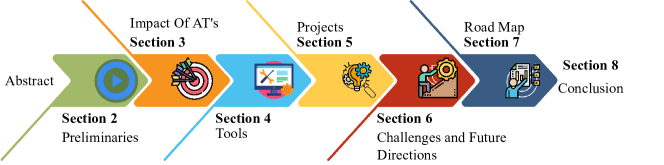
The development of new technologies and their expanding use in a wide range of educational environments are driving the transformation of higher education. Assistive technologies are a subset of cutting-edge technology that can help students learn more effectively and make education accessible to everyone. Assistive technology can enhance, maintain, or improve the capacities of students with learning difficulties. Students with learning difficulties will be greatly benefited from the use of assistive technologies. If these technologies are used effectively, students with learning difficulties can compete with their peers and complete their academic tasks. We aim to conduct this review to better understand the role of assistive technologies in providing inclusive higher education for students with learning difficulties. The review begins with the introduction of learning difficulties and their causes; inclusive education and the need for assistive technologies; the reasoning for conducting this review; and a summary of related reviews on assistive technologies for students with learning difficulties in inclusive higher education. Then, we discuss the preliminaries for the learning difficulties type and assistive technology. Later, we discuss the effects of assistive technology on inclusive higher education for students with learning difficulties. Additionally, we discuss related projects and support tools available in inclusive higher education for students with learning difficulties. We also explore the challenges and possible solutions related to using assistive technology in higher education to provide inclusive education for students with learning difficulties. We conclude the review with a discussion of potential promising future directions.
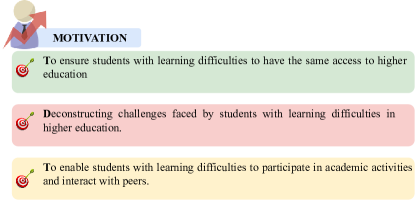
研究の動機と目的
- 新興技術が特定学習障害(SLDs)を有する学生のための包括的で高齢教育をどのように実現するかを検討すること。
- 高齢教育の文脈でSLD学生を支援できる主な支援技術—AI、XR、IoT、デジタルツイン、メタバース—を同定すること。
- データプライバシー、アルゴリズムバイアス、発展途上地域におけるアクセシビリティの欠如といった、支援技術の導入における課題を分析すること。
- フェデレーテッドラーニングと説明可能なAI(XAI)といったソリューションを提案し、支援システムにおける信頼性、透明性、データセキュリティを向上させること。
- SLD学生のための公平なアクセスと学術的成功を保証するため、高齢教育システムへの先進技術の統合を支援する戦略的ロードマップを提供すること。
提案手法
- 高齢教育における特定学習障害(SLDs)を有する学生のための支援技術に関する学術論文および会議論文を対象とした体系的レビューを実施した。
- 機能性と統合可能性を基準に、技術をAI、XR(VR/ARを含む)、IoT、デジタルツイン、メタバースに分類した。
- 既存の支援技術プロジェクトおよびツールを評価し、その設計、実装、高齢教育文脈における報告された成果に注目した。
- 発展途上国におけるデータプライバシー、AI意思決定の透明性の欠如(ブラックボックス性)および不均等なアクセスといった主な課題を同定した。
- 技術的ソリューションとして、フェデレーテッドラーニングを提案した。これは、機密情報が中央集権的に集約されないよう、ローカルデバイス上でモデルを学習させることで、データプライバシーを保護する。
- XAI(説明可能なAI)を提案した。これは、モデルの解釈可能性を向上させ、利用者の信頼を高め、バイアスを低減し、教育技術分野における責任性を強化する。
- SLD学生を的確に支援できる高齢教育システムへの先進技術統合を概説する戦略的ロードマップを策定した。
実験結果
リサーチクエスチョン
- RQ1AI、XR、IoT、デジタルツイン、メタバースといった新興技術は、特定学習障害(SLDs)を有する学生のための包括的で高齢教育をどのように向上させることができるか?
- RQ2高齢教育におけるSLD学生の支援技術の導入において、主な課題は何か。特に、データプライバシーとアルゴリズムの透明性に関して。
- RQ3フェデレーテッドラーニングと説明可能なAI(XAI)は、学習障害を有する学生のためのAI駆動支援システムにおけるプライバシーと信頼の問題をどのように緩和できるか?
- RQ4高齢教育における支援技術の研究状況と実装状況は、小学校教育と比較してどのようになっているか?
- RQ5アクセシビリティと公平性を保証するため、高齢教育システムへの先進的支援技術統合を指導する戦略的ロードマップは何か?
主な発見
- AIと人間-コンピュータインタラクション(HCI)は、学習障害を有する学生のための高齢教育における、最も広く研究され、実装されている支援技術である。
- バーチャルリアリティ(VR)や拡張現実(AR)を含むXR技術は、学生の関与度、社会的統合、体験学習の向上において強く期待される。
- IoTベースの支援システムは、センサーを介してリアルタイムの監視と適応的支援を提供し、学習環境におけるアクセシビリティと応答性を高めることができる。
- デジタルツインとメタバースは、現実世界の課題を物理的に行う前に仮想シミュレーションやリスクのない練習を可能にする、変革的ツールとして台頭しつつある。
- フェデレーテッドラーニングは、機密情報が中央に集約されないよう、デバイス上でモデルを学習させることで、学生のデータプライバシーを保護する。これは、AI駆動支援システムにおける主要な懸念事項を解決する。
- 説明可能なAI(XAI)は、意思決定プロセスの説明を明確にすることで、AIの推奨事項に対する透明性と信頼性を向上させ、バイアスを低減し、教育技術分野における責任性を強化する。
より良い研究を、今すぐ始めましょう
論文の読解から最終レビューまで、研究時間を劇的に削減しましょう。
クレジットカード登録不要
このレビューはAIが作成し、人間の編集者が確認しました。