
[논문 리뷰] Not All Similarities Are Created Equal: Leveraging Data-Driven Biases to Inform GenAI Copyright Disputes
이 논문은 GPT-2 및 Stable Diffusion와 같은 생성형 AI(GenAI) 모델의 내재된 편향을 활용하여 저작권 보호 대상 저작물 내에서 표현적 일반성(genericity)을 데이터 기반으로 측정하는 방법을 제안한다. 모델 출력의 빈도 패턴을 분석함으로써 원본이 아닌 일반적인 요소를 식별함으로써, 저작권 범위 설정, 과도한 보호 방지, 공정한 법적 분쟁 해결 및 등록, 라이선싱 결정을 지원하는 정량적 도구를 제공한다.
The advent of Generative Artificial Intelligence (GenAI) models, including GitHub Copilot, OpenAI GPT, and Stable Diffusion, has revolutionized content creation, enabling non-professionals to produce high-quality content across various domains. This transformative technology has led to a surge of synthetic content and sparked legal disputes over copyright infringement. To address these challenges, this paper introduces a novel approach that leverages the learning capacity of GenAI models for copyright legal analysis, demonstrated with GPT2 and Stable Diffusion models. Copyright law distinguishes between original expressions and generic ones (Scènes à faire), protecting the former and permitting reproduction of the latter. However, this distinction has historically been challenging to make consistently, leading to over-protection of copyrighted works. GenAI offers an unprecedented opportunity to enhance this legal analysis by revealing shared patterns in preexisting works. We propose a data-driven approach to identify the genericity of works created by GenAI, employing "data-driven bias" to assess the genericity of expressive compositions. This approach aids in copyright scope determination by utilizing the capabilities of GenAI to identify and prioritize expressive elements and rank them according to their frequency in the model's dataset. The potential implications of measuring expressive genericity for copyright law are profound. Such scoring could assist courts in determining copyright scope during litigation, inform the registration practices of Copyright Offices, allowing registration of only highly original synthetic works, and help copyright owners signal the value of their works and facilitate fairer licensing deals. More generally, this approach offers valuable insights to policymakers grappling with adapting copyright law to the challenges posed by the era of GenAI.
연구 동기 및 목표
- 저작권법에서 생성형 AI(GenAI) 기반 콘텐츠의 맥락에서 원본 표현적 요소와 일반적인 요소를 구분하는 데 법적 과제를 해결하기 위해.
- 실제 표현 패턴을 반영하는 확장 가능한 정량적 일반성 측도를 개발하여 기존 저작물의 과도한 보호를 줄이기 위해.
- 모호한 법적 원칙에 의존하지 않고 데이터 기반 도구를 제공함으로써 법원과 저작권청이 보호 범위를 평가할 수 있도록 지원하기 위해.
- 높은 원본성과 일반적인 합성 저작물 간의 차이를 가능하게 함으로써 라이선싱 및 등록 절차의 공정성을 높이기 위해.
- AI가 개입한 창작과 대량 콘텐츠 생성의 현실에 맞게 저작권 규정을 재편할 수 있는 정책 입안자에게 정보를 제공하기 위해.
제안 방법
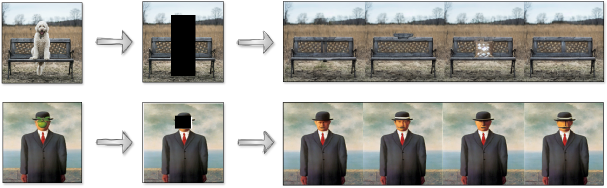
- 사전에 훈련된 GenAI 모델(GPT-2, Stable Diffusion 등)의 훈련 데이터 편향을 활용하여, 모델 데이터셋 전반에서의 빈도에 따라 표현적 요소를 식별하고 순위를 매긴다.
- 모델이 학습한 표현 방식을 활용하여 대규모 기존 저작물 코퍼스에서 통계적으로 흔한 패턴을 식별함으로써 일반성의 징후를 파악한다.
- 빈도 기반 점수를 적용하여 주어진 표현적 요소의 일반성 정도를 정량화한다—높은 빈도는 낮은 원본성과 더 약한 저작권 보호를 의미한다.
- 이러한 일반성 점수를 법적 추론에 통합하여 GenAI 출력물이 보호 대상이 아닌 일반적인 요소와 유사한지 비교함으로써 저작권 침해 여부를 평가한다.
- 이론적 안정성 또는 이진 필터 기반 접근 방식을 피하기 위해, 데이터 기반 편향을 연속적인 원본성 측도로 활용한다.
- GenAI 모델의 출력물을 특정 분야에서 일반적이고 보호 대상이 되지 않는 표현의 문화적 공감대를 반영하는 대리 지표로 사용한다.
실험 결과
연구 질문
- RQ1GenAI 모델을 어떻게 체계적으로 활용하여 저작권 보호 대상 저작물 내 표현적 요소의 일반성을 식별하고 측정할 수 있는가?
- RQ2GenAI 모델 내 데이터 기반 편향이 Scènes à faire 및 아이디어/표현 이분법과 같은 법적 원칙을 신뢰성 있게 대체할 수 있는가?
- RQ3GenAI 출력물에서 유도된 일반성 점수는 저작권 침해 판결의 예측 가능성과 공정성을 향상시킬 수 있는가?
- RQ4이러한 점수는 AI가 생성한 저작물의 등록 절차에서 저작권청의 정책에 어떻게 기여할 수 있는가?
- RQ5GenAI의 저작권 준수를 위해 알고리즘적 안정성 또는 출력 필터링과 같은 이진 솔루션에 의존하는 데에는 어떤 한계가 있는가?
주요 결과
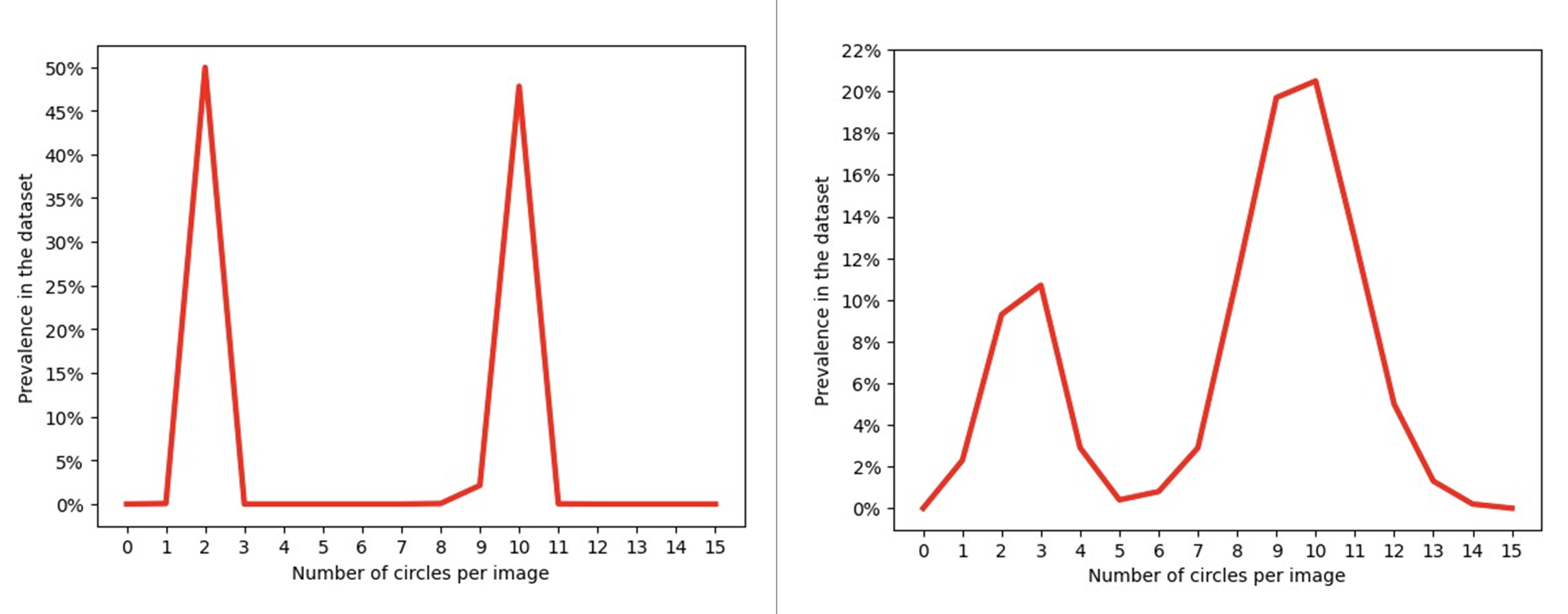
- GenAI 모델은 훈련 데이터 내 표현적 요소의 빈도를 반영하는 데이터 기반 편향을 보이며, 이는 일반적이고 보호 대상이 되지 않는 콘텐츠 식별에 유용하다.
- 훈련 분포 전반에서 높은 빈도를 보이는 요소는 저작권법에 의해 보호될 가능성이 낮으며, 이는 Scènes à faire 원칙과 일치한다.
- 이러한 방법은 이론적 안정성 또는 이진 필터 기반 접근 방식의 단점을 피하며, 보호 대상이 되는 저작물에서 파생된 출력물이라도 침해를 탐지하지 못할 수 있는 문제를 해결한다.
- 일반성 점수는 원본성의 연속적이고 정량적인 측도를 제공하여 사법 결정에 영향을 미치며, 일반적인 표현 패턴의 과도한 보호를 줄일 수 있다.
- 저작권청은 이러한 점수를 활용해 등록 정책을 개선할 수 있으며, 높은 원본성을 지닌 AI 생성 저작물에만 보호를 허용하고 일반적인 출력물은 제외할 수 있다.
- 이러한 접근은 대규모 생성 모델에서 유래한 실증적 데이터를 바탕으로 추상적 법적 원칙을 더 세밀하게 다룰 수 있도록 법적 추론의 정교함을 높인다.
이 논문 읽기
누빈트 뷰어에서 원문을 열고, 읽으면서 궁금한 곳을 바로 물어보세요.
누빈트에서 이 논문 읽기이 리뷰는 AI가 논문 원문을 바탕으로 만들었습니다. 인용하기 전에 원문을 확인해 주세요.