
[Paper Review] Harvard Undergraduate Survey on Generative AI
This study surveys 326 Harvard undergraduates to examine generative AI's impact on academic habits, career planning, and societal concerns. It finds 87.5% use AI regularly, with 25% substituting it for office hours and readings; over half fear AI’s career impact, and 40% treat AI extinction risk as urgent. The paper recommends AI-access programs, AI-aware career services, and new courses on AI’s societal effects.
How has generative AI impacted the experiences of college students? We study the influence of AI on the study habits, class choices, and career prospects of Harvard undergraduates (n=326), finding that almost 90% of students use generative AI. For roughly 25% of these students, AI has begun to substitute for attending office hours and completing required readings. Half of students are concerned that AI will negatively impact their job prospects, and over half of students wish that Harvard had more classes on the future impacts of AI. We also investigate students' outlook on the broader social implications of AI, finding that half of students are worried that AI will increase economic inequality, and 40% believe that extinction risk from AI should be treated as a global priority with the same urgency as pandemics and nuclear war. Around half of students who have taken a class on AI expect AI to exceed human capabilities on almost all tasks within 30 years. We make some recommendations to the Harvard community in light of these results.
Motivation & Objective
- To understand how generative AI is reshaping Harvard undergraduates’ academic behaviors, including study habits, course selection, and career planning.
- To assess students’ concerns about AI’s societal risks, including economic inequality, extinction risk, and labor market disruption.
- To inform university policy by identifying gaps in current academic offerings, mental health support, and career services related to AI.
- To provide actionable recommendations for Harvard and other institutions to better prepare students for an AI-driven future.
Proposed method
- Conducted a campus-wide survey of Harvard College undergraduates, collecting 326 responses filtered via a reading comprehension check to ensure data quality.
- Used descriptive statistics and cross-tabulation to analyze AI usage frequency, substitution of academic activities, and demographic patterns.
- Collected responses on AI’s perceived impact on career prospects, mental health, and societal risks such as inequality and extinction.
- Evaluated student interest in AI-related courses and career support, using Likert-scale and open-ended questions to assess demand and sentiment.
- Proposed policy recommendations based on survey findings, including AI access programs, AI-aware career services, and new interdisciplinary courses.
- Analyzed demographic representativeness of the sample, noting slight overrepresentation of Asian and CS concentrators.
Experimental results
Research questions
- RQ1To what extent are Harvard undergraduates using generative AI in their academic work, and how does usage frequency vary across student groups?
- RQ2How has generative AI affected students’ study habits, including substitution of office hours and required readings?
- RQ3What are students’ perceptions of AI’s impact on their future careers, and how do these views influence course selection?
- RQ4What are students’ concerns about broader societal risks from AI, including economic inequality and extinction?
- RQ5What institutional interventions—such as new courses, mental health support, or AI access—do students believe would best prepare them for an AI-driven future?
Key findings
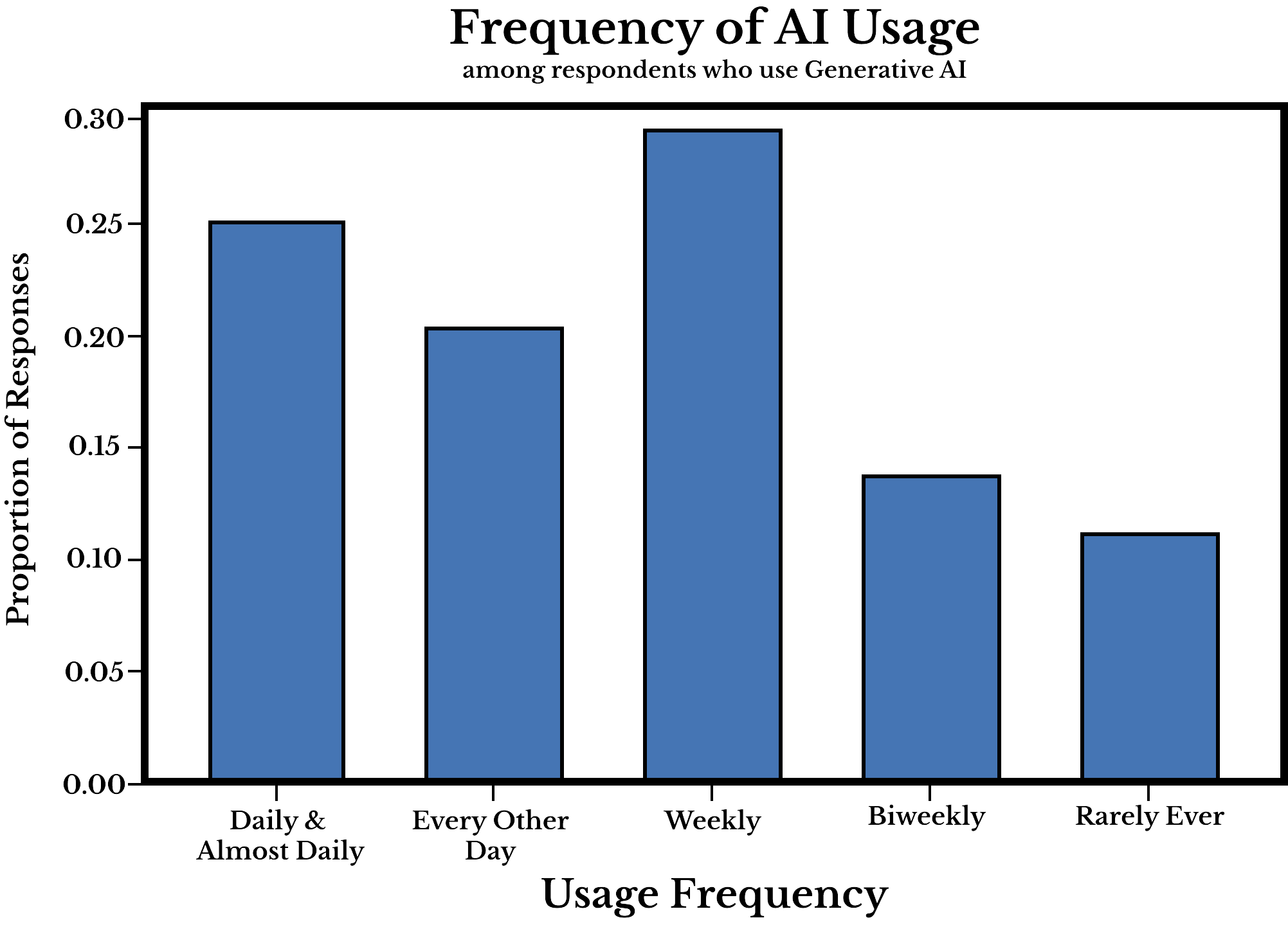
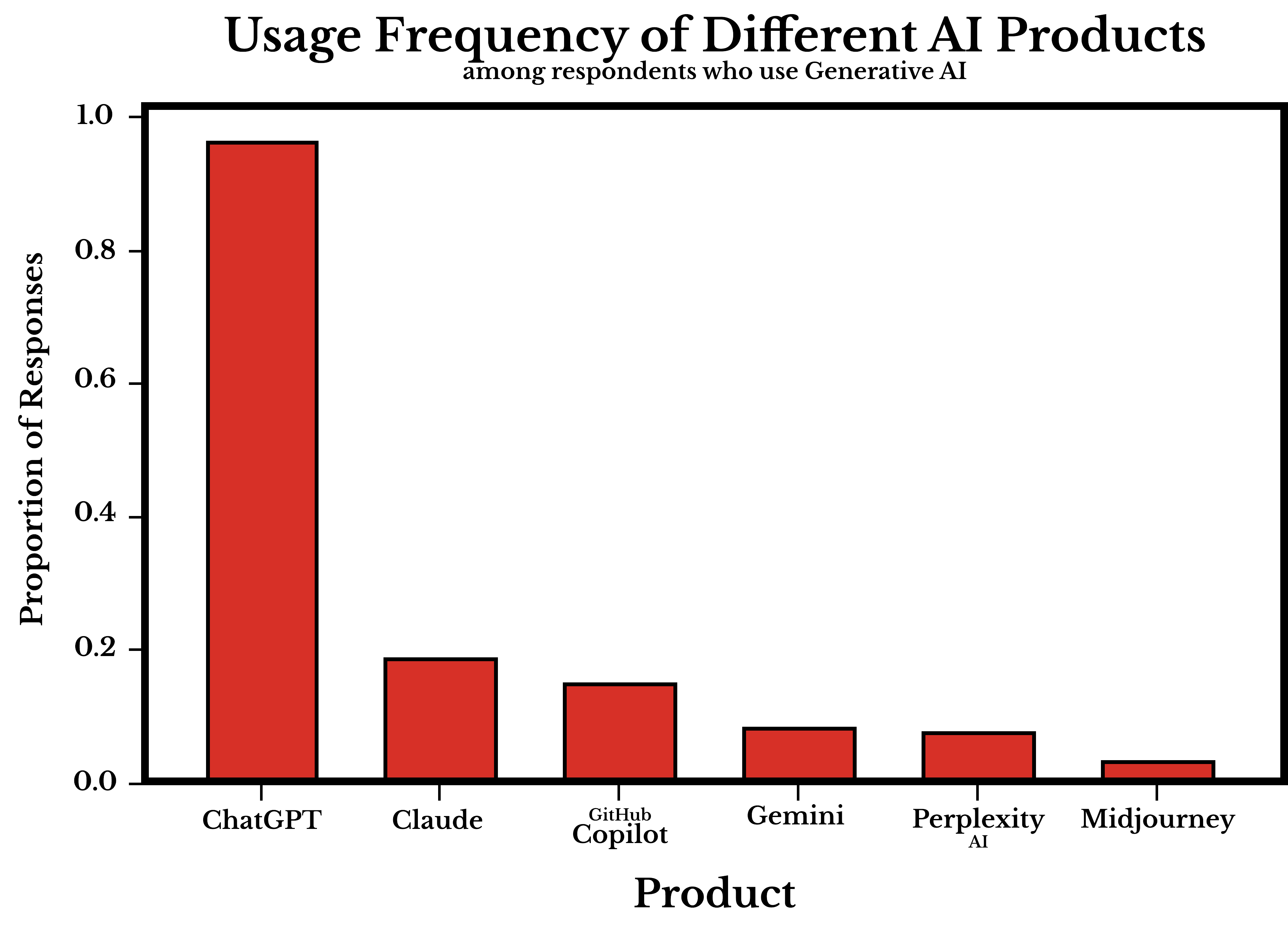
- 87.5% of surveyed Harvard undergraduates use generative AI, with 95% of users reporting regular use of ChatGPT.
- Approximately 25% of AI users have substituted generative AI for attending office hours or completing required readings.
- 50% of students are concerned that AI will negatively impact their job prospects, and over half wish Harvard offered more classes on AI’s future impacts.
- Half of students are worried AI will increase economic inequality, and 40% consider AI extinction risk a global priority on par with pandemics and nuclear war.
- Among students who have taken an AI course, 50% expect AI to exceed human capabilities on almost all tasks within 30 years.
- Over 40% of students expect AI to outperform humans in their lifetimes, raising concerns about meaning and purpose in education.
Better researchstarts right now
From reading papers to final review, dramatically reduce your research time.
No credit card · Free plan available
This review was created by AI and reviewed by human editors.