
[論文レビュー] A Framework To Improve User Story Sets Through Collaboration
本論文では、ユーザー ストーリーから知識グラフを構築し、ヒューリスティクスを適用してリアルタイムの提案を生成することにより、共同でのアジャイル要件工学におけるユーザー ストーリーの完全性を向上させる、SCOUT と呼ばれる共同 NLP フレームワークを提案する。BERT をベースとする NLP パイプラインとウェブベースのインターフェースを活用し、ユーザースタディにより、Google Docs よりも統計的に有意な優位性(p = 0.015)が確認された。
Agile methodologies have become increasingly popular in recent years. Due to its inherent nature, agile methodologies involve stakeholders with a wide range of expertise and require interaction between them, relying on collaboration and customer involvement. Hence, agile methodologies encourage collaboration between all team members so that more efficient and effective processes are maintained. Generating requirements can be challenging, as it requires the participation of multiple stakeholders who describe various aspects of the project and possess a shared understanding of essential concepts. One simple method for capturing requirements using natural language is through user stories, which document the agreed-upon properties of a project. Stakeholders try to strive for completeness while generating user stories, but the final user story set may still be flawed. To address this issue, we propose SCOUT: Supporting Completeness of User Story Sets, which employs a natural language processing pipeline to extract key concepts from user stories and construct a knowledge graph by connecting related terms. The knowledge graph and different heuristics are then utilized to enhance the quality and completeness of the user story sets by generating suggestions for the stakeholders. We perform a user study to evaluate SCOUT and demonstrate its performance in constructing user stories. The quantitative and qualitative results indicate that SCOUT significantly enhance the quality and completeness of the user story sets. Our contribution is threefold. First, we develop heuristics to suggest new concepts to include in user stories by considering both the individuals' and other team members' contributions. Second, we implement an open-source collaborative tool to support writing user stories and ensuring their quality. Third, we share the experimental setup and materials.
研究の動機と目的
- 共同でのアジャイル要件工学における不完全で一貫性のないユーザー ストーリー集合の課題に対処すること。
- ユーザー ストーリー作成中に、リアルタイムで文脈に即した提案を可能にすることで、ステークホルダー間の協働を向上させること。
- 自動的な完全性チェックを通じて要件品質を支援するスケーラブルでオープンソースのツールを開発すること。
- NLP と知識グラフが、実世界のアジャイル環境におけるユーザー ストーリー品質向上に有効であることを実証すること。
- 再現性とコミュニティの採用を支援するため、公開可能なデータセットとソースコードを提供すること。
提案手法
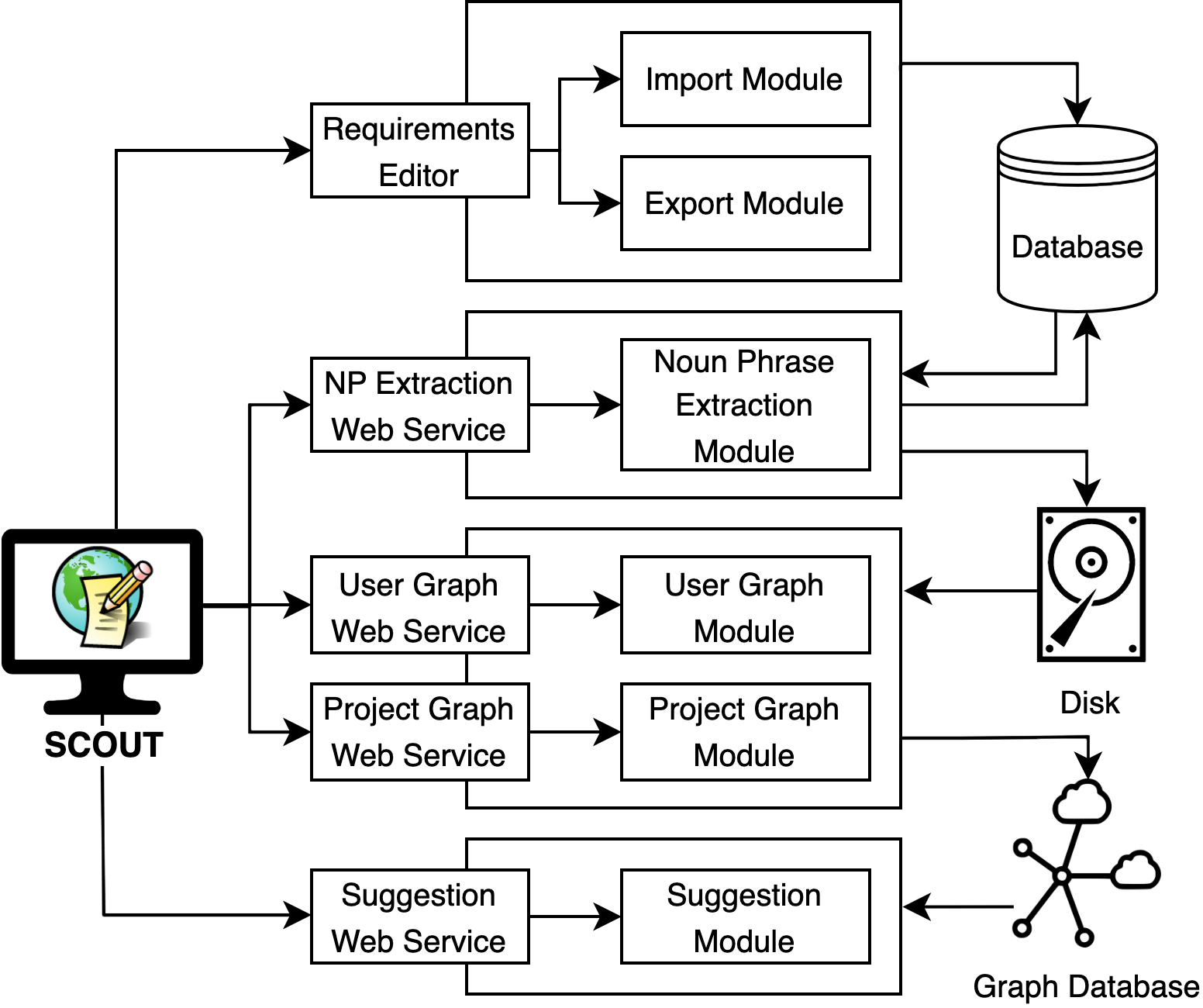
- BERT をベースとする NLP パイプラインを用いて、ユーザー ストーリーから主要な概念と名詞句を抽出する。
- 文の埋め込みを用いて概念間の意味的類似度を計算することで、動的知識グラフを構築する。
- グラフ構造に基づいて、欠落した概念、関係性、および潜在的な重複を特定する複数のヒューリスティクスを適用する。
- リアルタイムの提案配信を可能にする軽量でウェブベースの共同インターフェースにシステムを統合する。
- 共同環境におけるステークホルダー間の通信をシミュレートするため、メッセージブロードキャストメカニズムを実装する。
- SCOUT を Google Docs と比較する制御されたユーザースタディを実施し、完全性および品質メトリクスを測定する。
実験結果
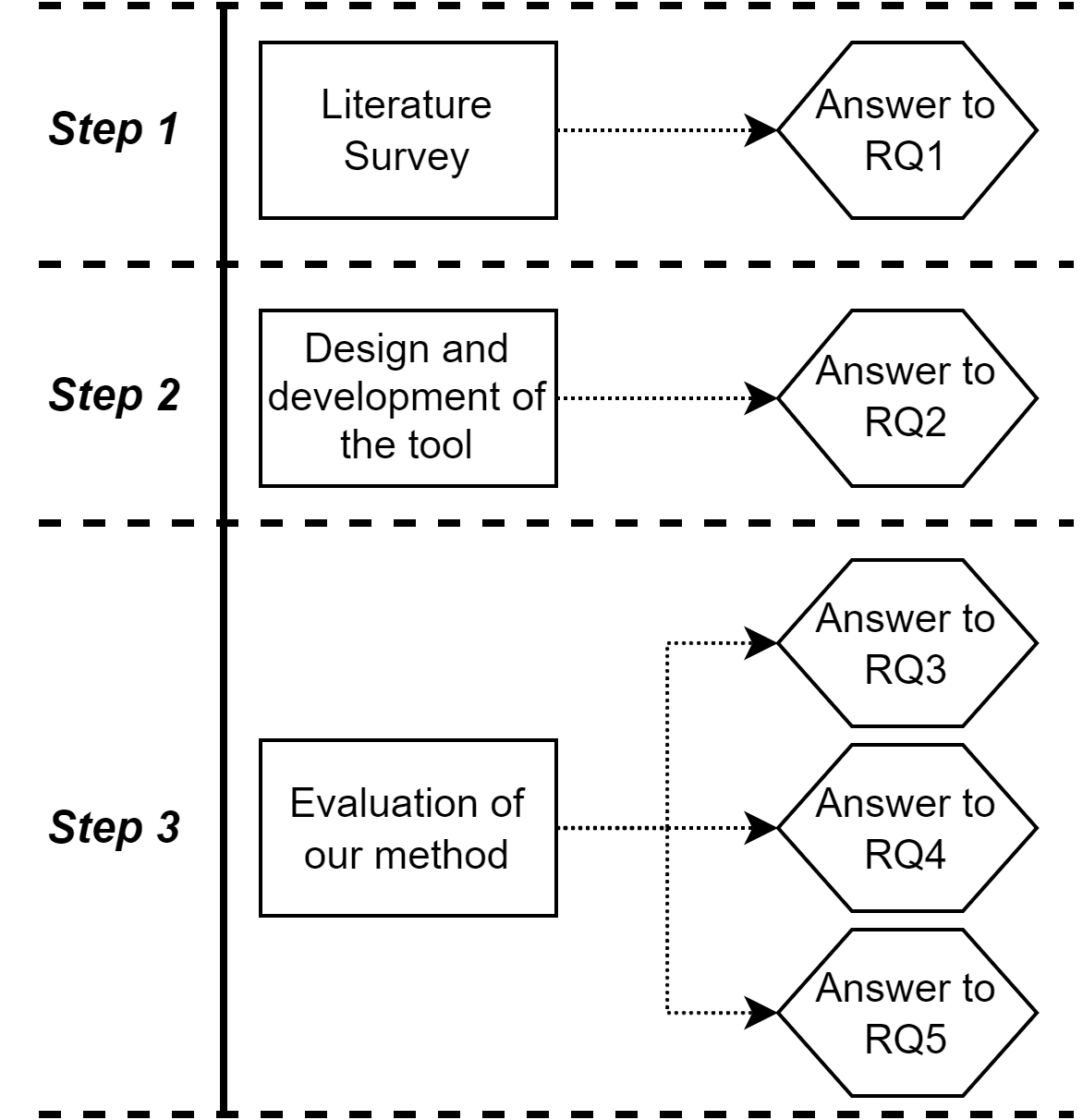
リサーチクエスチョン
- RQ1SCOUT は、従来の共同編集ツールと比較して、どの程度ユーザー ストーリー集合の完全性を向上させるか?
- RQ2NLP ベースの知識グラフとヒューリスティクスは、ユーザー ストーリーにおける欠落または重複する概念をどの程度効果的に同定できるか?
- RQ3ステークホルダーは、共同要件定義の過程でリアルタイムの提案の使いやすさと有用性をどのように評価するか?
- RQ4SCOUT は、一貫性があり完全なユーザー ストーリー集合を達成するための認知的負荷と所要時間を軽減できるか?
- RQ5SCOUT のパフォーマンス向上は、Google Docs のようなベースラインツールと比較して統計的に有意であるか?
主な発見
- SCOUT は、Google Docs と比較してユーザー ストーリーの完全性において統計的に有意な向上を示し、p 値は 0.015 であった。
- SCOUT を使用した参加者たちは、専門家による評価とヒューリスティクスカバレッジの両面で、より概念的に完全なユーザー ストーリー集合を生成した。
- システムのリアルタイム提案は、共同作成の過程でステークホルダーから役立つもので文脈的に関連性があると評価された。
- 知識グラフは、表現が異なる場合でも意味的に関連する概念を正しく同定でき、概念的一致性の向上に寄与した。
- SCOUT のソースコードと実験データのオープンソースリリースにより、再現性とコミュニティによる拡張が可能になった。
- ユーザースタディの結果、SCOUT は手動レビューへの依存を軽減し、要件抽出段階でのチームの整合性を高めることに成功した。
この論文を読む
Nubintのビューアで原文を開き、読みながら気になる箇所をすぐに質問できます。
Nubintでこの論文を読むこのレビューはAIが論文の原文をもとに作成しました。引用する前に原文をご確認ください。